BSc Microbiology with Professional Studies
About this course
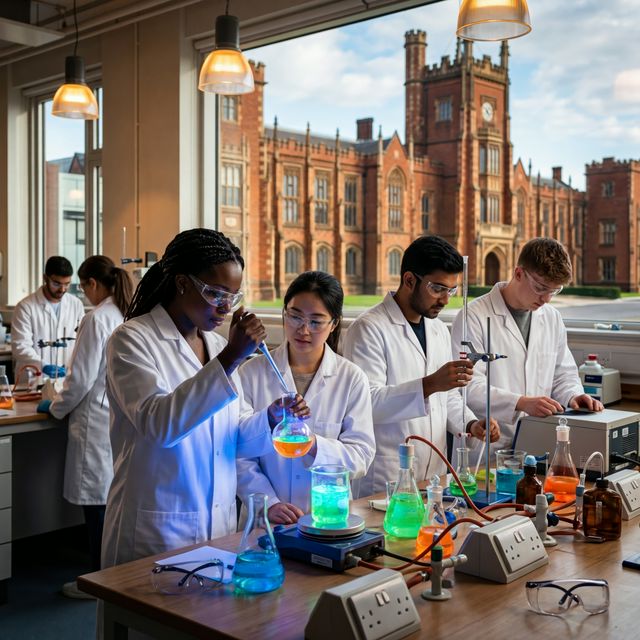
Microbiology is the study of microorganisms, including bacteria, fungi, algae, protozoa, and viruses, and of the central roles they play in the environment, in agriculture and food systems, in biomedical science, and in biotechnology. Microorganisms are the most abundant and metabolically diverse forms of life on Earth, and understanding them is fundamental to almost every branch of the biological sciences. They drive the cycling of carbon, nitrogen, and other nutrients through ecosystems, they are central to the fermentation processes that underlie food and beverage production, and they are responsible for the infectious diseases that remain among the leading causes of illness and death globally. At the same time, microorganisms are the workhorses of biotechnology, producing antibiotics, vaccines, enzymes, biofuels, and a growing range of other products. At Queen's University Belfast this four-year full-time programme includes a Professional Studies component, providing structured professional development and experience alongside the academic degree. You will study the major groups of microorganisms, their biology, ecology, and interactions with other living systems, and develop a thorough understanding of their roles in disease, environmental processes, and industrial applications. Microbiologists at Queen's have access to well-equipped laboratories in a department with strong research connections, and the programme integrates current research findings and techniques into your learning throughout. You will develop practical laboratory skills alongside your theoretical knowledge, graduating with the experimental competence that professional and research roles require. Microbiology graduates find careers across a wide range of sectors. The pharmaceutical and biomedical industries, clinical diagnostics, public health and infection control, agricultural science, food safety, environmental science, and academic research are among the most common destinations. The professional studies component adds practical credibility and industry awareness. Many graduates also continue to postgraduate study in microbiology, infectious disease, biotechnology, or related life sciences, contributing to research that has direct implications for health, food security, and environmental sustainability.
Syllabus & Modules
Typical curriculumStudent Satisfaction
National Student Survey - 10 respondents (79% response rate)
Similarly Ranked Alternatives

What comes next? 🎓
Choosing the right university starts with choosing the right school. Explore transparent, data-driven school profiles powered by official DfE statistics.
Explore Schools on WhatSchool.ai →