MSci Microbiology
About this course
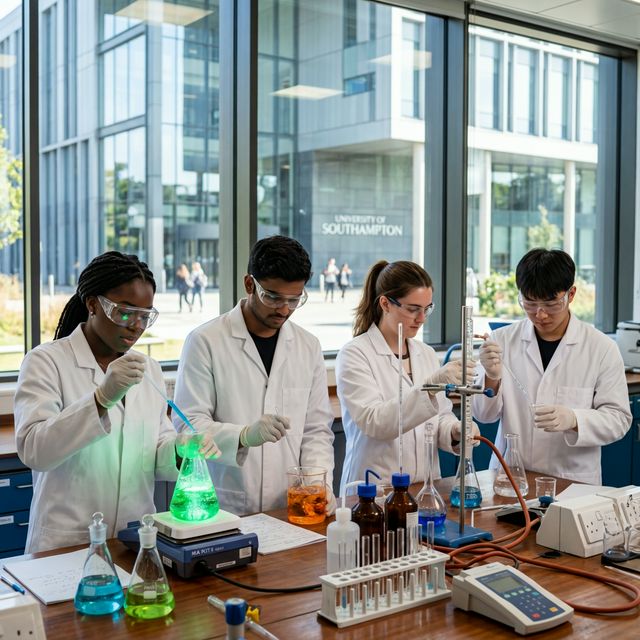
Microbiology is the study of life at its smallest scale, examining the bacteria, viruses, fungi, archaea and other microorganisms that are invisible to the naked eye but are fundamental to life on Earth. Microbes exist everywhere, from the soil and the oceans to the human gut, and they are involved in processes ranging from the cycling of nutrients in ecosystems to the causation and prevention of infectious disease. Microbiology impacts all aspects of our lives and the world around us, from antimicrobial resistance and the development of new medicines to food security and the response to the climate crisis. At the University of Southampton, this four-year full-time MSci programme gives you a thorough and extended education in the discipline, covering microbial genetics, cell biology, virology, immunology, environmental microbiology, biotechnology and the molecular mechanisms of microbial pathogenesis. You will develop strong laboratory skills alongside your theoretical understanding, learning to culture and characterise microorganisms, work with DNA and proteins, analyse microbial communities in environmental samples and interpret experimental data critically. The MSci format means you study to a depth appropriate for those planning research or professional careers that require advanced scientific competence. Graduates in microbiology move into careers in the pharmaceutical and biotechnology industries, clinical microbiology and infection control in healthcare, food science and quality assurance, environmental monitoring, agricultural biotechnology and academic research. The growing urgency of challenges such as antimicrobial resistance and emerging infectious disease has increased demand for microbiologists with serious research training. Many graduates go on to postgraduate study, including doctoral research, where the depth of the MSci degree provides excellent preparation. The field is expanding as our understanding of the microbiome and microbial ecology deepens, and professionals with this training are in increasing demand.
Syllabus & Modules
Typical curriculumStudent Satisfaction
National Student Survey - 235 respondents (72% response rate)
Similarly Ranked Alternatives



What comes next? 🎓
Choosing the right university starts with choosing the right school. Explore transparent, data-driven school profiles powered by official DfE statistics.
Explore Schools on WhatSchool.ai →