BA Contemporary Craft and Musical Theatre (With Foundation Year)
About this course
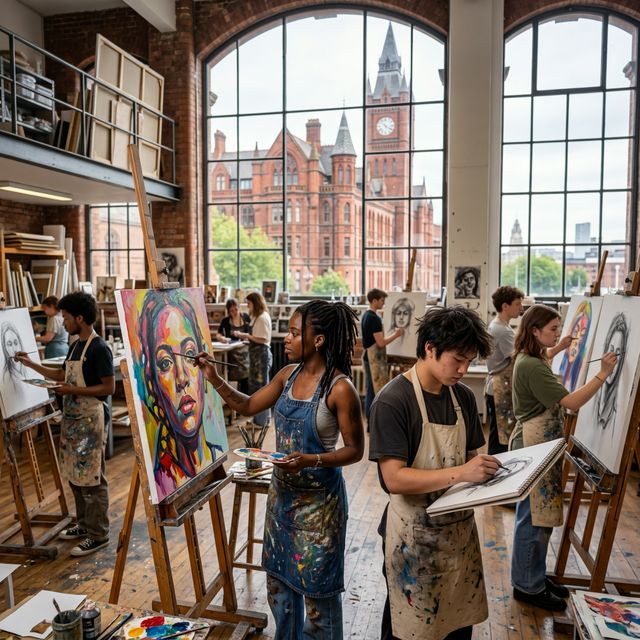
Contemporary craft combined with musical theatre brings together two practice-based disciplines that share a concern with creative expression, skilled making and communicating with audiences. Contemporary craft focuses on hands-on design and making across a range of materials and techniques, developing both the physical skills of the maker and the conceptual thinking that gives craft work its meaning and direction. Musical theatre encompasses performance, singing, dance, acting and the production of musical stage works, drawing on a tradition that stretches from classic Broadway and West End repertoire to contemporary devised and site-specific performance. At Liverpool Hope University you will study this combination over four years of full-time study, with an integrated foundation year that builds the creative and academic foundations for both disciplines before the main degree begins. The craft strand aims to develop you as a maker within a supportive community of emerging designers and craftspeople, encouraging you towards specialised work, innovative projects and a clear creative identity. The musical theatre strand develops your performance skills alongside knowledge of the history, theory and production dimensions of the form. A sandwich year and the opportunity for a year abroad add professional and intercultural dimensions to your formation, and work placement is integrated into the programme structure. The typical tariff of 120 reflects a programme that welcomes students with genuine creative motivation and the commitment to develop their practice across two demanding disciplines. Graduates of this kind of combined programme develop versatile creative careers. Craft graduates work as professional makers, designers, studio artists, educators and arts administrators. Musical theatre graduates pursue performance careers on stage, in touring productions and in commercial and subsidised theatre, alongside roles in choreography, direction, community arts and arts education. Many graduates develop portfolio careers that draw on skills from both disciplines, working in arts education, therapeutic practice, community performance projects or interdisciplinary creative environments. Postgraduate study in either discipline provides routes into higher-level practice or research.
Syllabus & Modules
Typical curriculumStudent Satisfaction
National Student Survey - 60 respondents (80% response rate)
Similarly Ranked Alternatives

What comes next? 🎓
Choosing the right university starts with choosing the right school. Explore transparent, data-driven school profiles powered by official DfE statistics.
Explore Schools on WhatSchool.ai →