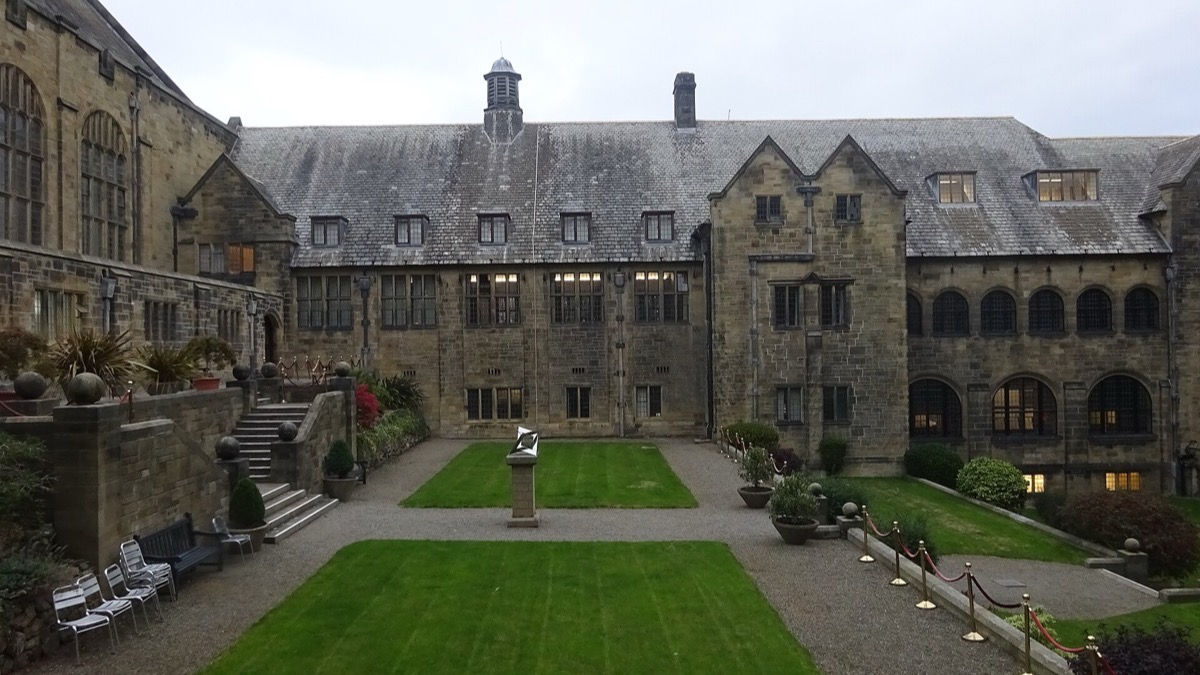
BA Music And Modern Languages
About this course
Music and modern languages is a combination that rewards students drawn to both the structured discipline of musical study and the cultural and communicative richness of language learning. Music develops your ear, your analytical thinking, and your understanding of how sound and structure create meaning and feeling across centuries and traditions. Modern languages equip you to engage with cultures in their own terms, developing fluency and cultural insight that deepen your understanding of the world. Together, the two subjects open a wide set of intellectual and creative doors. At Bangor University you will study both subjects across a four-year full-time programme that begins with a foundation year, giving you a thorough grounding before you progress into the main degree. The foundation year is designed to build your confidence and academic skills across both disciplines, ensuring you are well prepared for the demands of degree-level study. A sandwich year is also incorporated into the programme, providing the opportunity for professional work experience, and a work placement is built into the degree alongside this. You will develop practical musicianship alongside theoretical and analytical skills, and build your language abilities in reading, writing, speaking, and listening while engaging with the literature and culture of your chosen language or languages. Graduates from music and modern languages programmes pursue careers across a genuinely wide range of fields. Teaching, both in music and modern languages, is a common and valued route. Others move into the performing arts, music management, arts administration, and cultural organisations, while the language skills open paths in international business, translation, journalism, and the public sector. The combination is also well suited to further study, whether in musicology, linguistics, or cultural studies, and many graduates continue to postgraduate work that deepens their expertise in one or both disciplines.
Syllabus & Modules
Typical curriculumStudent Satisfaction
National Student Survey - 25 respondents (79% response rate)
Similarly Ranked Alternatives

What comes next? 🎓
Choosing the right university starts with choosing the right school. Explore transparent, data-driven school profiles powered by official DfE statistics.
Explore Schools on WhatSchool.ai →