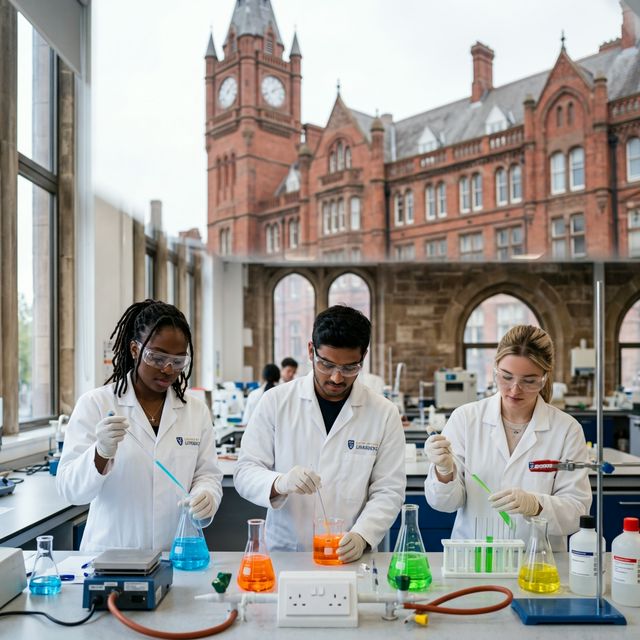
BSc Microbiology and Infection
About this course
Microbiology and infection is a discipline at the heart of understanding how microorganisms, including bacteria, viruses, fungi, and parasites, interact with living hosts and how those interactions lead to disease, immunity, or tolerance. It is a field of permanent and urgent relevance, as the dynamics of infectious disease, antimicrobial resistance, and emerging pathogens continue to shape human health at every scale from individual to global. Microbiology also has vital applications in industrial biotechnology, food production, environmental science, and pharmaceutical manufacturing. At the University of Liverpool, this three-year full-time programme includes a year abroad, giving you experience in a different research or academic environment and the opportunity to engage with infection science in a broader international context. Liverpool has an exceptional tradition in tropical medicine and infectious disease research, including the Liverpool School of Tropical Medicine as a nearby affiliated institution, which gives the infectious disease content a particular depth and clinical relevance. You will develop laboratory skills in microbiology and molecular biology alongside theoretical understanding of pathogen biology, host-pathogen interactions, epidemiology, and the mechanisms of antimicrobial resistance. Graduates of microbiology and infection programmes work in clinical microbiology laboratories, public health agencies, pharmaceutical and biotechnology companies, food science, environmental monitoring, research institutes, and academic science. The current global emphasis on pandemic preparedness, antimicrobial resistance, and vaccine development creates specific demand for graduates with infection biology expertise. Further study at master's or PhD level in microbiology, virology, infectious disease, or global health is a common route for those wishing to pursue research or specialist professional roles.
Syllabus & Modules
Typical curriculumStudent Satisfaction
National Student Survey - 10 respondents (80% response rate)
Similarly Ranked Alternatives


What comes next? 🎓
Choosing the right university starts with choosing the right school. Explore transparent, data-driven school profiles powered by official DfE statistics.
Explore Schools on WhatSchool.ai →