BSc Medical Physiology with a Modern Language
About this course
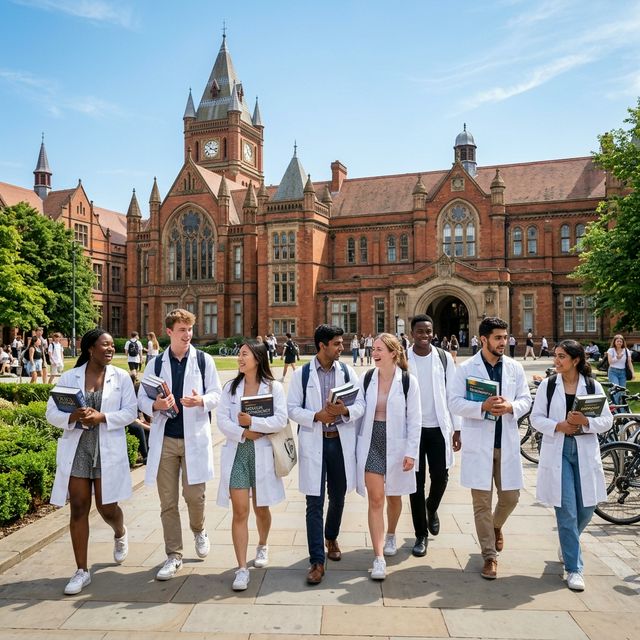
Medical Physiology with a Modern Language is a distinctive degree that combines rigorous biomedical science with linguistic and cultural competence, preparing you for careers at the intersection of science, healthcare, and international communication. Medical physiology is the scientific study of how the human body's systems function in health and disease. It encompasses cardiovascular, respiratory, neurological, endocrine, renal, and digestive physiology, drawing on cell biology, biochemistry, and anatomy to build a detailed understanding of how the body maintains equilibrium and responds to challenge. Pairing this with a modern language gives you an additional dimension that is increasingly valuable in biomedical research, international healthcare, and the pharmaceutical and biotechnology industries. At the University of Manchester, this four-year full-time programme includes a foundation year and a sandwich year with work placement, providing a structured introduction to both the scientific and linguistic elements of the degree and an opportunity to gain professional experience before your final year. You will study physiology in depth, developing laboratory skills and the ability to evaluate and communicate scientific evidence. The modern language strand develops your reading, writing, and spoken competence alongside cultural knowledge that situates your linguistic skills in their social and historical context. Manchester has strong research provision in biomedical sciences and in modern languages, and the programme benefits from both. The combination of scientific training and language competence opens doors that neither qualification alone would provide. You will be able to engage with international scientific literature in your chosen language, to work in multinational healthcare or research environments, and to communicate across language boundaries in professional contexts. Graduates pursue careers in biomedical research, pharmaceutical and biotechnology companies, clinical support roles, science communication, and health policy. Many go on to postgraduate study in physiology, pharmacology, or clinical research, and some pursue professional qualifications in healthcare or science management.
Syllabus & Modules
Typical curriculumStudent Satisfaction
National Student Survey - 25 respondents (96% response rate)
Similarly Ranked Alternatives



What comes next? 🎓
Choosing the right university starts with choosing the right school. Explore transparent, data-driven school profiles powered by official DfE statistics.
Explore Schools on WhatSchool.ai →