High Drop-out Rate Alert
25% of students drop out or transfer from this specific course. Consider asking why on an open day.
BA Journalism
About this course
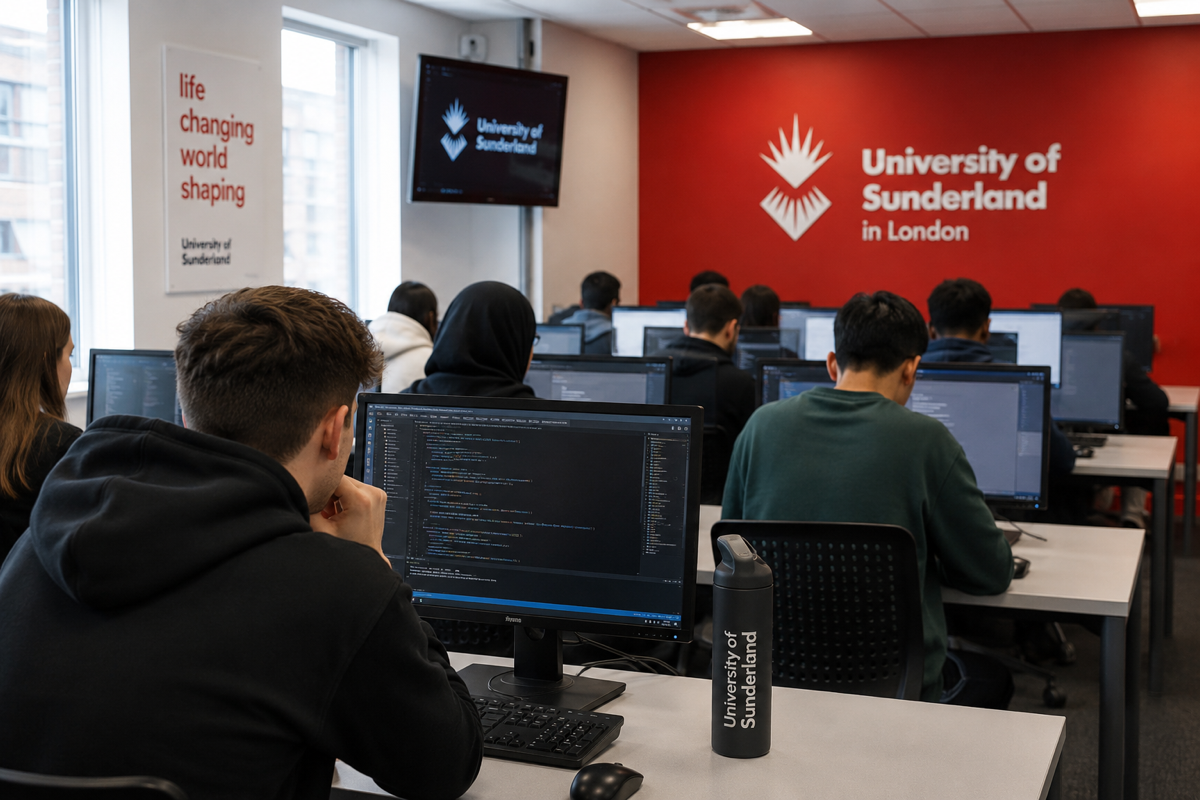
Journalism is the practice of gathering information, verifying facts, and communicating news and stories to public audiences in ways that are accurate, fair, and in the public interest. It is central to how democratic societies function, providing citizens with the information they need and holding power to account. The craft requires a combination of curiosity, scepticism, writing skill, the ability to work quickly under pressure, and the ethical judgement to navigate difficult decisions about what to report and how. In the digital era, journalists also need to be able to work across multiple formats and platforms, from print and online to radio and social media. At the University of Sunderland, this three-year full-time journalism degree gives you the opportunity to be a journalist from day one, working for the university's award-winning radio station and websites through its mediaHUB facility and covering news, sport, fashion, arts, and entertainment. You will develop essential journalism skills and produce content for print and online platforms, working in a production environment that mirrors professional newsroom practice. The degree incorporates the National Council for the Training of Journalists (NCTJ) diploma, which is the professional journalism qualification most widely recognised by UK employers. A year abroad option is incorporated into the programme, providing international perspective for those who want it. Journalism graduates from programmes with NCTJ accreditation are well placed for roles in newspapers, magazines, digital news outlets, radio, and television, where the professional qualification is actively sought by employers. Many graduates move into reporting, sub-editing, broadcast production, and digital content roles across the full range of media organisations. Others move into public relations, communications, content strategy, and media management. The combination of writing, research, and storytelling skills developed by journalism training is also valued in advocacy, policy, education, and the creative industries. Postgraduate study is an option for those who want to specialise further. The typical entry tariff is 104 points.
Syllabus & Modules
Typical curriculumStudent Satisfaction
National Student Survey - 25 respondents (80% response rate)
Similarly Ranked Alternatives



What comes next? 🎓
Choosing the right university starts with choosing the right school. Explore transparent, data-driven school profiles powered by official DfE statistics.
Explore Schools on WhatSchool.ai →