BSc Foundation to Therapeutic Radiography and Oncology (Year 0)
About this course
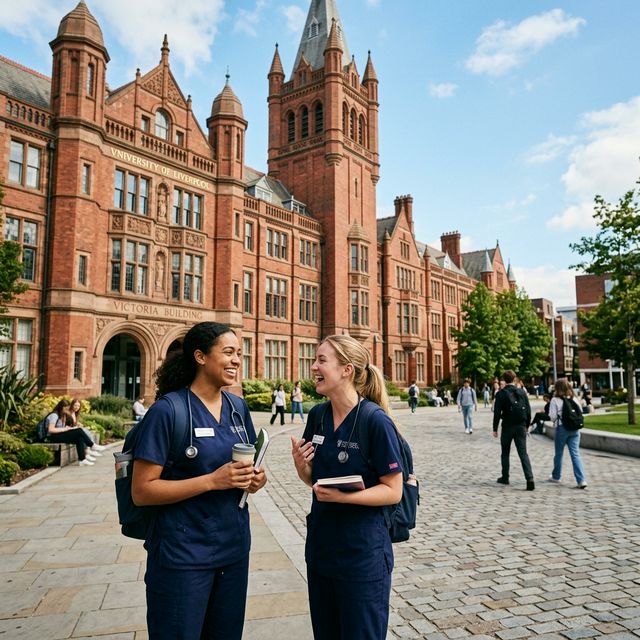
Therapeutic radiography and oncology is a clinical allied health profession concerned with planning and delivering radiotherapy, which is one of the main treatments for cancer. Therapeutic radiographers work in hospital radiotherapy departments alongside clinical oncologists, medical physicists, and other healthcare professionals, operating the complex imaging and treatment equipment used to target tumours with precision while minimising damage to surrounding healthy tissue. The role combines technical expertise with genuine patient care, as therapeutic radiographers often build relationships with patients over the course of a treatment programme that may last several weeks. At the University of Liverpool, this programme begins with a foundation year (Year 0), giving you a four-year full-time route into the degree that starts with additional preparation in the sciences before progressing into the clinical and academic content of the therapeutic radiography degree. The foundation year is designed for students who have the motivation and potential to succeed in a health science programme but whose prior qualifications in science subjects benefit from bridging preparation. The degree also includes a year abroad, which is an unusual feature for a clinical programme, reflecting Liverpool's international connections and giving you exposure to radiotherapy practice in a different healthcare system. You will study anatomy and physiology, radiation physics, tumour biology, treatment planning, imaging technology, patient care, and the clinical and ethical frameworks that govern oncology practice. Clinical placements in NHS radiotherapy departments are a core part of your training, giving you supervised experience of real patient treatment throughout the degree. Graduates register with the Health and Care Professions Council as therapeutic radiographers and work in NHS and private cancer treatment centres. The profession offers strong employment prospects and opportunities for specialisation and advancement within oncology practice.
Syllabus & Modules
Typical curriculumStudent Satisfaction
National Student Survey - 40 respondents (73% response rate)
Similarly Ranked Alternatives


What comes next? 🎓
Choosing the right university starts with choosing the right school. Explore transparent, data-driven school profiles powered by official DfE statistics.
Explore Schools on WhatSchool.ai →