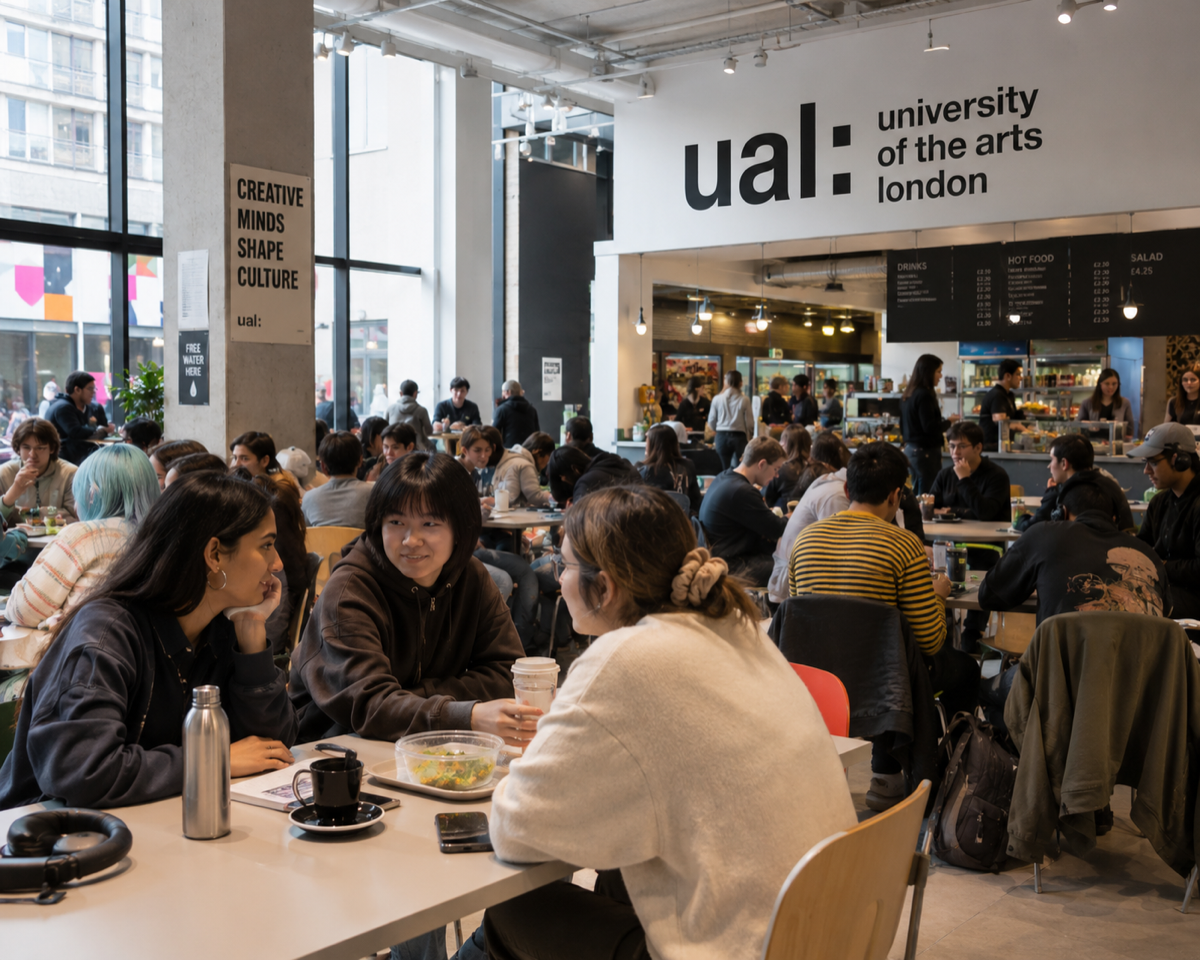
BA Fine Art
About this course
Fine art at degree level is not a vocational training programme but an invitation to develop an independent artistic practice, to think rigorously about what you make and why, and to situate your work within the broader contexts of contemporary art and its histories. It asks more of you than technical skill: it demands intellectual seriousness, the willingness to take risks, the capacity to articulate what your work is doing, and the resilience to revise and experiment in response to critical feedback. A fine art degree is less about being taught what to make than about creating the conditions in which you discover what you need to make. At Chelsea College of Arts, part of the University of the Arts London, this three-year full-time programme is built around experimental thinking and the culture of making things happen. You will develop your own independent art practice across the full range of media and approaches available in a major contemporary art college, from painting and sculpture to photography, video, installation, performance, and digital work. Critical and contextual studies are woven through the programme, developing your ability to understand your practice in relation to art history, critical theory, and the social world your work inhabits. A sandwich year gives you a sustained period of professional engagement with the art world beyond the college, and work placement experience is embedded throughout. Graduates from fine art programmes at institutions with the standing of UAL pursue careers as practising artists, often sustaining their practice alongside employment in teaching, community arts, arts administration, curation, and arts writing. The creative and critical skills developed during a fine art degree are also valued in design, advertising, film, and the broader creative economy. Postgraduate study in fine art, curatorial practice, and art history is pursued by many graduates who wish to develop their practice or move into research and critical writing.
Syllabus & Modules
Typical curriculumStudent Satisfaction
National Student Survey - 450 respondents (78% response rate)
Similarly Ranked Alternatives

What comes next? 🎓
Choosing the right university starts with choosing the right school. Explore transparent, data-driven school profiles powered by official DfE statistics.
Explore Schools on WhatSchool.ai →