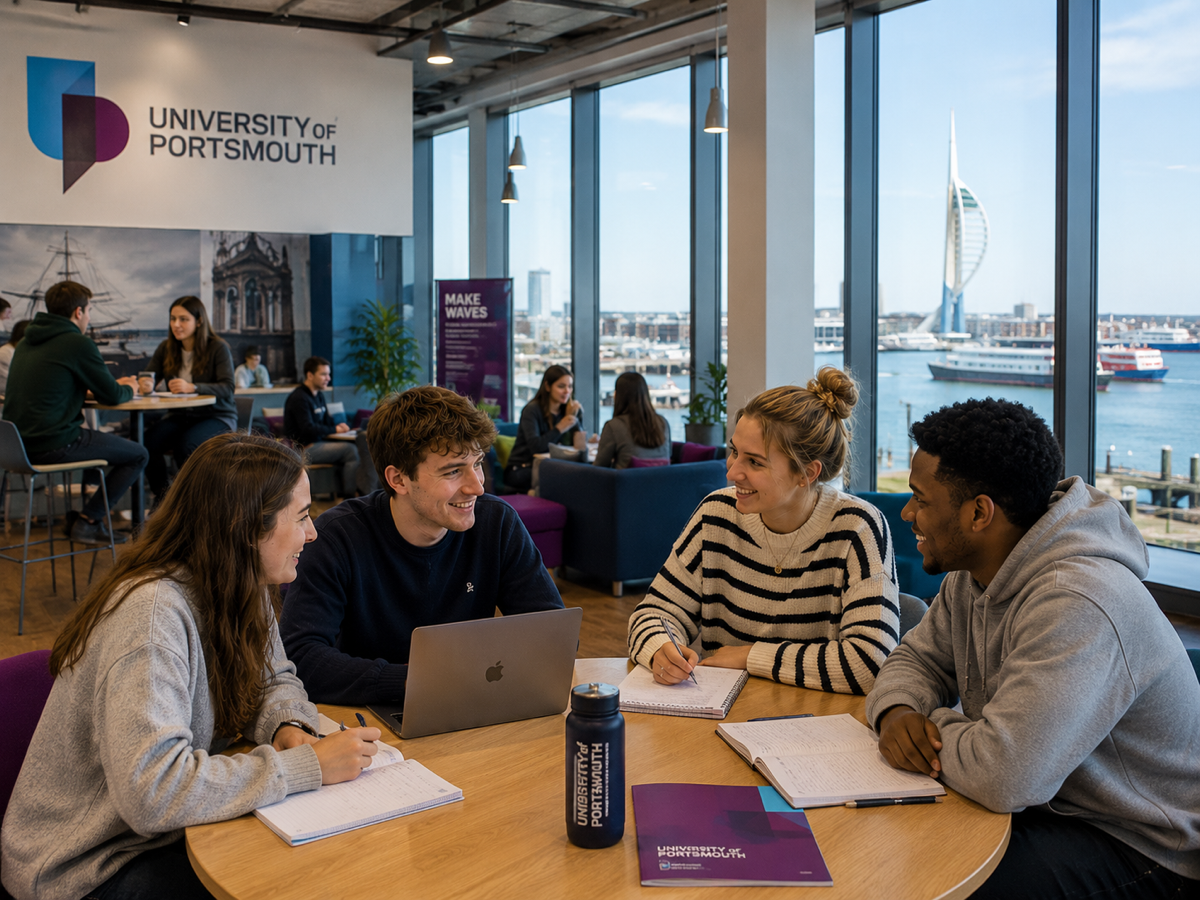
BA Childhood and Youth Studies with Psychology
About this course
Childhood and youth studies with psychology brings together two disciplines that each try, from different angles, to understand the journey from infancy through to early adulthood. Childhood and youth studies draws on sociology, education, policy and cultural theory to examine the social structures and institutions that shape young people's lives. Psychology contributes knowledge of cognitive development, attachment, identity formation, mental health and behaviour. Together they provide a comprehensive framework for understanding why young people develop as they do, and what helps or hinders that process. At the University of Portsmouth you will study a three-year full-time programme that explores the biological and social factors shaping young people's development from multiple perspectives. You will examine how family, school, peer groups, media and policy affect children's experiences, and draw on psychological theory to understand the internal dimensions of that journey: how young people think, form relationships, regulate emotion and construct identity. The programme includes a sandwich year and opportunities for a year abroad, both of which add valuable professional and intercultural experience to your studies. Work placement is integrated into the programme, giving you direct contact with children and young people in real-world settings, whether in schools, youth services, social care or community organisations. The typical tariff is 120 and the programme is delivered full time. Graduates are well prepared for careers in education, youth work, social care, family support services, safeguarding and community development. Many go on to teacher training, social work qualifications, educational psychology postgraduate programmes or counselling training. The combination of sociological awareness and psychological insight is valued by employers across the children's workforce, from early years settings to youth justice. If you are drawn to working with young people and want to understand them more deeply, this programme builds both the knowledge and the professional dispositions that effective practice requires.
Syllabus & Modules
Typical curriculumStudent Satisfaction
National Student Survey - 10 respondents (73% response rate)
Similarly Ranked Alternatives

What comes next? 🎓
Choosing the right university starts with choosing the right school. Explore transparent, data-driven school profiles powered by official DfE statistics.
Explore Schools on WhatSchool.ai →