
BEng Architecture and Environmental Engineering
About this course
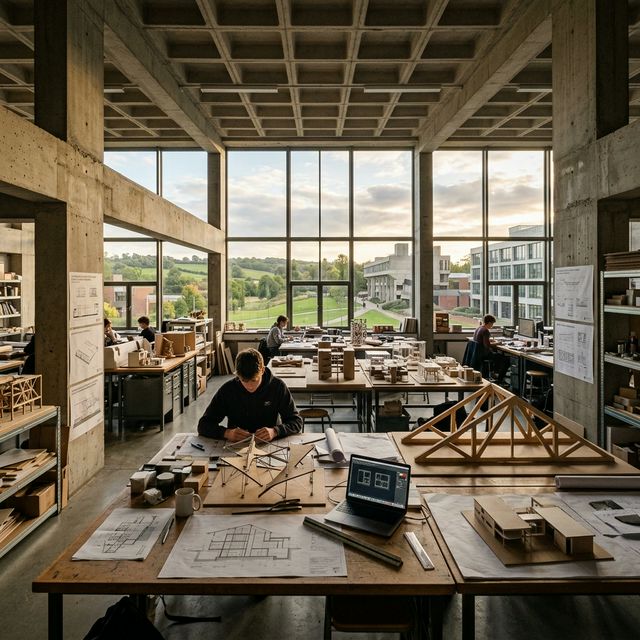
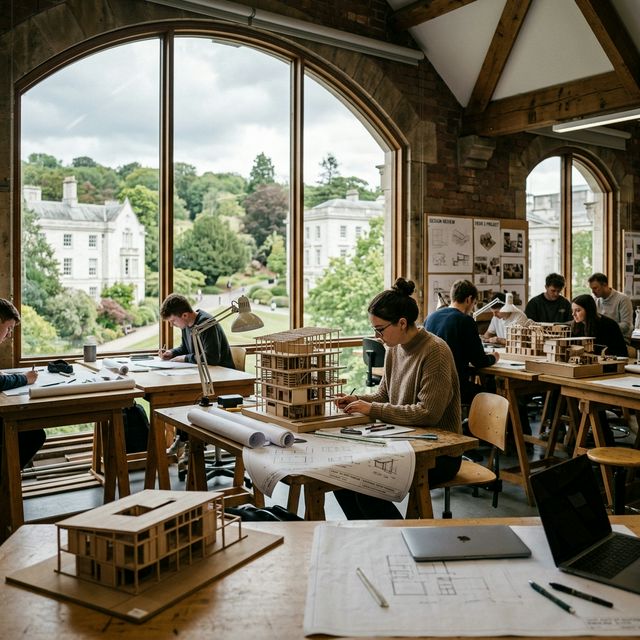
Architecture and environmental engineering together address one of the defining challenges of the built environment: how to create spaces that are not only functional and beautiful but also low-carbon, healthy and sustainable. Architecture brings spatial thinking, design intelligence and an understanding of how buildings relate to human experience and cultural meaning. Environmental engineering contributes expertise in building physics, energy systems, ventilation, daylighting and the quantitative analysis of how buildings perform. Together they form a discipline uniquely equipped to design buildings that genuinely work for both people and planet. This three-year full-time programme at the University of the West of England, Bristol integrates architectural design with environmental engineering principles from the start. You will develop design skills alongside a rigorous grounding in the technical and scientific dimensions of building performance, learning to make decisions that balance aesthetics, function and environmental responsibility. The programme is structured around a strong commitment to sustainable, high-performing buildings, reflecting the urgency of reducing the carbon footprint of the built environment. The course holds dual accreditation from RIBA and CIBSE, meaning that the qualification is recognised by the professional bodies for both architecture and building services engineering, a distinctive feature that significantly broadens your career options. Studying this combination gives you a perspective on buildings that neither architecture nor engineering alone can provide. You will understand structural and environmental performance, but you will also understand the human and cultural dimensions of space. This integrative habit of thinking is increasingly valued in a construction and property sector that must decarbonise rapidly while continuing to meet genuine human needs. Graduates from this programme are well placed for careers in architectural practice, environmental services engineering, sustainability consultancy, building performance analysis, and roles in construction management and property development. Many go on to further professional qualifications in architecture, engineering or sustainability, with the dual accreditation making a range of postgraduate pathways accessible.
Syllabus & Modules
Typical curriculumStudent Satisfaction
National Student Survey - 10 respondents (85% response rate)
Similarly Ranked Alternatives

What comes next? 🎓
Choosing the right university starts with choosing the right school. Explore transparent, data-driven school profiles powered by official DfE statistics.
Explore Schools on WhatSchool.ai →