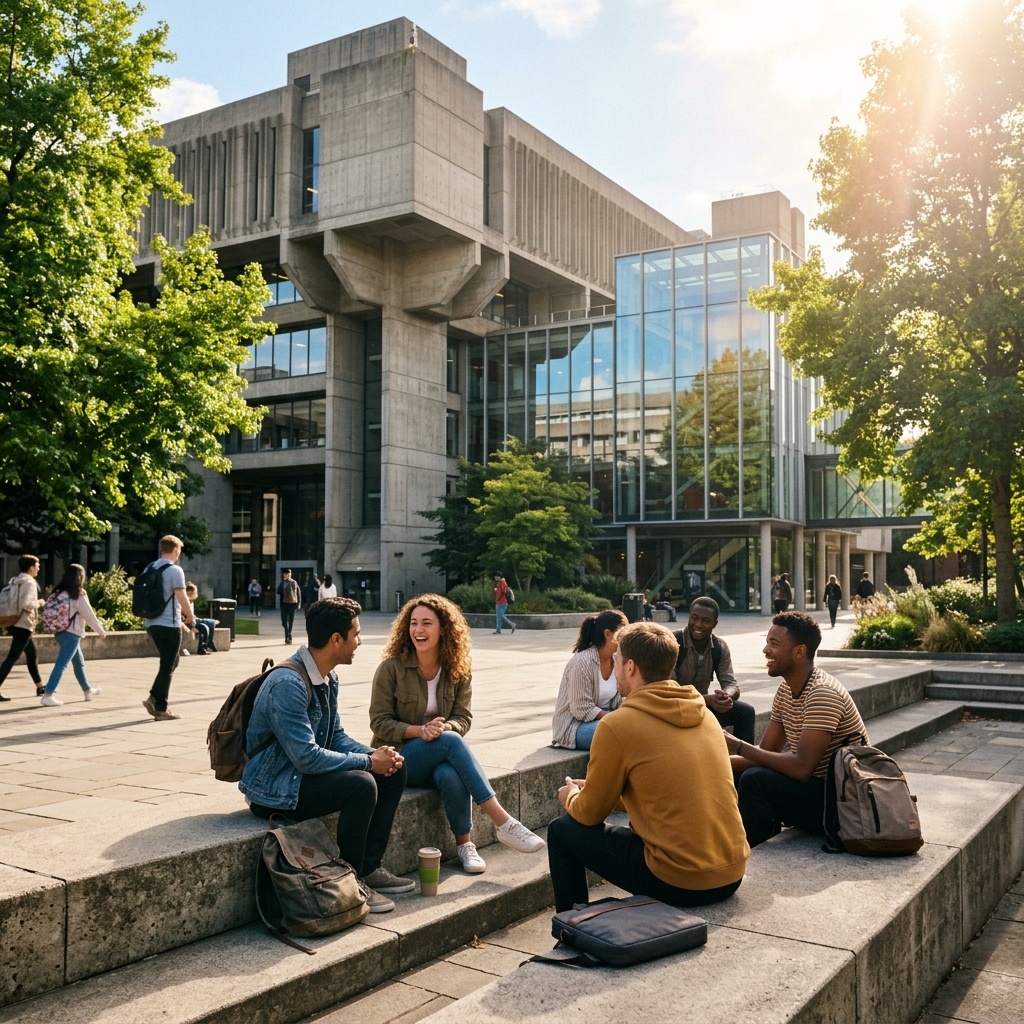
BSc Sports Performance and Coaching
About this course
Sports performance and coaching is a degree that brings together the science of human performance and the art and skill of coaching athletes and teams towards their goals. Understanding what makes athletes perform at their best requires knowledge of exercise physiology, biomechanics, sport psychology, and nutrition, as well as an appreciation of how these dimensions interact in the complex reality of training and competition. Coaching adds a practical and interpersonal dimension, concerned with how athletes develop their skills and capabilities over time, how teams are built and managed, how performance is planned and monitored, and how the coach-athlete relationship is built and sustained effectively. At the University of Essex, you will study sports performance and coaching over three years of full-time study. The curriculum covers the physiological foundations of human performance, including energy systems, cardiovascular and respiratory function, and the adaptations that training produces in the body. Biomechanics and movement analysis give you tools for understanding technique and reducing injury risk. Sport psychology addresses mental skills, motivation, stress management, and the psychological demands of high-level competition. Coaching theory and practice run throughout the programme, developing your understanding of effective coaching models, pedagogical approaches, session design, and performance analysis. You will have opportunities to apply your coaching skills in practical settings, developing the professional competence that employers and athletes expect. Graduates from sports performance and coaching programmes enter careers across the sports and leisure sector. Working as a coach, at community, regional, or elite level, is the most direct application of the degree, and graduates work across a wide range of sports from grassroots programmes to professional and national performance environments. Sports science support roles, including strength and conditioning, performance analysis, and sport psychology support, are further options. Sport development roles in national governing bodies, local authorities, and sport development organisations draw on graduates with this background. Teaching physical education at secondary level, combined with a teaching qualification, is another route. Postgraduate study in sport science, coaching, sport psychology, or strength and conditioning is available for those who want to develop their expertise in a particular area.
Syllabus & Modules
Typical curriculumStudent Satisfaction
National Student Survey - 10 respondents (92% response rate)
Similarly Ranked Alternatives
What comes next? 🎓
Choosing the right university starts with choosing the right school. Explore transparent, data-driven school profiles powered by official DfE statistics.
Explore Schools on WhatSchool.ai →