High Drop-out Rate Alert
35% of students drop out or transfer from this specific course. Consider asking why on an open day.
BSc Sport Rehabilitation and Conditioning
About this course
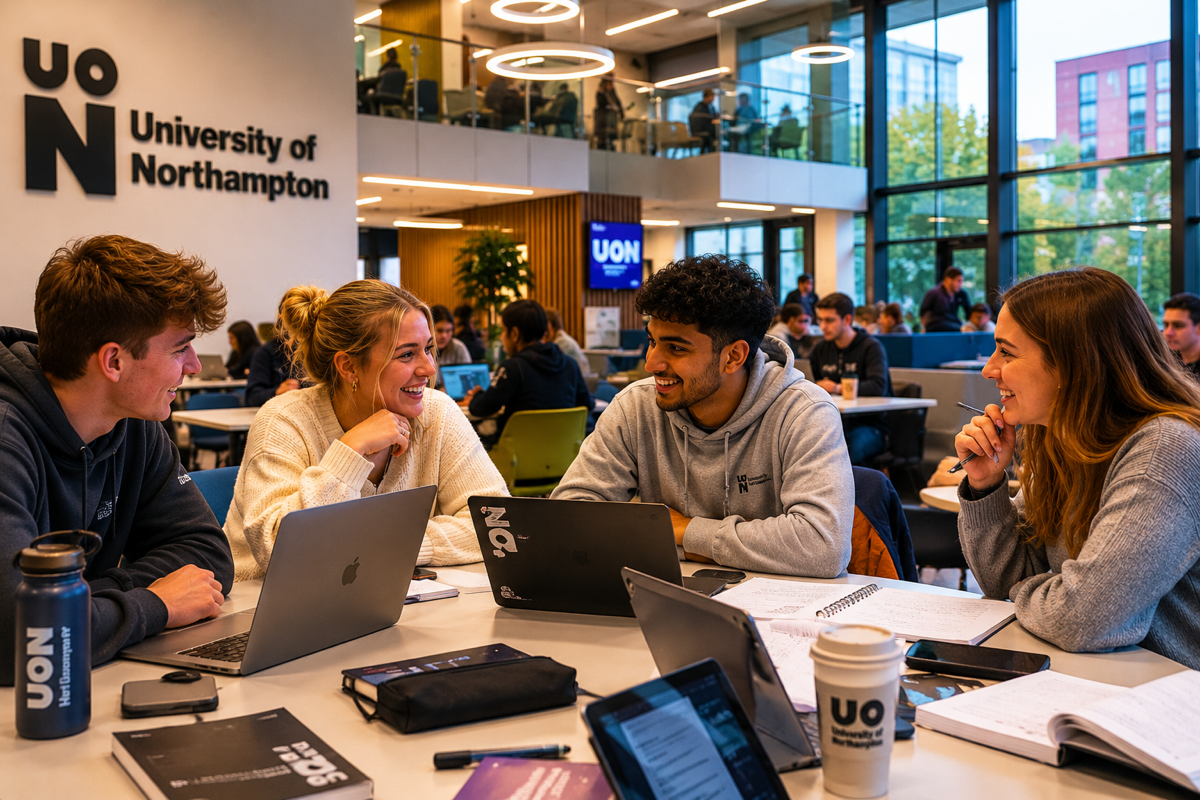
Sport rehabilitation and conditioning sits at the intersection of sports science, physiotherapy, and strength and conditioning practice. It is concerned with understanding how injuries to the musculoskeletal system occur, how they are assessed and managed, and how athletes and active individuals are supported through rehabilitation back to full performance. Alongside the rehabilitative dimension, the conditioning strand deals with the science of developing physical capacities, including strength, speed, endurance, and movement quality, in ways that are grounded in exercise physiology, biomechanics, and performance analysis. The discipline requires both scientific knowledge and the practical clinical and coaching skills to work effectively with individuals in real sporting and clinical environments. At the University of Northampton, you will study this combined field over three years of full-time study. You will build a strong foundation in anatomy, physiology, and biomechanics, then apply this to the study of injury mechanisms, assessment protocols, rehabilitation planning, and therapeutic interventions. The conditioning side of the programme covers exercise prescription, strength and conditioning principles, periodisation, and performance monitoring. You will develop practical skills in sports massage, taping and strapping, movement screening, and rehabilitation exercise programming. Laboratory and clinical sessions bring the science into practice, and you will develop the professional skills needed to work with athletes, coaches, and medical teams. Evidence-based practice and critical appraisal of the research literature are central to the degree. Graduates from sport rehabilitation and conditioning programmes enter a growing professional field with clear career pathways. Work as a sport rehabilitator or conditioning coach in professional sport, elite performance environments, sports clubs, and leisure facilities is the most direct route. Clinical settings, including physiotherapy clinics, hospital sports medicine departments, and private practice, also employ graduates, though some roles may require additional professional registration. Personal training, fitness management, and health promotion are further options. Many graduates pursue postgraduate study in physiotherapy, strength and conditioning, or sports medicine to deepen their clinical expertise and expand the scope of their professional practice.
Syllabus & Modules
Typical curriculumStudent Satisfaction
National Student Survey - 15 respondents (81% response rate)
Similarly Ranked Alternatives
What comes next? 🎓
Choosing the right university starts with choosing the right school. Explore transparent, data-driven school profiles powered by official DfE statistics.
Explore Schools on WhatSchool.ai →