High Drop-out Rate Alert
18% of students drop out or transfer from this specific course. Consider asking why on an open day.
BSc Sport and Exercise Science
About this course
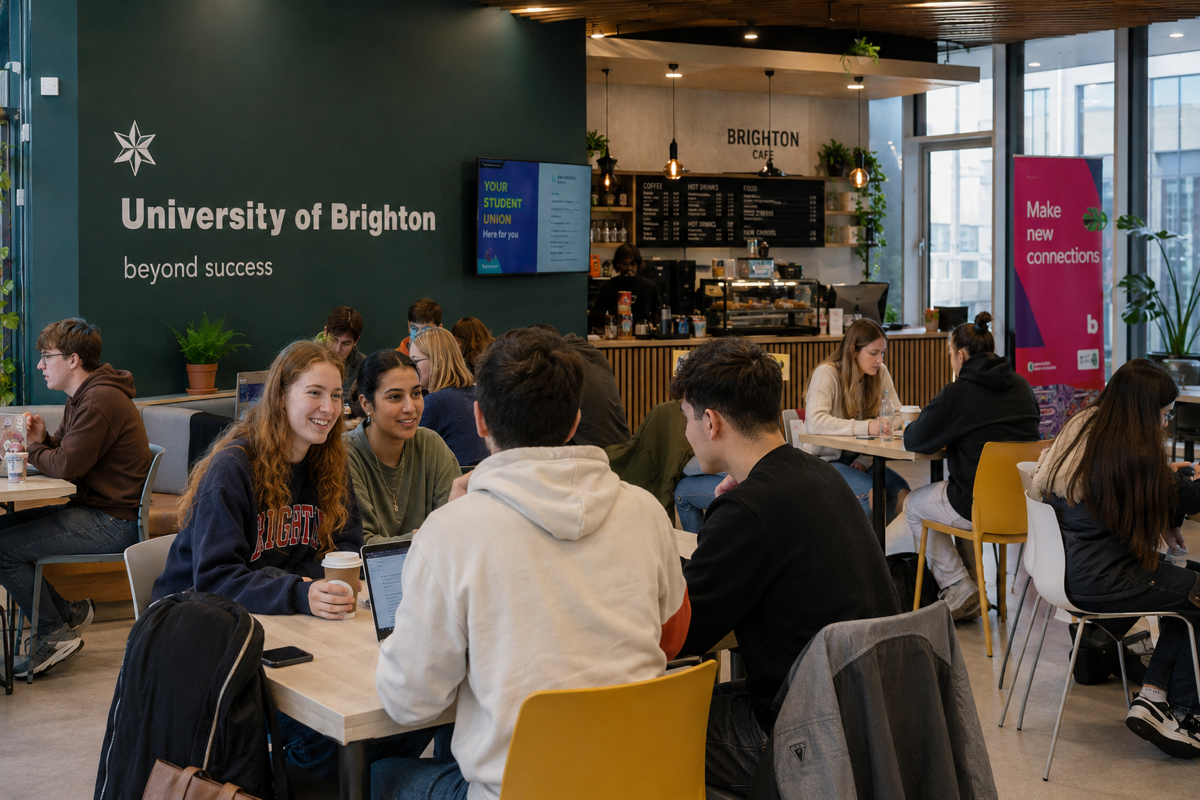
Sport and exercise science applies the principles of physiology, psychology, and biomechanics to understand how the human body performs, adapts, and recovers. It is a discipline built on rigorous scientific method, asking why some training approaches work better than others, how the mind shapes physical output, and what movement mechanics reveal about both performance and injury risk. As sport has become more evidence-driven and public health has moved up the policy agenda, the demand for people who understand the science behind physical activity has grown considerably. At the University of Brighton, this three-year, full-time programme equips you with both the theoretical grounding and practical research skills to work confidently in sport, health, and exercise settings. You will examine how the cardiovascular and musculoskeletal systems respond to exercise at different intensities, explore the psychological factors that influence motivation, performance, and recovery, and analyse movement patterns using contemporary laboratory techniques. The course also addresses exercise as a tool for improving health outcomes in clinical and community populations, extending the discipline well beyond elite sport. The programme includes a sandwich placement year and a work placement, giving you the opportunity to spend time working in a professional setting before you graduate. This could be in professional sport, health and fitness, rehabilitation, or research, and it provides experience that is genuinely useful when entering a competitive job market. Graduates pursue careers across a broad range of fields. Many work as strength and conditioning coaches, sport scientists, or performance analysts with professional sports clubs or national governing bodies. Others move into exercise referral, personal training, or public health roles, applying their knowledge of physical activity to community wellbeing. Some graduates go on to postgraduate study in areas such as sports medicine, physiotherapy, or exercise physiology, building specialist expertise for clinical or research careers.
Syllabus & Modules
Typical curriculumStudent Satisfaction
National Student Survey - 30 respondents (82% response rate)
Similarly Ranked Alternatives
What comes next? 🎓
Choosing the right university starts with choosing the right school. Explore transparent, data-driven school profiles powered by official DfE statistics.
Explore Schools on WhatSchool.ai →