High Drop-out Rate Alert
35% of students drop out or transfer from this specific course. Consider asking why on an open day.
BSc Sport Coaching and Development
About this course
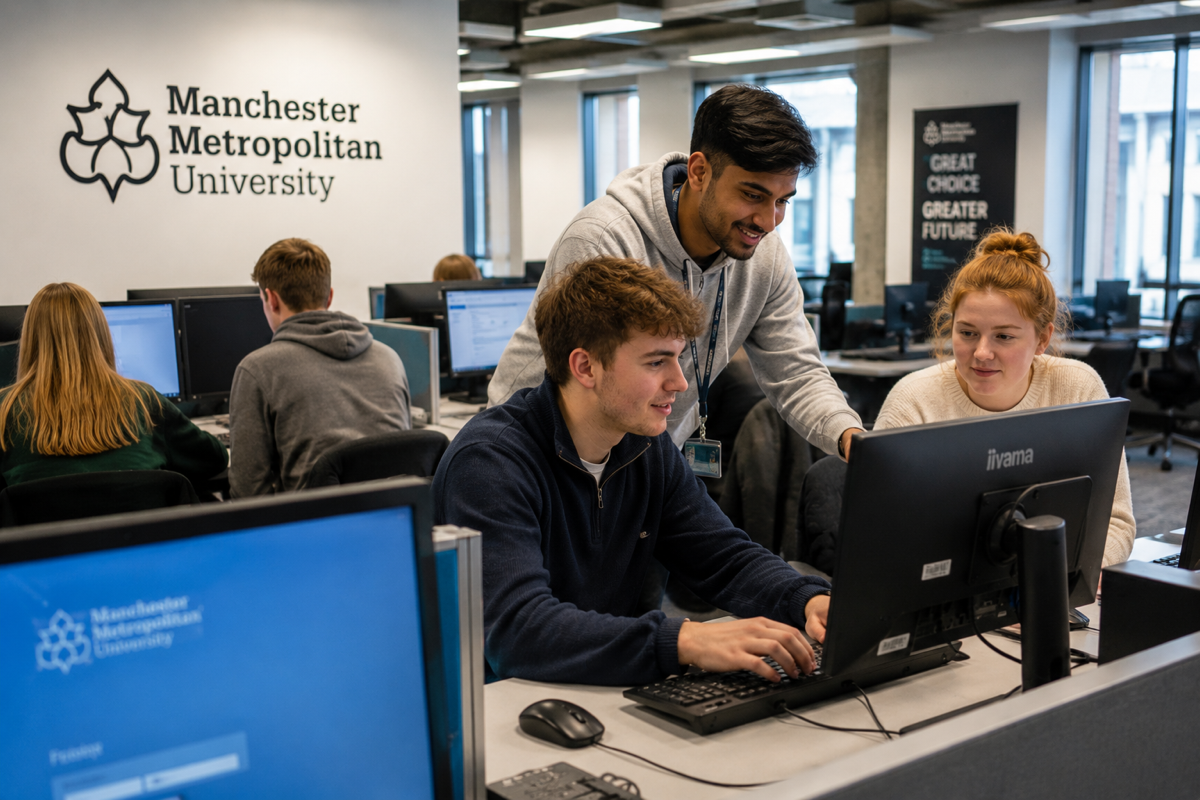
Sport coaching and development is a discipline that sits at the junction of sport science, pedagogy, and community engagement. Coaching is not simply the instruction of physical skills; it involves the application of knowledge from psychology, physiology, pedagogy, and leadership to create environments in which athletes and participants can learn, improve, and flourish. Development, in the broader sense, refers to the role that sport and physical activity play in the growth of individuals, communities, and organisations, encompassing youth sport, community development, sport-for-good initiatives, and the professionalisation of coaching practice. At Manchester Metropolitan University, this three-year full-time programme challenges you to think critically about sport coaching and development, examining both the key theoretical frameworks underpinning the field and developing the practical skills to apply them. The programme includes a sandwich year with work placement, giving you an extended period of professional experience in a coaching or development setting during your studies. This practical component is central to the programme, connecting academic learning to the realities of working in sport and enabling you to develop the professional judgement and reflective practice that employers value. You will study areas including the science of performance and learning, athlete development models, inclusive coaching, community sport development, leadership and management in sport, and the social and policy contexts within which sport operates. The combination develops a well-rounded professional prepared to work across performance, participation, and community settings. Graduates pursue careers as coaches and development officers in national governing bodies, sports clubs, local authorities, community sport organisations, schools, and the fitness sector. Many go on to take coaching qualifications specific to their sport alongside or after their degree, while others pursue postgraduate study in sport science, sport management, or education. The emphasis on both practical skill and theoretical understanding equips graduates to progress in the profession over time.
Syllabus & Modules
Typical curriculumStudent Satisfaction
National Student Survey - 45 respondents (92% response rate)
Similarly Ranked Alternatives
What comes next? 🎓
Choosing the right university starts with choosing the right school. Explore transparent, data-driven school profiles powered by official DfE statistics.
Explore Schools on WhatSchool.ai →