BSc Sport and Exercise Psychology
About this course
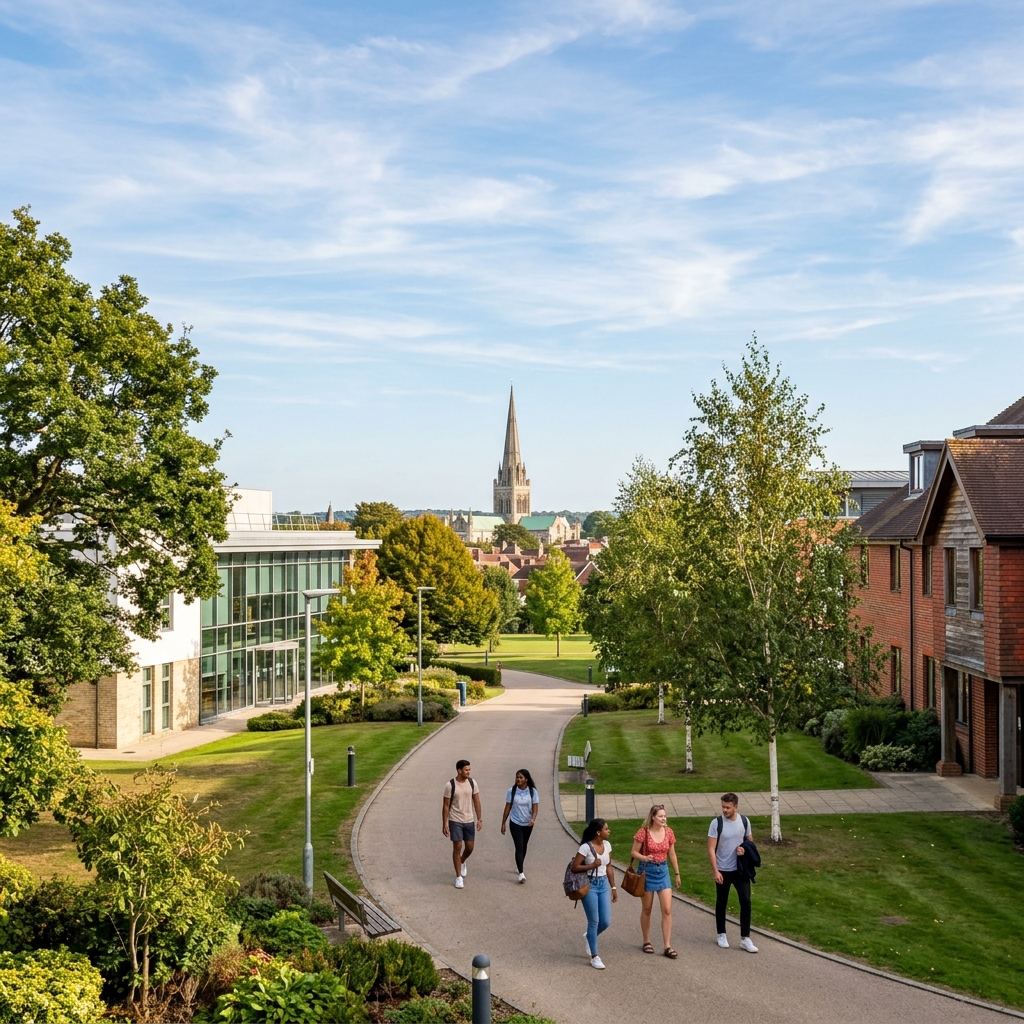
Sport and exercise psychology examines the mental processes and behaviours that influence performance, participation, and wellbeing in sport and physical activity. It asks how psychological factors such as motivation, confidence, anxiety, focus, and team dynamics affect how athletes perform, how exercise influences mental health, and how psychological interventions can support both performance and personal development. The discipline draws on cognitive, social, and clinical psychology and applies them in contexts ranging from elite sport to community exercise settings. At the University of Chichester, this three-year, full-time BSc allows you to explore how sport performance, physical activity, and wellbeing are shaped by psychological factors. You will study topics including motivation theory, goal setting, stress and coping, mental skills training, group dynamics, the psychology of injury, and the relationship between physical activity and mental health. The degree develops your ability to apply psychological research and evidence to practical questions in sport and exercise settings, preparing you for a career in which scientific literacy and applied skill are both essential. Chichester's location and connections to sport organisations and performance environments enrich the applied dimensions of the programme. Graduates of sport and exercise psychology programmes go on to work as sport psychology support practitioners, performance coaches, exercise practitioners in health settings, and researchers. Many pursue postgraduate study or professional training to achieve chartered status with the British Psychological Society, which is required for independent practice as a sport and exercise psychologist. Others move into roles in performance analysis, coaching, physical education, wellbeing coordination, or health promotion, applying their psychological knowledge across a range of sport and exercise contexts.
Syllabus & Modules
Typical curriculumStudent Satisfaction
National Student Survey - 15 respondents (58% response rate)
Similarly Ranked Alternatives


What comes next? 🎓
Choosing the right university starts with choosing the right school. Explore transparent, data-driven school profiles powered by official DfE statistics.
Explore Schools on WhatSchool.ai →