High Drop-out Rate Alert
25% of students drop out or transfer from this specific course. Consider asking why on an open day.
BSc Sport And Exercise Psychology
About this course
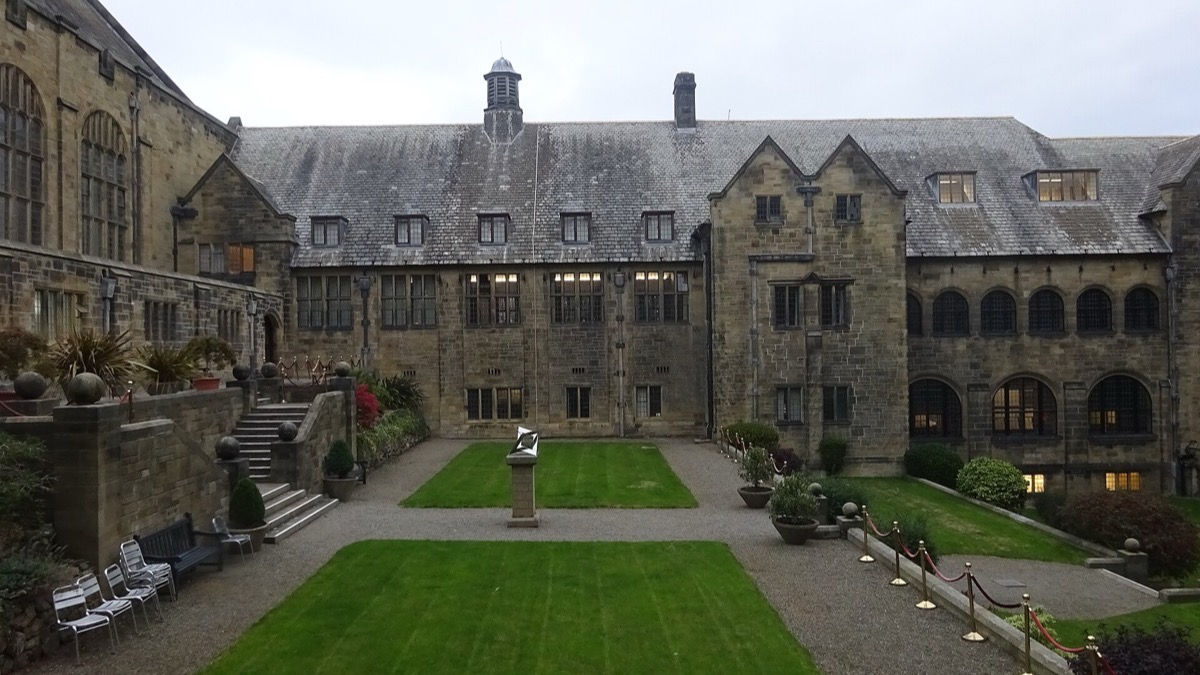
Sport and exercise psychology applies the principles of psychological science to the understanding and improvement of performance, wellbeing, and participation in sport and physical activity. It asks how mental factors such as motivation, confidence, anxiety, concentration, and team cohesion affect athletic performance, and how psychological interventions can help athletes, coaches, and exercisers achieve their goals and maintain their mental health. The field is relevant not only to elite sport but to every context in which people engage with physical activity, from clinical rehabilitation to recreational participation. At Bangor University, a university with a distinguished research reputation in sport and exercise psychology, this three-year full-time programme is available with a foundation year for students who need to develop their academic foundation before entering degree-level study. From that starting point you will study the core areas of psychology, including cognitive, developmental, social, and biological psychology, alongside specialist modules in sport and exercise psychology, covering motivation, self-confidence, stress and anxiety management, goal setting, team dynamics, and the psychological dimensions of exercise behaviour and physical health. The programme includes a sandwich year, a year abroad, and work placement opportunities, giving you professional experience in sport, exercise, or psychological settings before you graduate and allowing you to develop an international perspective on the field. Bangor's strong research base in sport and exercise psychology means you will be taught by researchers who are active at the frontier of the discipline, and you will develop the research skills to engage with primary scientific literature and to conduct your own empirical work. Graduates go on to work as sport psychology consultants, performance coaches, exercise and wellbeing practitioners, and researchers. Many pursue postgraduate qualifications to work as registered sport and exercise psychologists with the British Psychological Society. Careers in coaching, performance analysis, health promotion, and talent development are also well-supported.
Syllabus & Modules
Typical curriculumStudent Satisfaction
National Student Survey - 10 respondents (92% response rate)
Similarly Ranked Alternatives
What comes next? 🎓
Choosing the right university starts with choosing the right school. Explore transparent, data-driven school profiles powered by official DfE statistics.
Explore Schools on WhatSchool.ai →