High Drop-out Rate Alert
25% of students drop out or transfer from this specific course. Consider asking why on an open day.
BSc Sport and Exercise
About this course
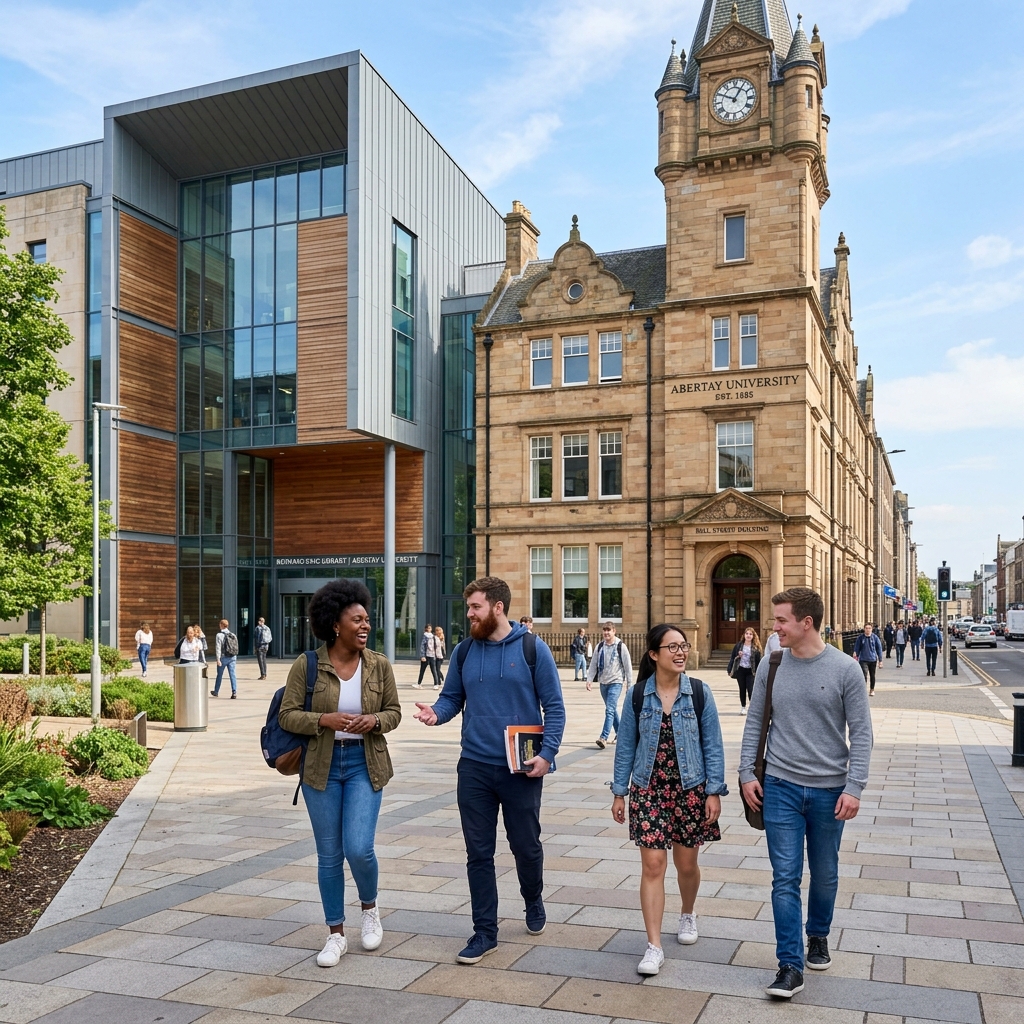
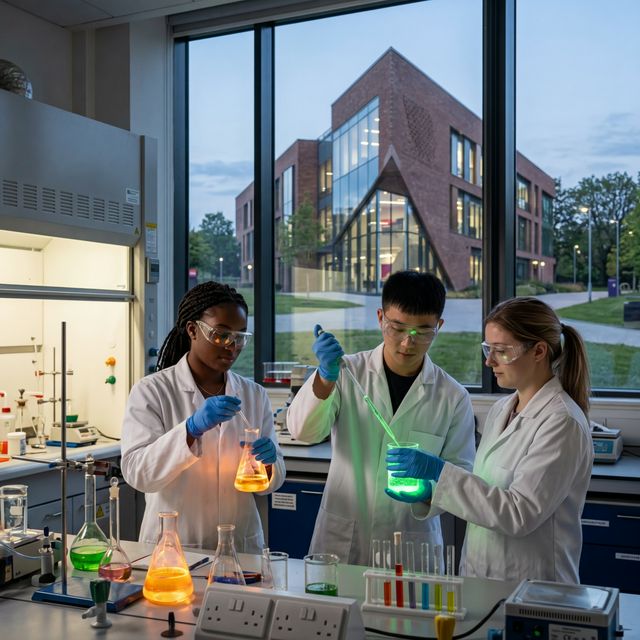
Sport and exercise science applies the methods of physiology, psychology, biomechanics, and nutrition to understanding human performance and physical activity. It asks how the body responds and adapts to exercise, how psychological factors influence performance, how movement can be analysed and improved, and how physical activity contributes to health and wellbeing across the lifespan. The discipline sits between pure science and applied practice, and its graduates work across elite sport, health promotion, rehabilitation, and sports development. This four-year full-time programme at Abertay University includes a year abroad, giving you the opportunity to study at an international partner institution and to encounter sport and exercise science in a different national context. Approaches to sport science support, physical education, and public health through exercise vary across countries, and international study broadens your perspective and adds a dimension of professional and cultural formation that purely domestic study cannot provide. With a typical tariff of 152 points, the programme is selective and attracts students with strong scientific foundations and genuine engagement with sport and physical activity. You will study exercise physiology, sports biomechanics, sport and exercise psychology, nutrition for health and performance, sports medicine principles, and research methods, developing both the scientific understanding and the practical skills to work with athletes and physically active populations. Laboratory and field-based work are central to the curriculum, giving you direct experience of the measurement and assessment techniques used in professional sport science settings. Graduates from sport and exercise science programmes move into careers in professional and elite sport (as performance analysts, strength and conditioning coaches, or sport scientists), health and fitness, sports development, exercise referral and rehabilitation, and research. The science background also opens routes into physiotherapy, medicine, or sports medicine with further study. Many graduates continue to postgraduate work in exercise physiology, sport psychology, or sports medicine.
Syllabus & Modules
Typical curriculumStudent Satisfaction
National Student Survey - 10 respondents (71% response rate)
Similarly Ranked Alternatives
What comes next? 🎓
Choosing the right university starts with choosing the right school. Explore transparent, data-driven school profiles powered by official DfE statistics.
Explore Schools on WhatSchool.ai →