BA Social and Community Work
About this course
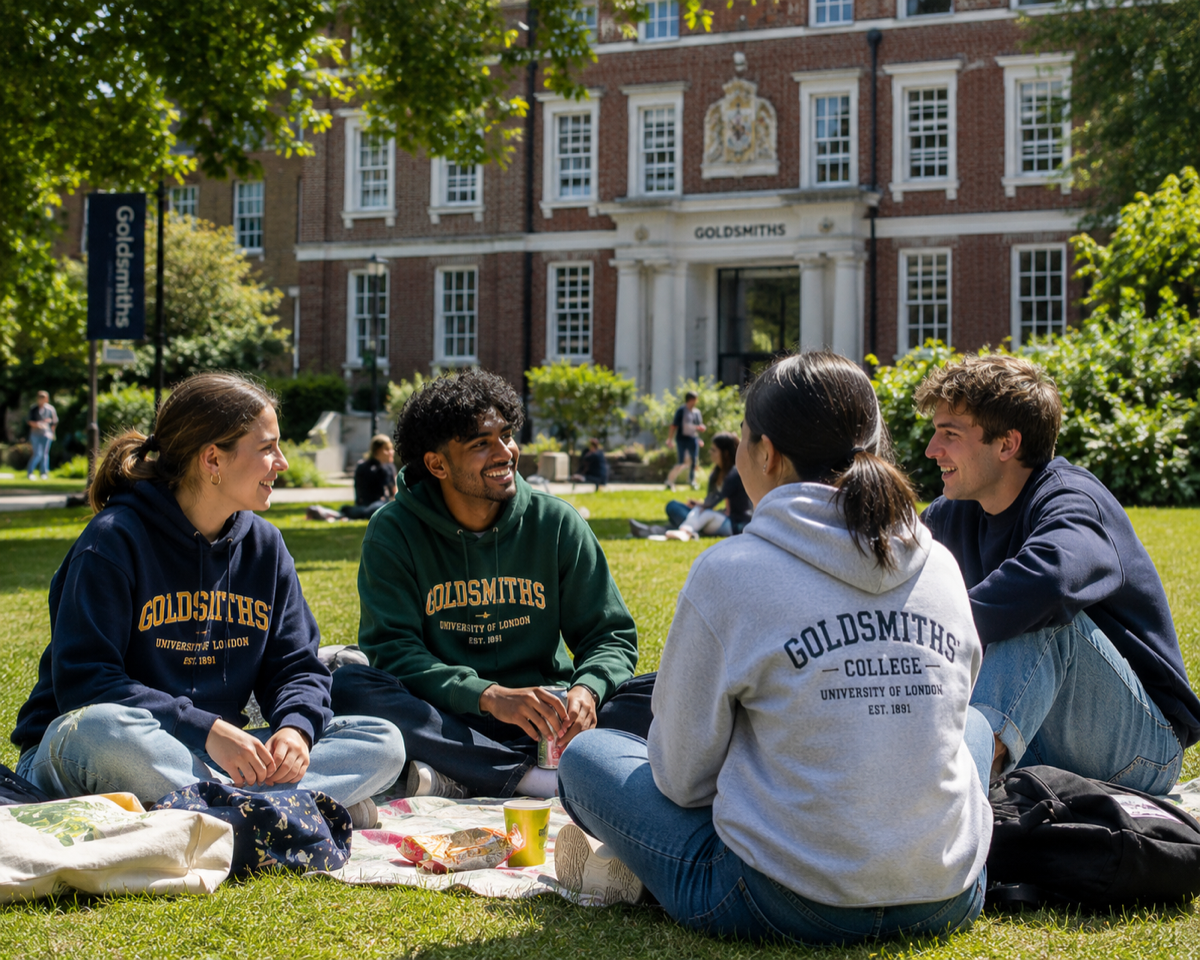
Social and community work is a practice-based discipline concerned with supporting individuals, families, and communities to address disadvantage, build capacity, and participate more fully in social life. It draws on social work theory, community development principles, and an understanding of the social and structural factors that affect wellbeing, including poverty, inequality, discrimination, and lack of access to resources. Community work specifically focuses on collective approaches to social change, working alongside communities to identify their needs and strengths and to support them in taking action on their own terms, rather than simply receiving services. At Goldsmiths' College, this two-year full-time degree offers a focused and accelerated route into the field, combining academic grounding with practical orientation. The programme develops your understanding of social structures and inequalities, the theory and ethics of community engagement, the policy frameworks within which social and community work operates, and the skills required for effective direct practice with diverse communities. You will engage with questions about power, participation, advocacy, and social justice that run through the profession, and develop your capacity for reflective practice, the ability to examine your own assumptions and actions and to learn from experience in an ongoing way. Goldsmiths' location in South London and its long engagement with community-based work provide a distinctive context for this kind of study. Graduates of social and community work programmes work in community development organisations, local authorities, housing associations, youth services, the voluntary sector, faith organisations, and international development contexts. Many graduates go on to further professional training in social work, youth work, or community education, and the degree provides a foundation for postgraduate qualifications in social work, community development, public health, or education. The combination of analytical skills and practical orientation prepares graduates for roles where direct community engagement and systemic awareness are both required.
Syllabus & Modules
Typical curriculumStudent Satisfaction
National Student Survey - 10 respondents (65% response rate)
Similarly Ranked Alternatives

What comes next? 🎓
Choosing the right university starts with choosing the right school. Explore transparent, data-driven school profiles powered by official DfE statistics.
Explore Schools on WhatSchool.ai →