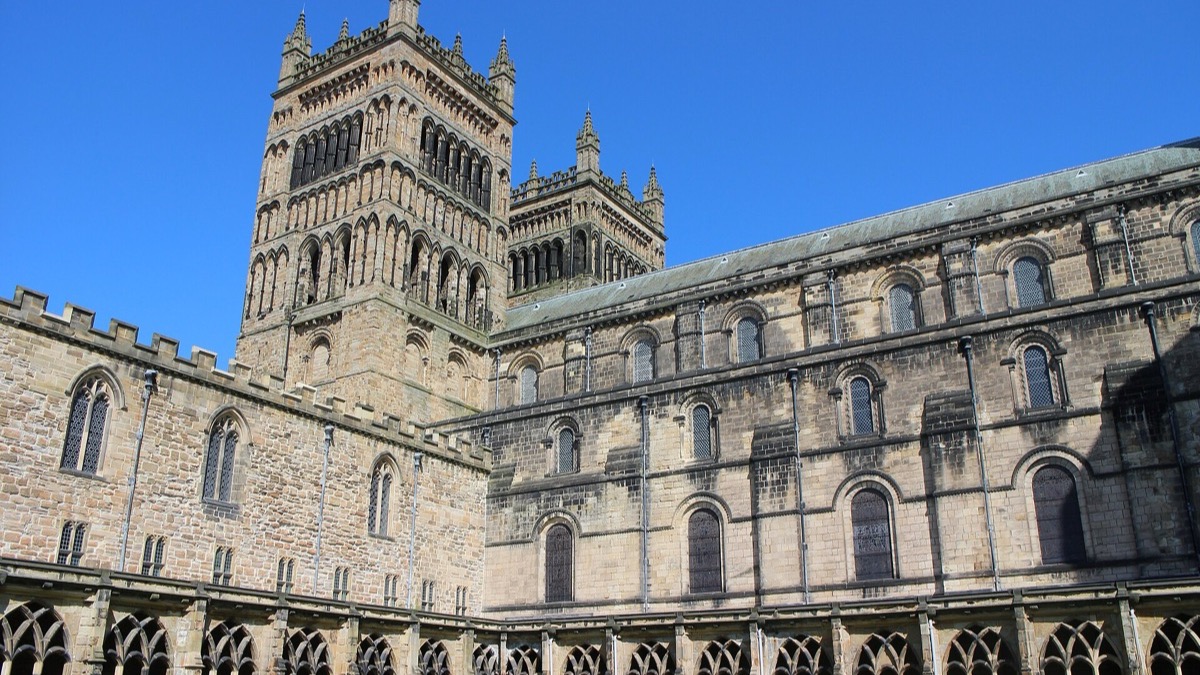
BA Religion, Society and Culture
About this course
Religion, society and culture examines one of the most pervasive and consequential forces in human life, asking how religious belief, practice and institution shape the way societies are organised, how they respond to crisis, and how individuals understand their place in the world. The discipline draws on theology, sociology, anthropology, philosophy and ethics to engage with religion not as a fixed category but as a dynamic presence in politics, literature, bioethics, warfare, environmentalism and everyday life. Far from being a declining force in secular modernity, religion continues to shape conflict, culture, law and moral debate in ways that make its serious study urgently relevant. At the University of Durham you will study for three years full-time, engaging with the role of religion in a wide range of human contexts. You will develop analytical tools for understanding religious traditions alongside the ethical frameworks to engage with pressing contemporary questions, including the environmental crisis, end-of-life issues, poverty and warfare. The programme encourages you to arrive at well-informed and reflective positions on topics that are both intellectually rich and urgently practical. A sandwich year in professional practice and a year abroad are built into the programme, providing extended professional and international experience alongside your academic work. Graduates in religion, society and culture bring analytical depth, ethical seriousness and cultural breadth to a wide range of careers. Chaplaincy, social work, education, journalism, interfaith dialogue, NGOs, the civil service, cultural organisations and international development are all natural destinations. The ethical and critical thinking skills the degree builds are also valued in healthcare, law, public affairs and any professional context where difficult moral questions arise. Many graduates pursue postgraduate study in theology, religious studies, social ethics, sociology of religion or related fields, or enter professional training in ministry, counselling or education.
Syllabus & Modules
Typical curriculumStudent Satisfaction
National Student Survey - 50 respondents (58% response rate)
Similarly Ranked Alternatives
What comes next? 🎓
Choosing the right university starts with choosing the right school. Explore transparent, data-driven school profiles powered by official DfE statistics.
Explore Schools on WhatSchool.ai →