BA Religion and Sociology
About this course
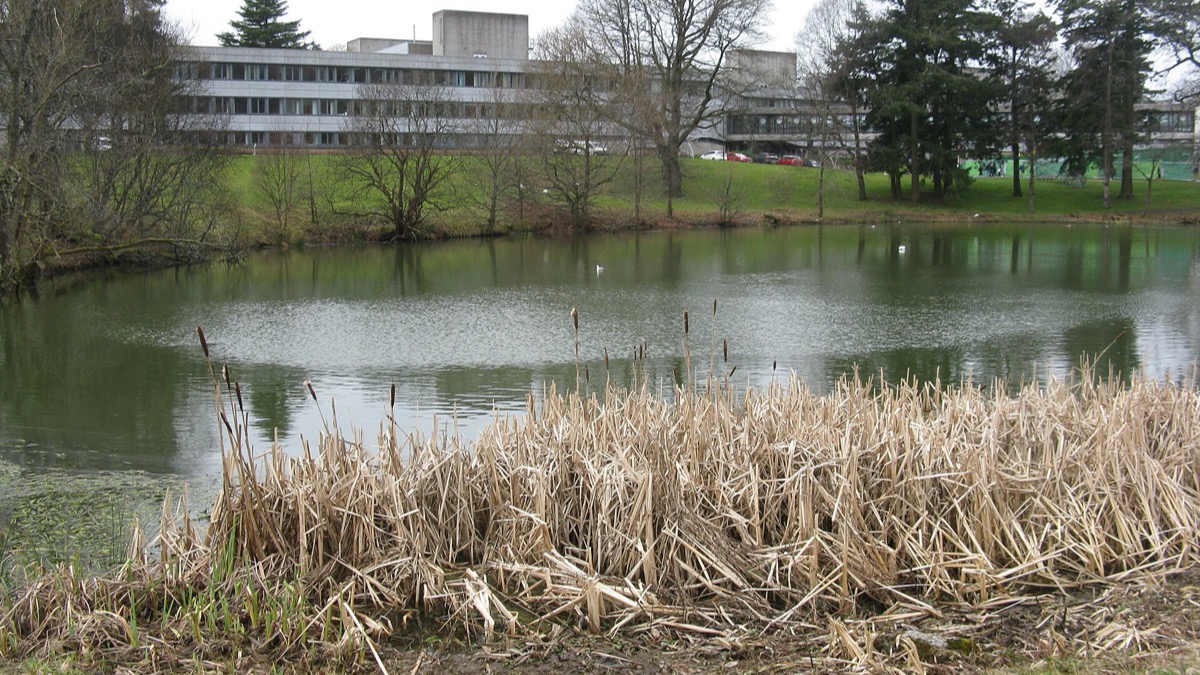
Religion and Sociology together offer a rich and complementary set of lenses for understanding human societies. Sociology provides the theoretical frameworks and empirical methods for analysing social structures, institutions, inequalities, and the forces that drive social change. Religion, as a field of academic study, examines belief systems, ritual practices, sacred texts, institutions of faith, and the diverse ways in which religion shapes individual identity and collective life across cultures and history. The two disciplines connect naturally: religion is one of the most powerful forces in social organisation, and sociological thinking is essential to understanding how religious communities form, change, and interact with the broader world around them. At the University of Stirling, this four-year full-time Honours programme gives you the opportunity to develop a sophisticated understanding of both fields. The four-year structure is standard in Scotland and allows for genuine depth of study, with specialist options and research experience building through the later years of the programme. You will engage with classical and contemporary sociological theory, research methods, the sociology of religion, secularisation debates, new religious movements, religion and politics, and comparative study of religious traditions. The degree includes a year abroad, which provides the opportunity to study in a different country and experience how these questions about faith, culture, and society are approached in different academic and cultural contexts. Stirling's campus setting and research-active staff create a supportive environment for sustained intellectual inquiry. Graduates from this combination degree are well placed for careers in education, community work, the voluntary and faith sectors, public administration, journalism, international development, social research, and policy analysis. The critical thinking, qualitative research skills, and cultural sensitivity developed through studying both religion and sociology are assets in any field that involves engaging with diverse communities or analysing social phenomena. Some graduates continue to postgraduate study in sociology, religious studies, theology, or social policy, while others move directly into professional roles that draw on the analytical and interpersonal capabilities the degree develops.
Syllabus & Modules
Typical curriculumStudent Satisfaction
National Student Survey - 75 respondents (66% response rate)
Similarly Ranked Alternatives

What comes next? 🎓
Choosing the right university starts with choosing the right school. Explore transparent, data-driven school profiles powered by official DfE statistics.
Explore Schools on WhatSchool.ai →