High Drop-out Rate Alert
55% of students drop out or transfer from this specific course. Consider asking why on an open day.
BSc Psychology with Integrated Foundation Year
About this course
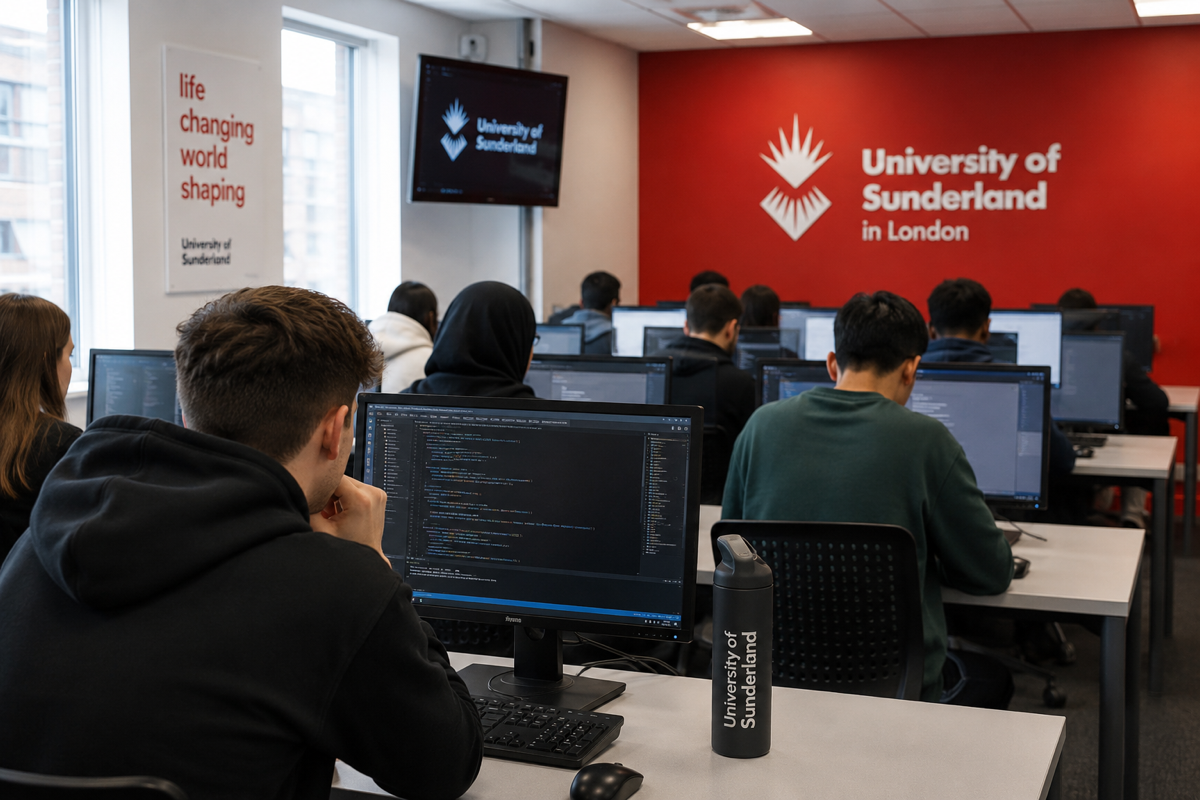
Psychology is the scientific study of the mind and behaviour, a discipline that examines how people perceive, think, feel, remember, and act, and how biological, social, and environmental factors shape these processes. It is one of the most wide-ranging subjects in higher education, drawing on natural science methods alongside social and cultural analysis, and its findings are relevant to almost every domain of human life, from mental health and clinical practice to education, sport, organisations, and criminal justice. At the University of Sunderland, this four-year full-time programme begins with an integrated foundation year, providing a smooth and supportive start to degree-level study. This makes it an excellent route for students returning to education after a gap, those who narrowly missed the entry requirements for direct entry, or those who want a more gradual transition into the demands of university-level work. The foundation year builds the academic skills, scientific literacy, and conceptual groundwork needed to succeed in the full psychology degree, and you progress directly into the second year of the programme on successful completion. Across the full programme, you will cover the major areas of psychological science: cognitive psychology examining attention, memory, perception, and language; biological psychology exploring the neural and physiological bases of behaviour; developmental psychology tracing changes across the lifespan; social psychology examining how people influence each other; and individual differences investigating personality and intelligence. Research methods and statistics receive sustained attention, because psychology's status as a science rests on its commitment to rigorous empirical inquiry. The programme includes a sandwich year and work placement, giving you the opportunity to apply your knowledge in a professional context before completing your degree and substantially strengthening your employability. Graduates from psychology programmes pursue careers across mental health services, human resources, education, research, marketing and consumer insight, sport, and social work. Routes to becoming a chartered psychologist require further postgraduate training, typically a doctorate in clinical, educational, forensic, occupational, or sport psychology.
Syllabus & Modules
Typical curriculumStudent Satisfaction
National Student Survey - 30 respondents (84% response rate)
Similarly Ranked Alternatives



What comes next? 🎓
Choosing the right university starts with choosing the right school. Explore transparent, data-driven school profiles powered by official DfE statistics.
Explore Schools on WhatSchool.ai →