BSc Psychology with Education
About this course
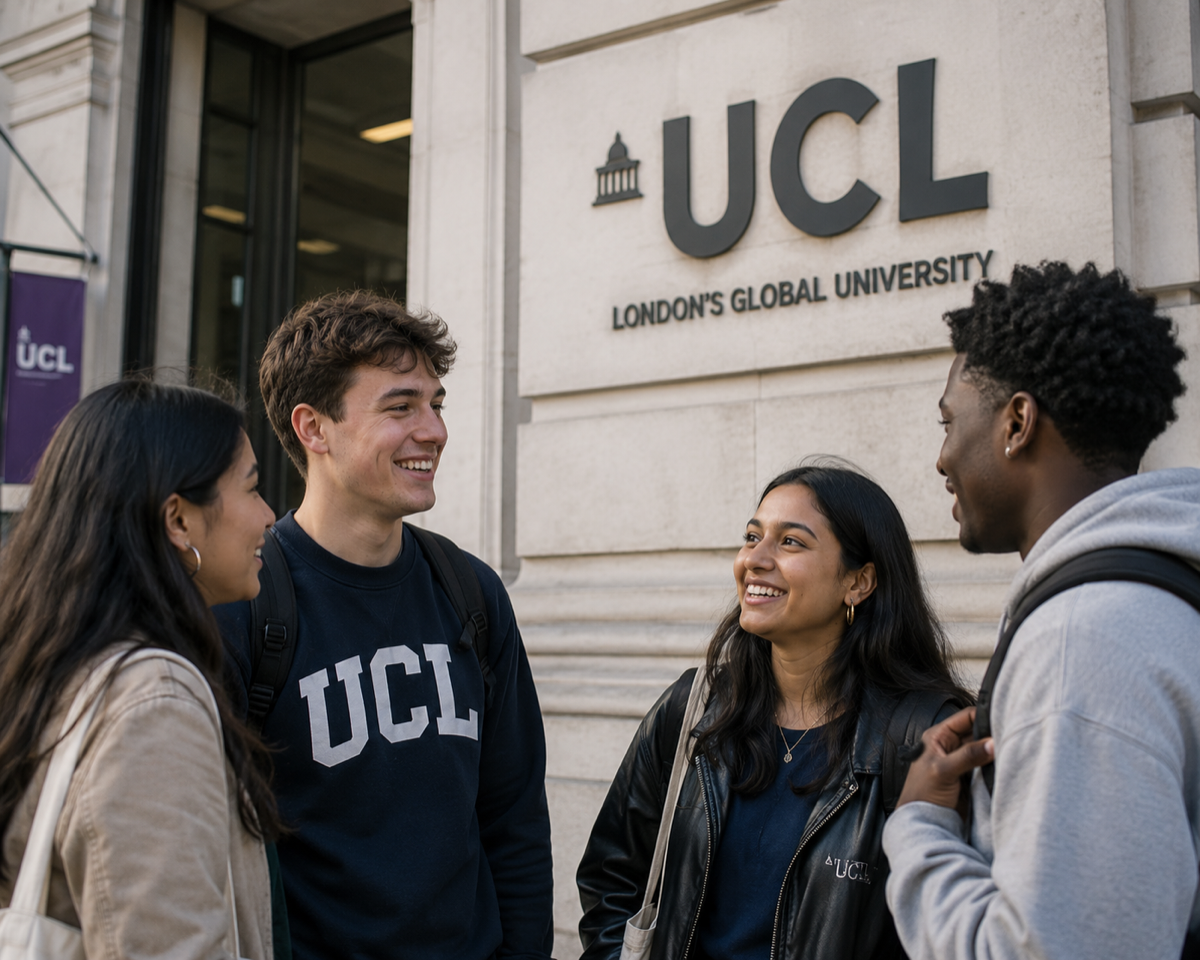
Psychology with education at University College London brings together two fields that have a great deal to say to each other. Psychology is the scientific study of mind and behaviour, encompassing perception, memory, learning, development, motivation, emotion, social interaction, and abnormal psychology, all approached through the methods of rigorous empirical research. Education draws on psychology extensively, but it also engages with sociology, philosophy, and policy to ask how learning environments are structured, how teachers teach effectively, how educational inequalities arise and persist, and what interventions make a genuine difference to children's outcomes. Studying them together gives you both the scientific grounding to understand what research says about learning and development and the broader contextual understanding to see how that knowledge operates in real educational systems. At UCL, you will follow this three-year full-time programme within one of the world's leading psychology and education departments. The psychology component covers the full range of core topics, including cognitive, developmental, social, and biological psychology, with strong emphasis on research methods and statistical analysis, reflecting the discipline's scientific foundations. The education strand engages with theories of learning and development, educational psychology and special educational needs, and the social and policy dimensions of education. UCL's location in London provides access to a remarkable range of educational settings and research communities, and the programme benefits from the university's status as one of the foremost research institutions in both psychology and education. Graduates from psychology with education are well placed for careers in educational psychology, which typically requires postgraduate doctoral training, as well as in teaching, special educational needs coordination, educational research, and policy roles in government and educational organisations. Child and adolescent mental health services, children's social care, and the voluntary sector working with young people are further destinations for those whose interests lean towards the therapeutic and developmental dimensions of the degree. Postgraduate study in psychology, educational psychology, or education is a common and often necessary route for specialist professional roles.
Syllabus & Modules
Typical curriculumStudent Satisfaction
National Student Survey - 75 respondents (88% response rate)
Similarly Ranked Alternatives


What comes next? 🎓
Choosing the right university starts with choosing the right school. Explore transparent, data-driven school profiles powered by official DfE statistics.
Explore Schools on WhatSchool.ai →