BSc Psychology
About this course
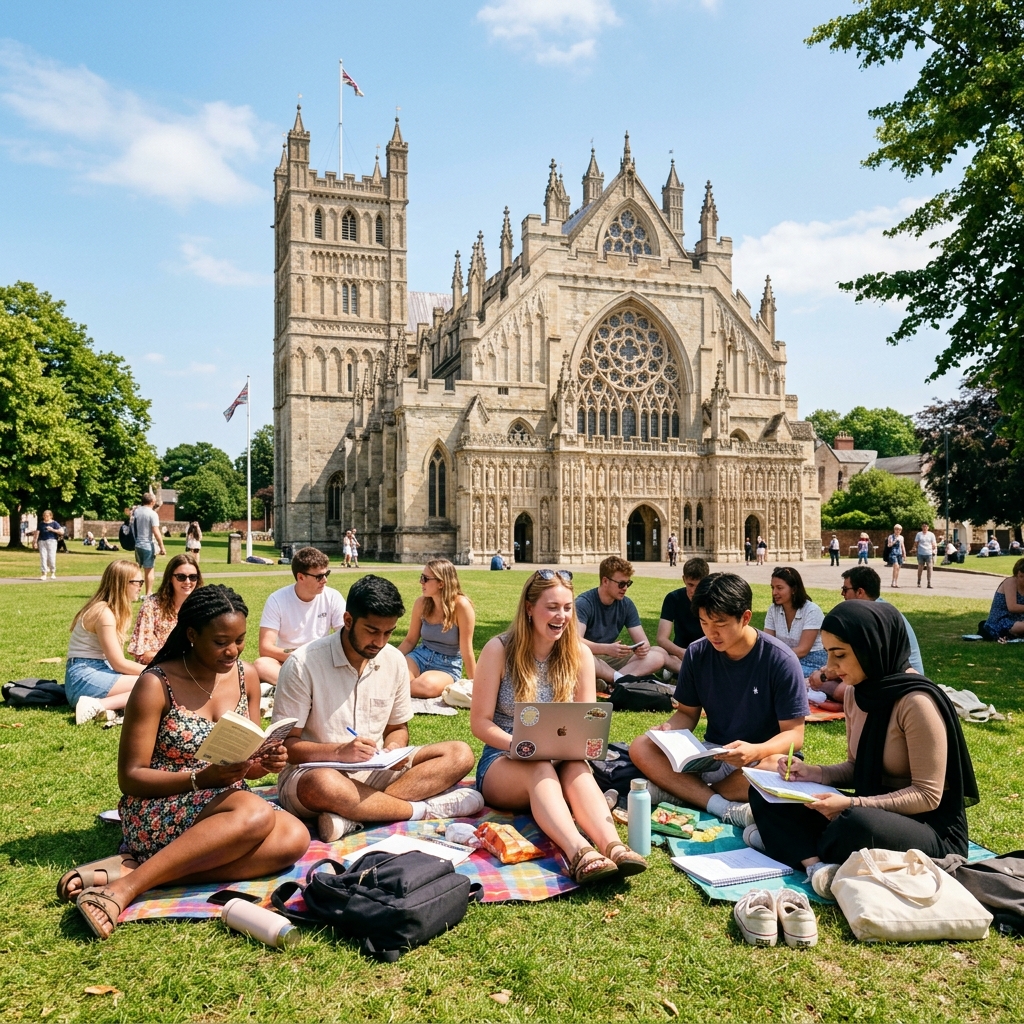
Psychology is the scientific study of mind, brain, and behaviour. It asks why people think, feel, and act as they do, and it answers those questions through theory, experiment, and careful observation. As the student voice in the current course description captures, one of the great attractions of psychology at degree level is its variety: from the neuroscience of perception and memory to the social psychology of group behaviour, from developmental psychology to clinical applications, the discipline spans a remarkable range of human questions and engages with them through genuinely rigorous methods. This three-year full-time programme at the University of Exeter includes a sandwich year and a work placement, giving you direct professional experience in a psychology-related setting before you complete your degree. Exeter has a strong psychology department with particular strengths in individual differences, neuroscience, and applied psychology, and its location in the South West provides connections with healthcare, education, and research organisations where placements can be undertaken. With a typical tariff of 168 points, the programme is highly selective and attracts students who are already engaged with the subject and prepared for the statistical rigour and empirical discipline that degree-level psychology requires. You will study cognitive psychology, social psychology, developmental psychology, biological psychology, and research methods including statistics, alongside more advanced and specialist topics as the degree progresses. The sandwich and placement years give you the opportunity to apply your psychological understanding in a professional context, developing an understanding of how psychology is practised outside the university. Graduates from psychology at Exeter are well placed for careers in clinical and educational psychology (with further postgraduate training), research, human resources, marketing, health, and a wide range of roles in the public and private sectors where understanding people and behaviour is central. Many continue to postgraduate training routes in clinical, educational, or occupational psychology.
Syllabus & Modules
Typical curriculumStudent Satisfaction
National Student Survey - 150 respondents (71% response rate)
Similarly Ranked Alternatives


What comes next? 🎓
Choosing the right university starts with choosing the right school. Explore transparent, data-driven school profiles powered by official DfE statistics.
Explore Schools on WhatSchool.ai →