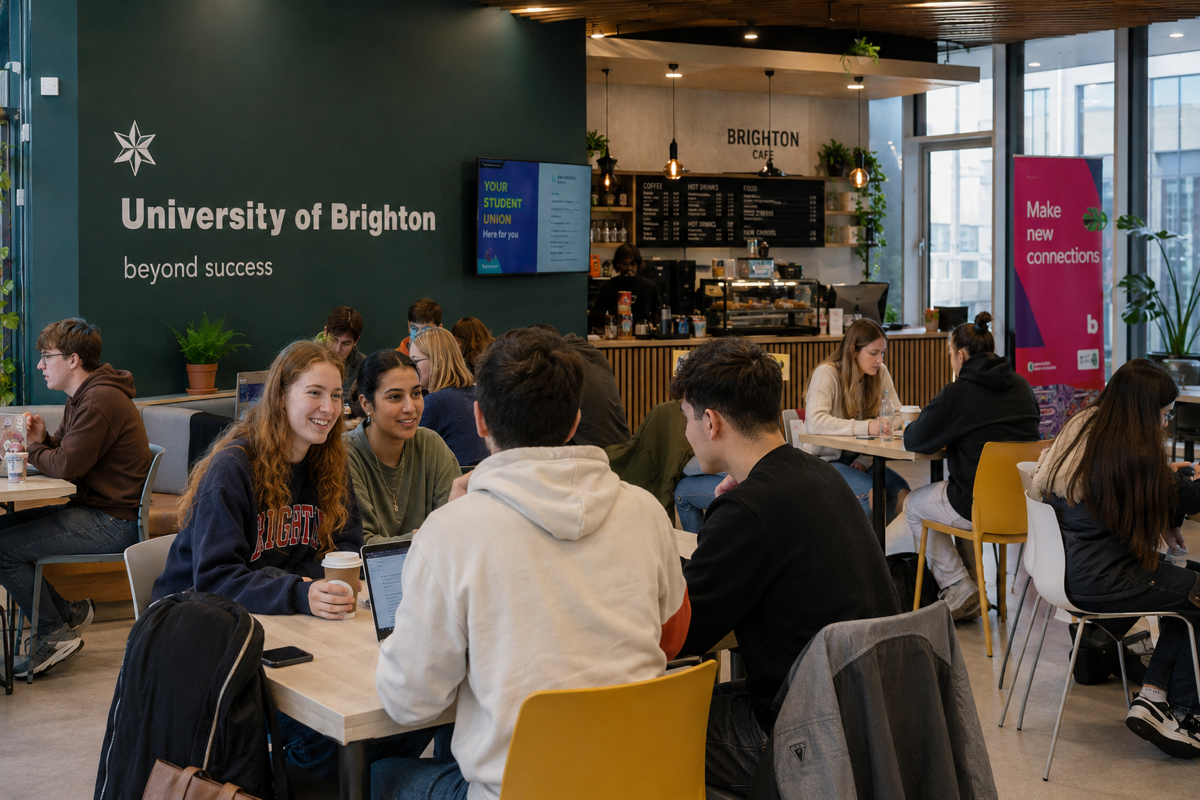
BSc Psychology
About this course
Psychology is the scientific study of behaviour and mental processes, seeking to understand how people think, feel, perceive, learn, and act, both individually and in social contexts. As a science, it relies on careful empirical investigation, from controlled experiments and observational studies to neuroimaging and computational modelling, and its findings have direct applications in healthcare, education, the workplace, criminal justice, and beyond. Studying psychology at degree level means developing not only knowledge of the major theories and findings of the discipline but also the research methods and critical thinking skills that allow you to evaluate evidence rigorously. At the University of Brighton, you will study Psychology over three years, full time. The programme includes a sandwich year and work placement opportunities, giving you structured professional experience as part of your degree. Placements allow you to apply psychological knowledge in real-world settings, whether in healthcare, education, organisations, or research, and can provide valuable insight into the careers open to psychology graduates. You will cover the core areas required for accreditation as a psychology degree, including biological psychology, cognitive psychology, developmental psychology, social psychology, and research methods with both quantitative and qualitative approaches. You will engage with the ethical frameworks governing psychological research and practice, and develop your ability to design studies, analyse data, and communicate your findings to a range of audiences. Psychology graduates are among the most broadly employable in the UK. Careers span mental health services, education, social work, human resources, marketing, criminal justice, research, and management. For those wishing to practice as a psychologist in clinical, forensic, educational, or occupational contexts, the degree provides the foundation for accredited postgraduate training, typically at doctoral level. Many graduates also pursue master's degrees, research doctorates, or professional qualifications that deepen their expertise in a specific area of psychological practice or research.
Syllabus & Modules
Typical curriculumStudent Satisfaction
National Student Survey - 130 respondents (68% response rate)
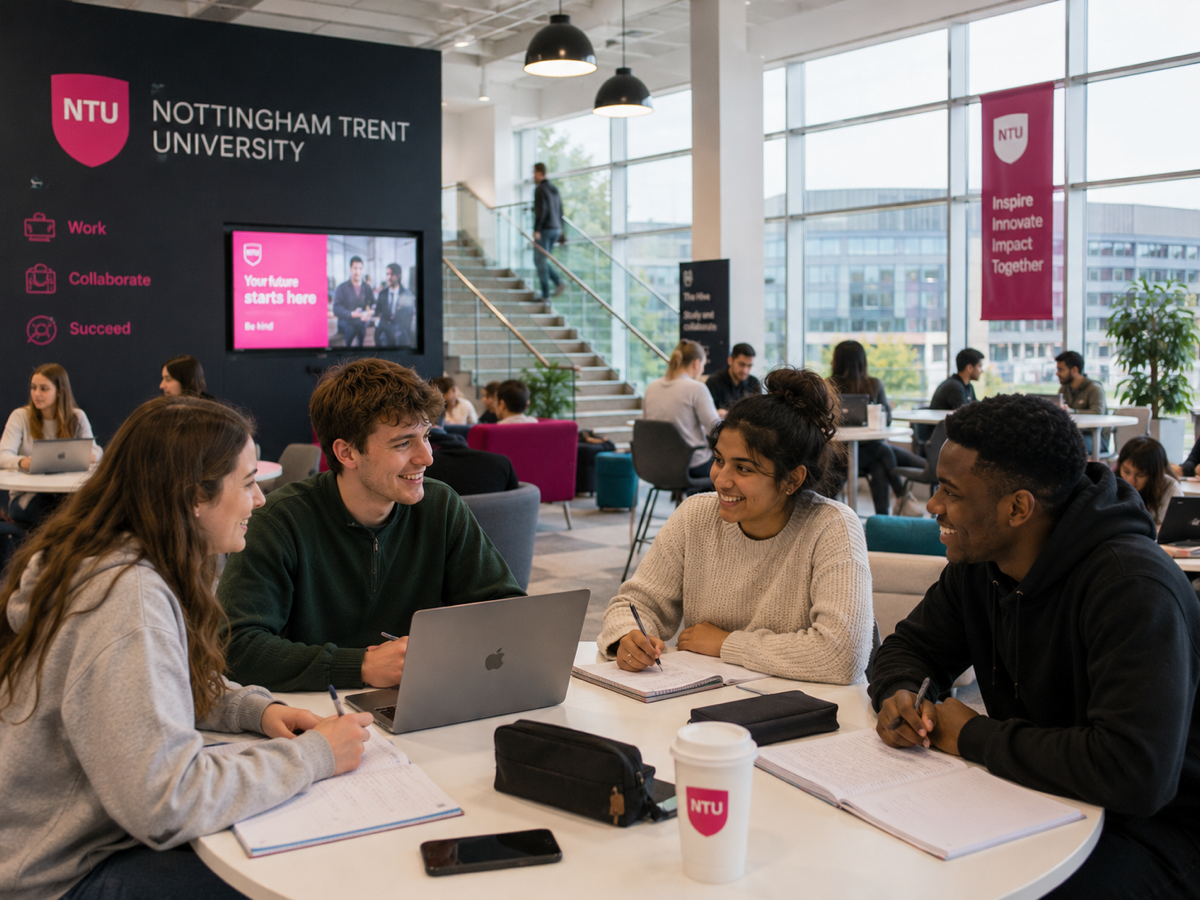
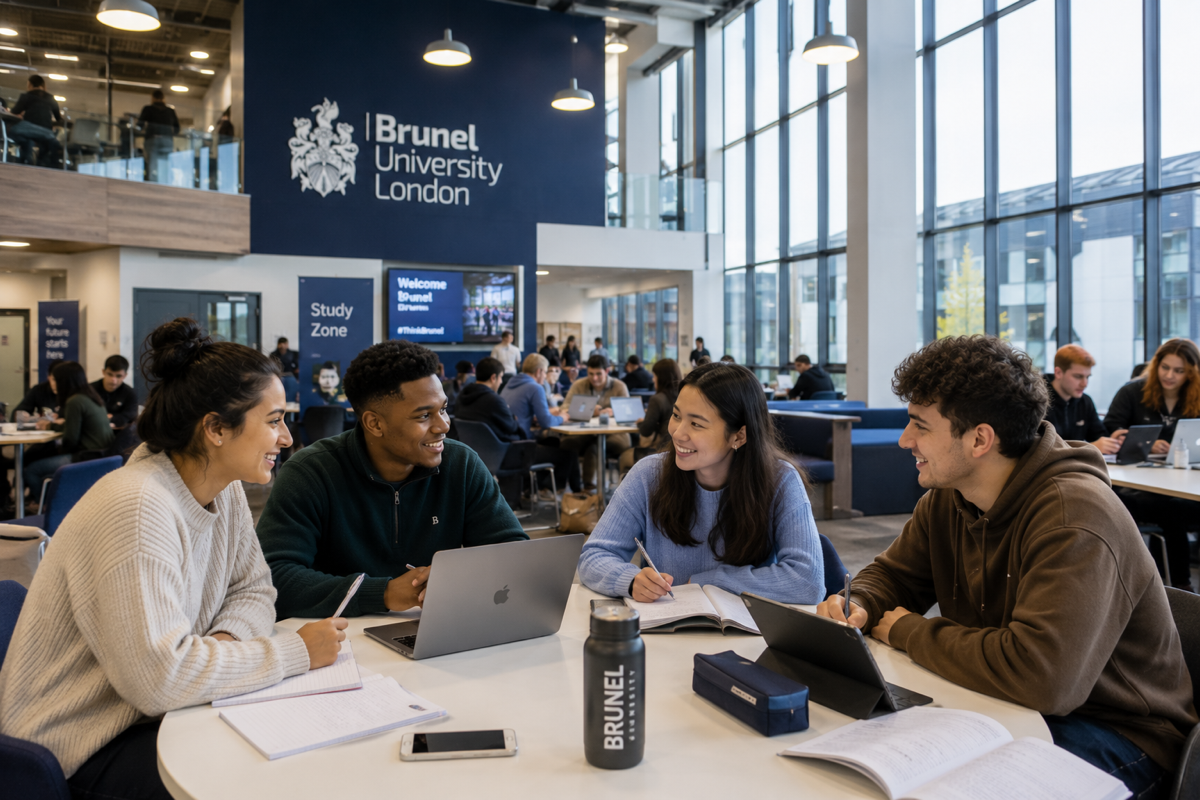
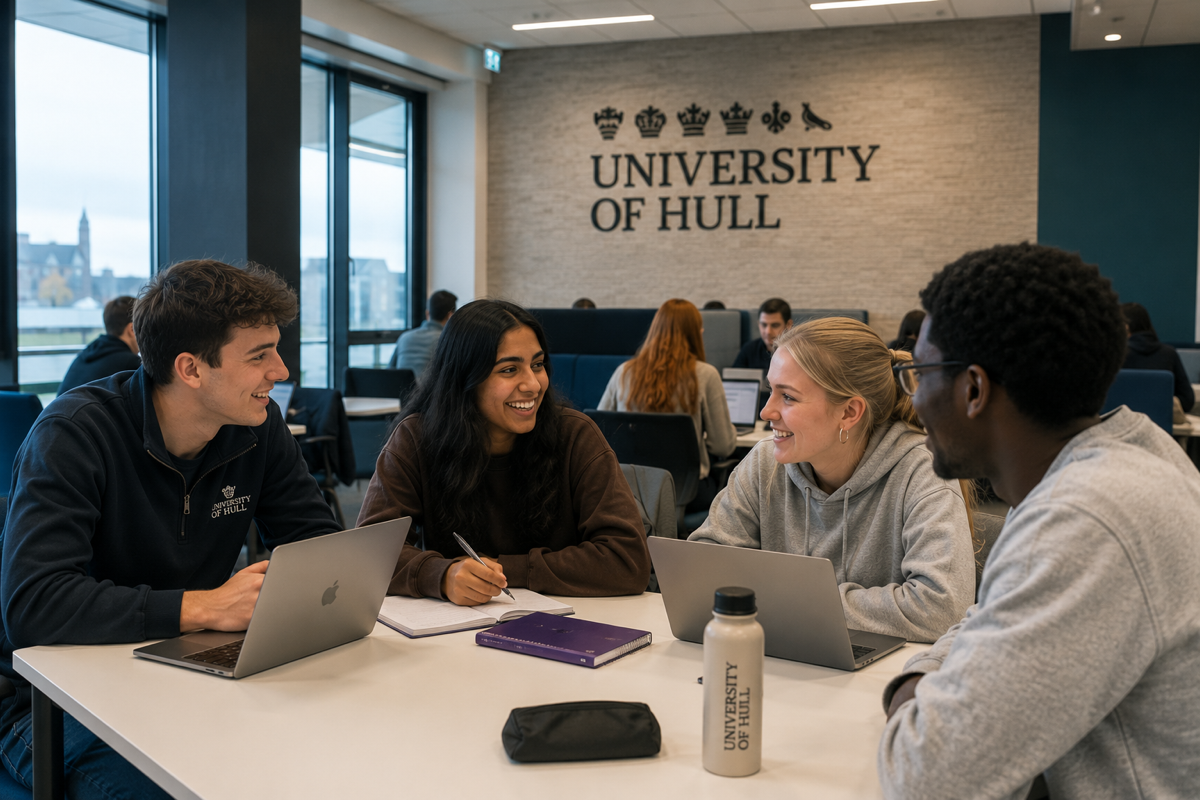
Similarly Ranked Alternatives
What comes next? 🎓
Choosing the right university starts with choosing the right school. Explore transparent, data-driven school profiles powered by official DfE statistics.
Explore Schools on WhatSchool.ai →