High Drop-out Rate Alert
25% of students drop out or transfer from this specific course. Consider asking why on an open day.
BSc Psychology (Sport, Health and Exercise) with Placements
About this course
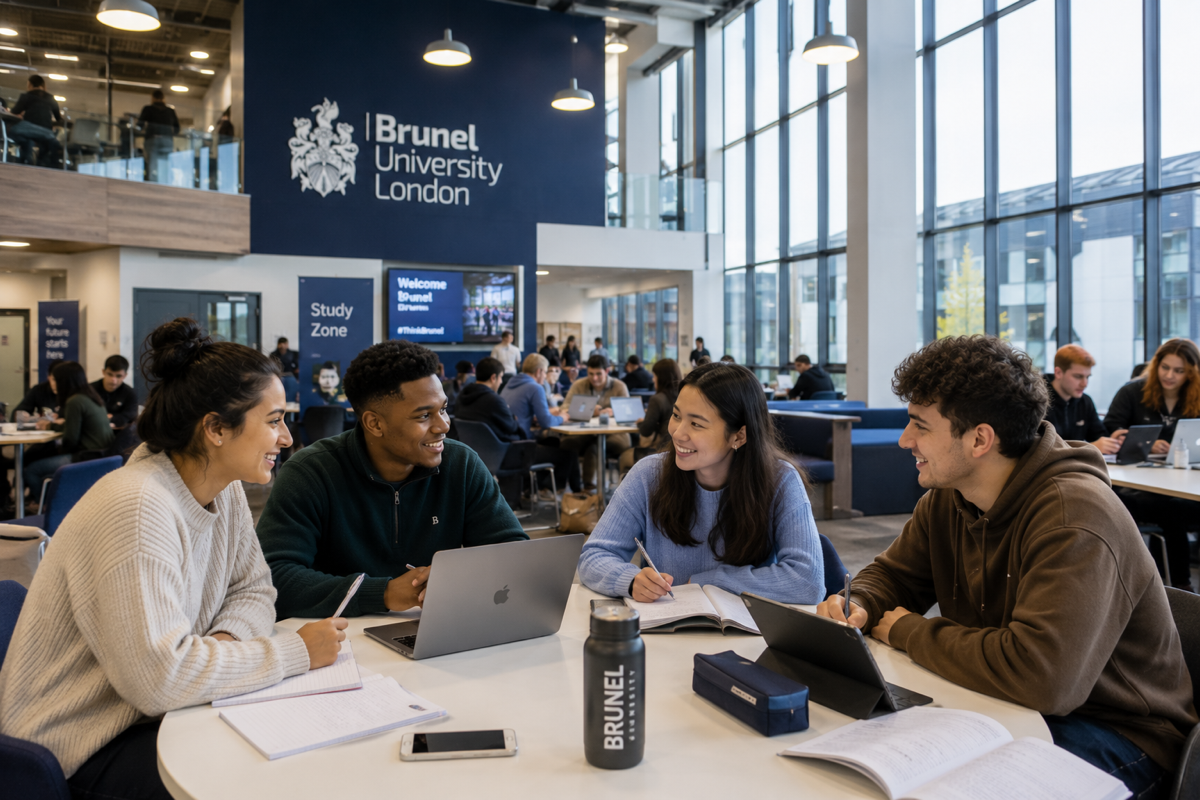
Sport, health, and exercise psychology is an applied branch of psychology concerned with understanding and improving psychological functioning in sporting, physical activity, and health-related contexts. It examines how mental processes including motivation, attention, confidence, and emotion regulation affect performance and participation, and conversely how physical activity and sport affect psychological wellbeing. The field has grown rapidly as professional sport has recognised the importance of psychological preparation alongside physical training, and as public health bodies have documented the mental health benefits of exercise. The four-year full-time Psychology (Sport, Health and Exercise) with Placements programme at Brunel University London is designed for students interested in careers at the intersection of mind and body. You will study the foundational science of psychology, including research methods, social psychology, cognitive psychology, and biological psychology, alongside the specific theories and applied methods relevant to sport and exercise contexts: performance optimisation, motivation and self-determination, group dynamics in teams, mental health and physical activity, and the psychology of rehabilitation and injury. The placements built into the programme give you direct professional experience in applied settings, whether in sports organisations, health services, or exercise and fitness contexts, which is essential for a field where practical competence and client skills matter as much as theoretical knowledge. With a typical entry tariff of 136 points, the programme is well suited to students who want to combine scientific rigour with practical application. Graduates pursue careers as sport psychologists following further training, in clinical and health psychology pathways, in coaching and performance support, in exercise referral and public health roles, and in sports management and development. Many also proceed to postgraduate study in sport and exercise psychology or related health sciences.
Syllabus & Modules
Typical curriculumStudent Satisfaction
National Student Survey - 20 respondents (73% response rate)
Similarly Ranked Alternatives



What comes next? 🎓
Choosing the right university starts with choosing the right school. Explore transparent, data-driven school profiles powered by official DfE statistics.
Explore Schools on WhatSchool.ai →