MA Psychology and Sustainable Development
About this course
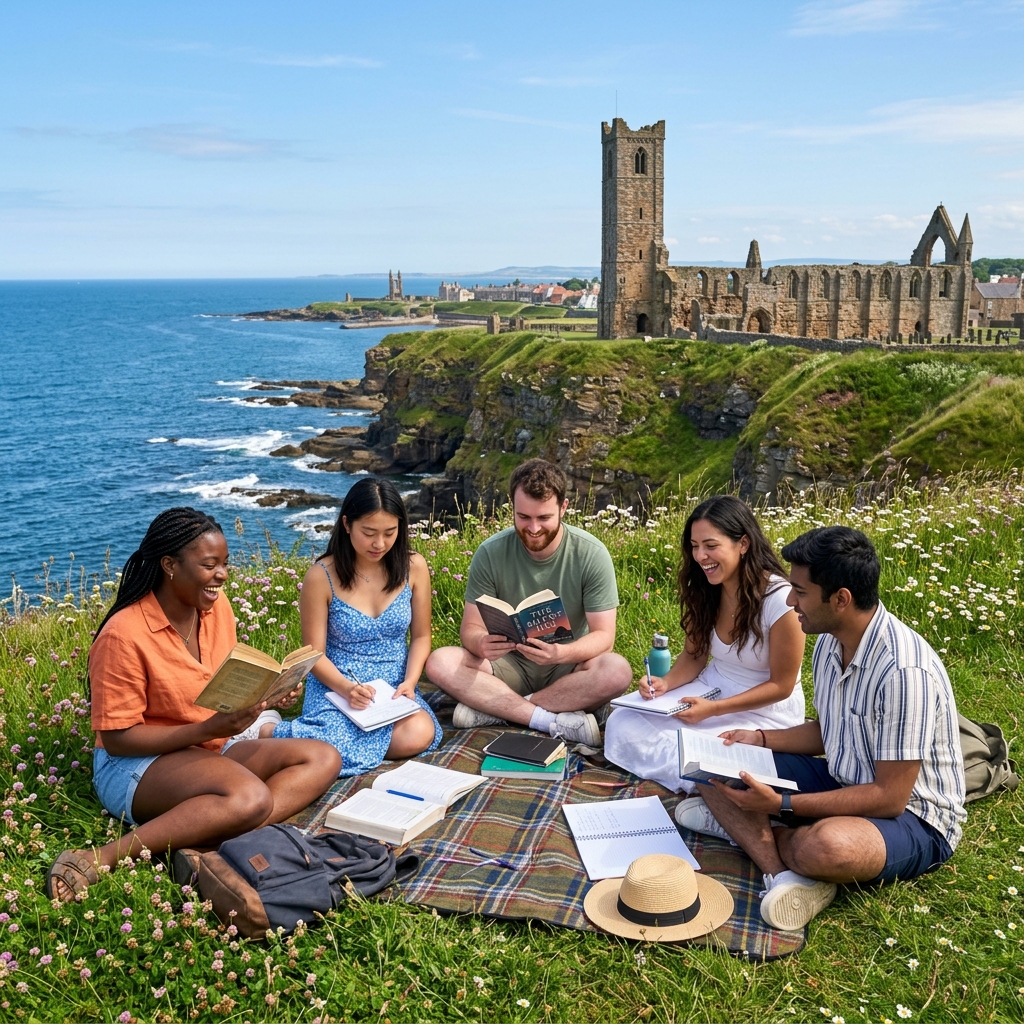
Psychology and sustainable development is a genuinely innovative combination, recognising that many of the most important challenges in sustainability are not primarily technical but human: why people make the decisions they do, how behaviour can be changed at scale, and what motivates or inhibits the shifts in individual and collective action that a sustainable future requires. Psychology provides the scientific tools to understand these questions rigorously, while sustainable development brings the applied context of environmental, social, and economic sustainability that gives psychological insight its urgency. At the University of St Andrews, this four-year full-time MA (Hons) programme introduces you to the broad range of areas studied by psychologists, including perception, cognition, motivation, and behaviour, grounding you in the theoretical foundations and modern developments of contemporary psychology. Alongside this, you will engage with the principles and challenges of sustainable development, exploring how human behaviour at individual and collective levels intersects with environmental and social sustainability. Practical classes and research techniques are central from the start, and a year abroad is built into the programme, broadening your academic and personal perspective. Graduates from psychology and sustainable development programmes are well placed for careers that sit at the boundary of human behaviour and environmental challenge. Roles in behavioural change consultancy, sustainability strategy, environmental charities, public health, government and policy, international development, and research are all natural destinations. The psychological dimension also opens pathways in occupational psychology, education, and a wide range of roles where understanding human behaviour is central. Postgraduate study in psychology, environmental psychology, sustainable development, or policy is a natural continuation for those who wish to develop specialist expertise.
Syllabus & Modules
Typical curriculumStudent Satisfaction
National Student Survey - 80 respondents (63% response rate)
Similarly Ranked Alternatives

What comes next? 🎓
Choosing the right university starts with choosing the right school. Explore transparent, data-driven school profiles powered by official DfE statistics.
Explore Schools on WhatSchool.ai →