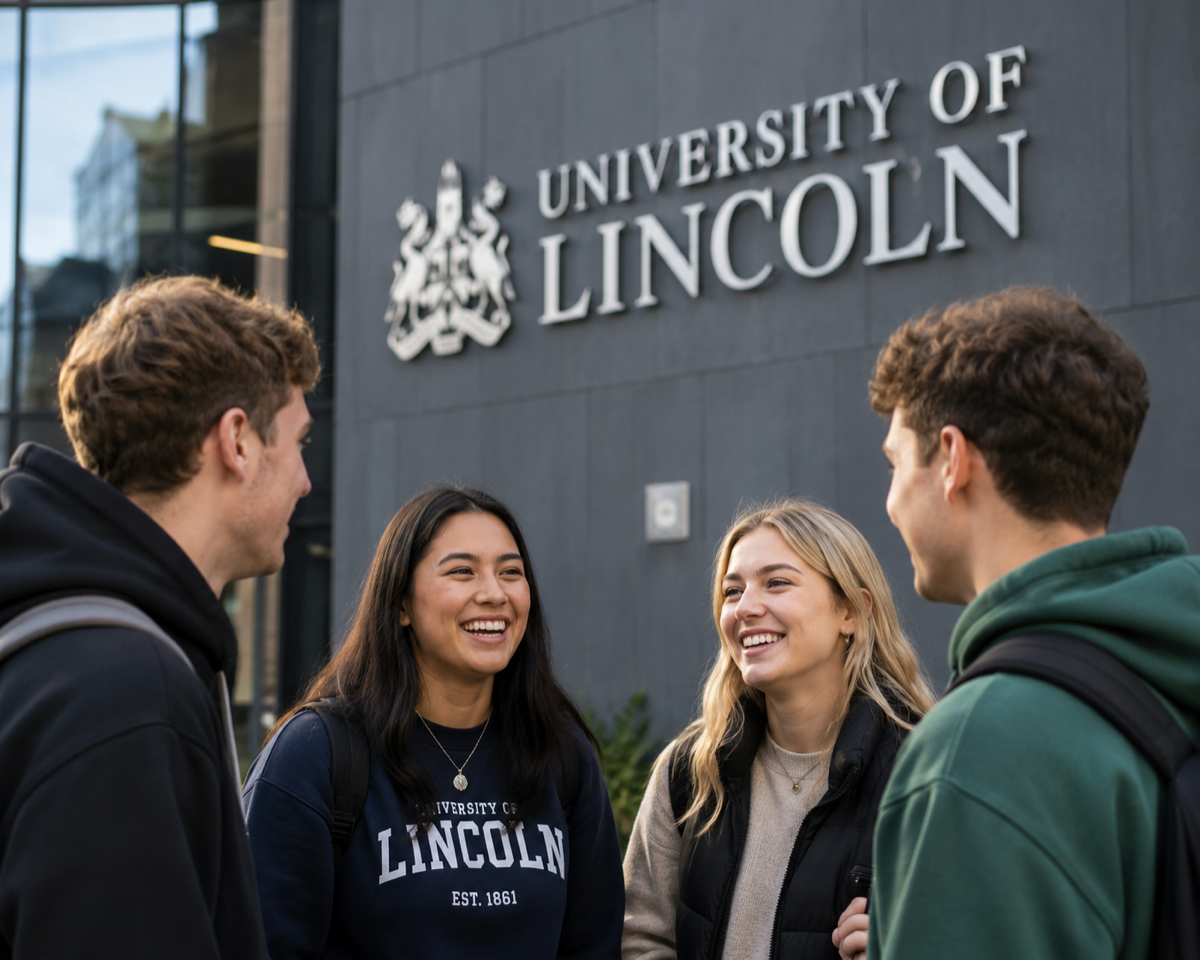
BSc Psychology and Inclusive Education
About this course
Psychology and inclusive education brings together two disciplines with a shared concern for understanding how people learn, develop, and thrive, and what can be done when conventional environments fail to meet the needs of all learners. Psychology provides the scientific frameworks for understanding cognitive, emotional, and social development, including how individual differences in learning, attention, language, and behaviour arise and what they mean for educational practice. Inclusive education adds the pedagogical and policy dimension, examining how educational environments can be designed and adapted to support all children and young people, including those with additional learning needs, disabilities, or other characteristics that may affect their experience of school. At the University of Lincoln, this part-time programme addresses directly the real variation in how children and young people develop, learn, and experience the world, as the current description reflects. It is a degree concerned with understanding those differences and knowing how to respond to them, which captures the applied orientation of the programme. You will develop knowledge in developmental psychology, educational psychology, special educational needs, and inclusive practice, alongside the research methods needed to evaluate evidence and understand the basis for effective educational interventions. The combination prepares you to think both scientifically about individual differences and practically about how educational settings can better support all learners. The programme includes a sandwich year and work placement, giving you the opportunity to apply your learning in educational, psychological, or related professional settings. This direct professional experience is particularly valuable for students planning careers that involve working directly with children and young people. Graduates from psychology and inclusive education programmes pursue careers in educational psychology (typically requiring further postgraduate training), special educational needs support and coordination, teaching (with additional qualification), early years practice, learning support, social work, and research in education and child development. Postgraduate study in educational psychology, special educational needs, or related fields is a common route for those seeking professional registration or specialist expertise.
Syllabus & Modules
Typical curriculumStudent Satisfaction
Missing Satisfaction Data
The university has not shared complete student satisfaction records for this specific degree metrics block. You may want to formally explore these topics with the university staff at an open day before committing.
What comes next? 🎓
Choosing the right university starts with choosing the right school. Explore transparent, data-driven school profiles powered by official DfE statistics.
Explore Schools on WhatSchool.ai →