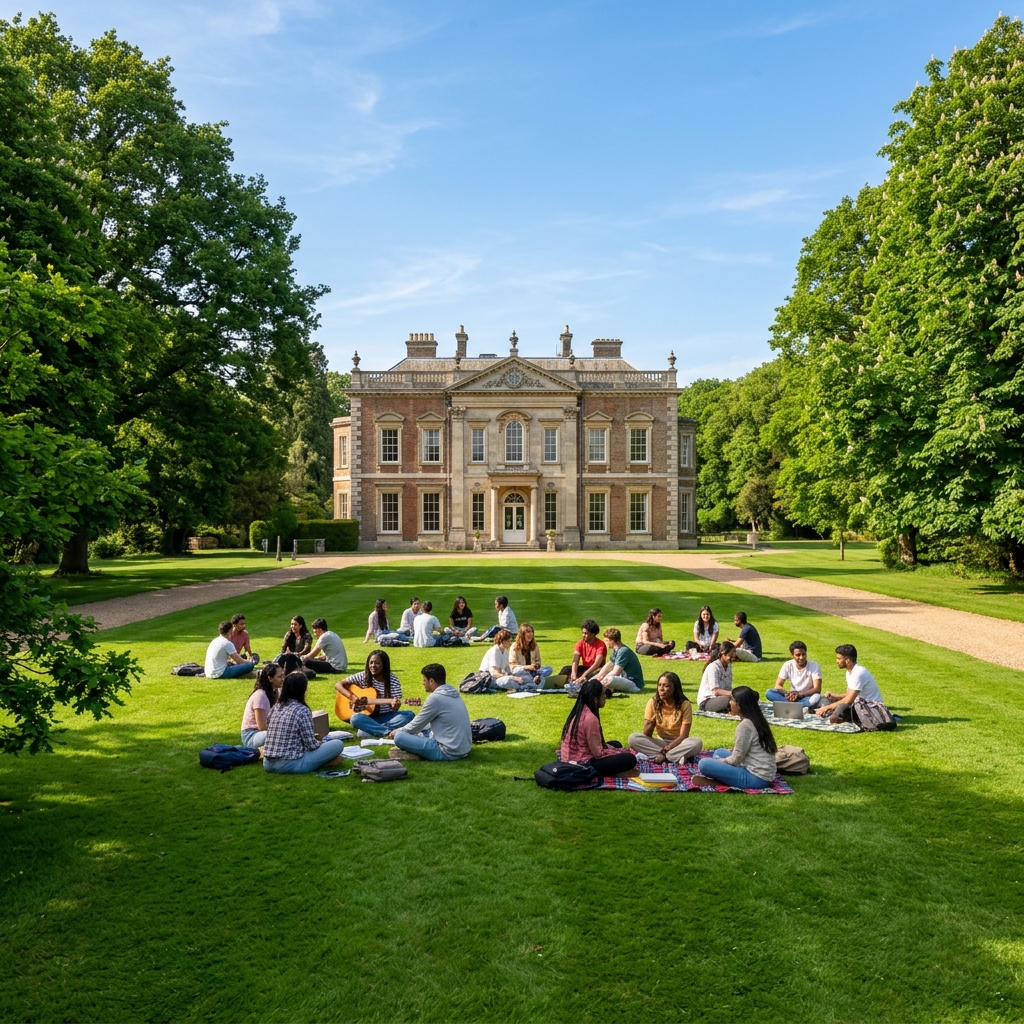
BSc Psychology and Education Practice
About this course
Psychology and education practice is a combination that applies the science of mind and behaviour directly to the contexts in which learning happens. Understanding how children and adults learn, what motivates engagement and effort, how emotional wellbeing affects academic performance, and what the research evidence says about effective teaching and educational practice are all questions that this combination addresses. At Roehampton University, the BSc Psychology and Education Practice is a three-year full-time programme that includes a foundation year, a sandwich year, and work placement, giving you a well-supported route into the degree and extensive professional experience alongside your academic studies. The psychology strand develops your scientific understanding of human behaviour and mental processes: cognitive development, social influences on learning, motivation, emotional regulation, individual differences, and the research methods that psychologists use to investigate these phenomena. The education practice strand develops your understanding of how schools and educational institutions operate, how curriculum and pedagogy are designed and evaluated, and how different learners can be supported to thrive. Together, the two subjects develop the kind of evidence-informed perspective on educational practice that is increasingly valued in teaching, educational psychology, and the wider range of professionals who work with children and young people. The work placement provides direct experience of educational or related settings. Graduates of psychology and education practice programmes move into a range of careers in and around education and the helping professions. Teaching is a natural pathway, and the degree provides a strong academic foundation for subsequent teacher training. Educational psychology is another direction, requiring postgraduate training, for which the psychology component of this degree provides an appropriate foundation. Other career paths include educational support work, special educational needs coordination, youth work, social work, family support, and research roles in educational and psychological settings. Some graduates go on to postgraduate study in educational psychology, counselling psychology, or specialist education qualifications. The combination of psychological understanding and practical education knowledge that Roehampton's programme develops prepares graduates for careers where supporting the development and wellbeing of children and young people is the central aim.
Syllabus & Modules
Typical curriculumStudent Satisfaction
National Student Survey - 95 respondents (63% response rate)
Similarly Ranked Alternatives
What comes next? 🎓
Choosing the right university starts with choosing the right school. Explore transparent, data-driven school profiles powered by official DfE statistics.
Explore Schools on WhatSchool.ai →