High Drop-out Rate Alert
27% of students drop out or transfer from this specific course. Consider asking why on an open day.
BA Politics, Philosophy, and Economics
About this course
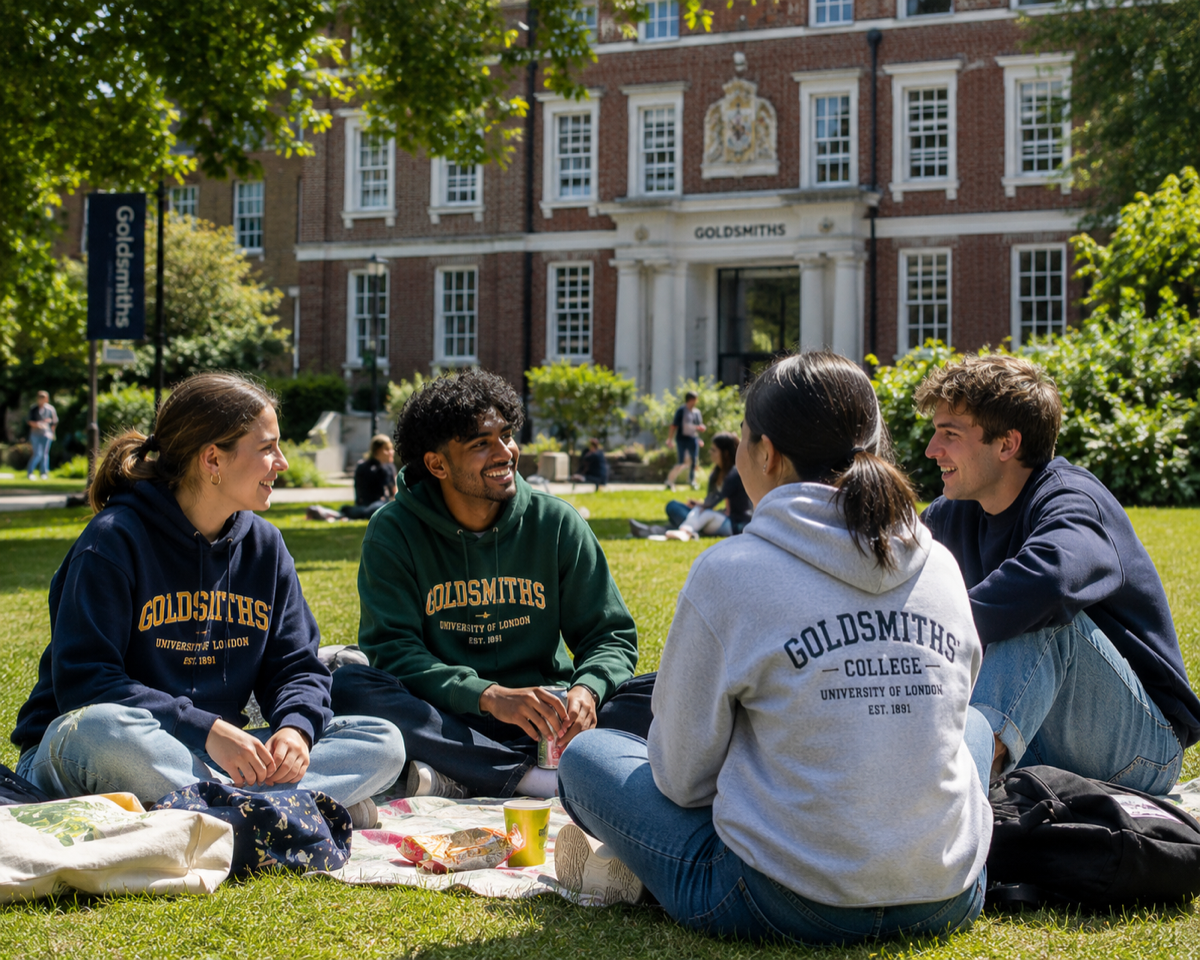
Politics, philosophy and economics is one of the most intellectually demanding and professionally prestigious undergraduate degree combinations available, bringing together three disciplines that are essential to understanding how societies are governed, what values should guide public life and how material resources are allocated and economies function. The combination is synergistic in a deep way: political analysis is sharpened by philosophical rigour and economic understanding; economic reasoning is enriched by philosophical scrutiny of its assumptions; philosophical ethics becomes more tractable when applied to concrete political and economic choices. At Goldsmiths in London, this three-year programme takes a challenging and ground-breaking approach to these questions, as the university describes it, exploring how the economy is governed, how public policy gets made and what ideas shape the world. Goldsmiths is known for its critical, interdisciplinary and socially engaged intellectual culture, which gives the PPE programme a distinctive character: you will encounter perspectives that question mainstream assumptions in economics and politics rather than simply accepting them, and you will engage with the full breadth of political philosophy from the classics to contemporary debates. The degree develops your ability to analyse institutions and policies with rigour, to reason about values and trade-offs and to communicate complex arguments to diverse audiences. London provides an exceptional context for studying politics, economics and philosophy: the proximity to Parliament, financial institutions, think tanks and cultural organisations makes the questions the degree addresses immediately live rather than purely academic. Graduates go on to careers in government, policy analysis, law (with further training), finance, consulting, journalism, think tanks, the civil service, international organisations and academia. Further study in politics, philosophy, economics or public policy is a common route.
Syllabus & Modules
Typical curriculumStudent Satisfaction
National Student Survey - 35 respondents (54% response rate)
Similarly Ranked Alternatives
What comes next? 🎓
Choosing the right university starts with choosing the right school. Explore transparent, data-driven school profiles powered by official DfE statistics.
Explore Schools on WhatSchool.ai →