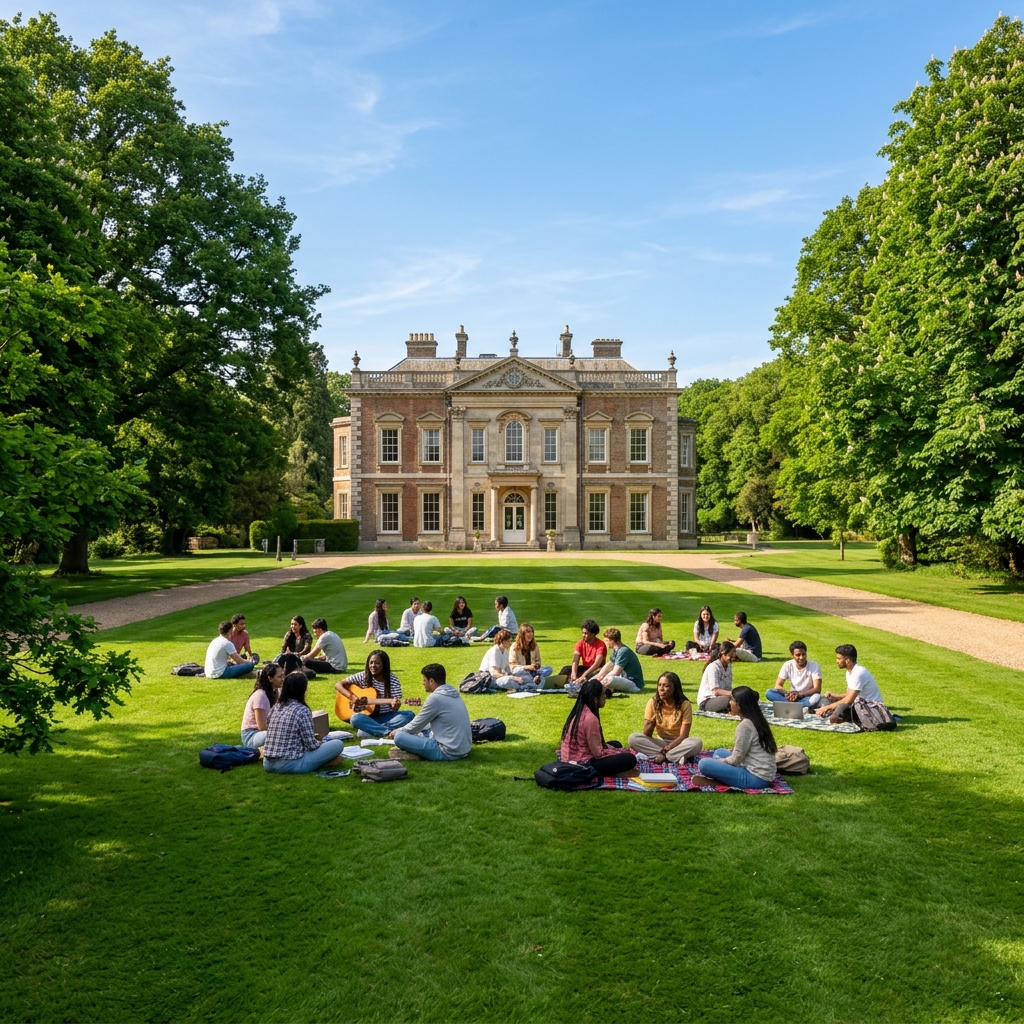
BA Politics, International Relations, and History
About this course
Politics, international relations, and history together form one of the most powerful combinations for making sense of the world we inhabit. History provides the deep temporal dimension, tracing how the present emerged from past decisions, conflicts, and structures. Politics examines the institutions and ideologies through which power is exercised today. International relations extends this to the global arena, asking how states, organisations, and peoples manage their relationships across borders. Bringing all three together gives you analytical tools that are grounded in evidence, sensitive to context, and genuinely useful for understanding contemporary events. At the University of Roehampton this three-year, full-time programme includes a foundation year for students who want a more supported introduction to degree-level study. The programme explores how power has been exercised, challenged, and reimagined from the emergence of global capitalism in the nineteenth century to the political, social, and environmental challenges shaping the world today. You will engage with the history of modern states and empires alongside political theory and contemporary international affairs, developing your capacity for critical analysis, historical research, and persuasive argument across all three disciplines. Graduates move into careers across politics, government, the civil service, journalism, international development, policy research, education, and the third sector. The combination of historical depth, political analysis, and international awareness is valued by employers in a wide range of organisations, from think tanks and NGOs to the Foreign Office, multinational companies, and media organisations. Many graduates continue to postgraduate study in history, politics, international relations, or law, building towards specialist academic or professional careers in areas such as security studies, human rights, or international law. The foundation year makes this programme accessible to students who want to develop their academic preparation before committing fully to the degree.
Syllabus & Modules
Typical curriculumStudent Satisfaction
National Student Survey - 120 respondents (66% response rate)
Similarly Ranked Alternatives

What comes next? 🎓
Choosing the right university starts with choosing the right school. Explore transparent, data-driven school profiles powered by official DfE statistics.
Explore Schools on WhatSchool.ai →