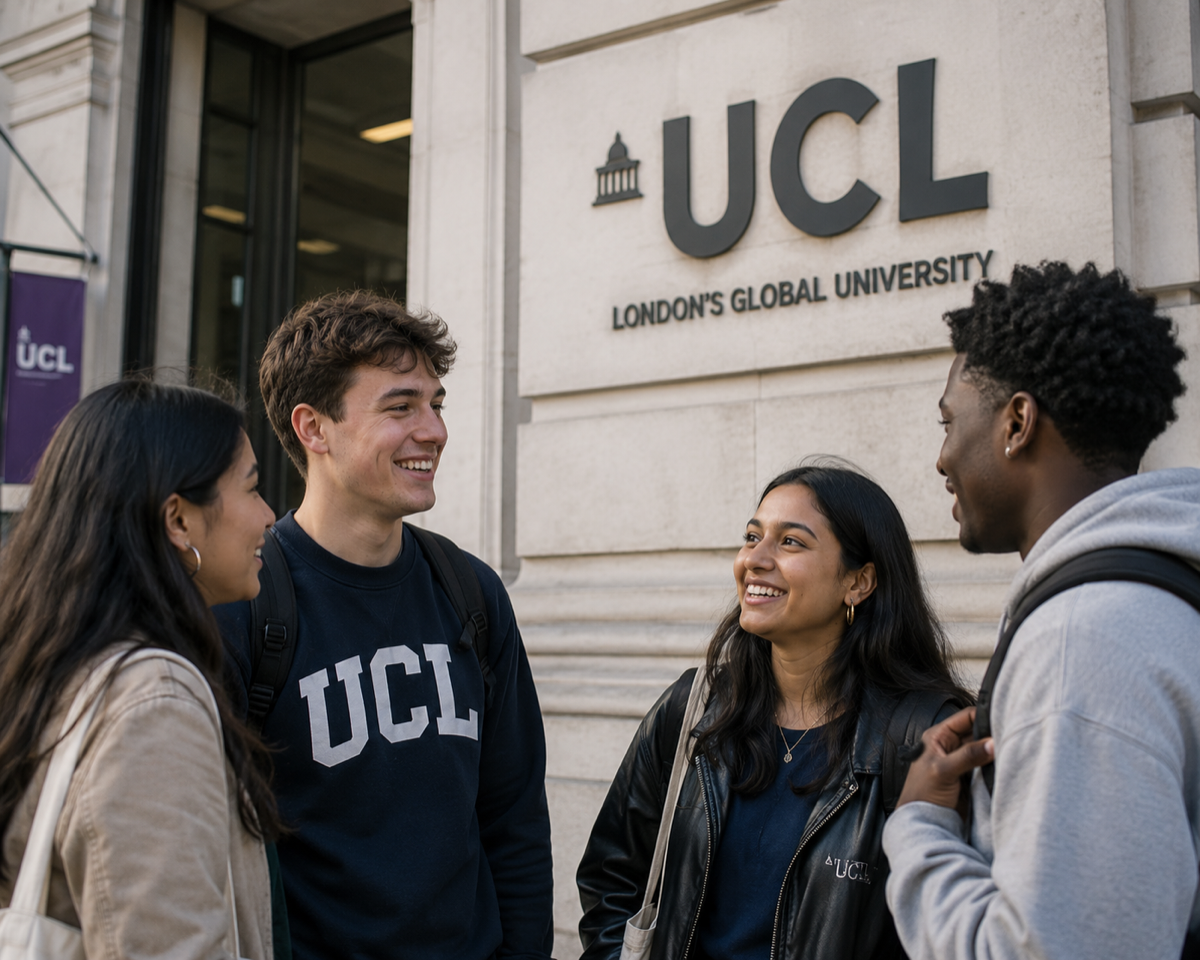
BA Polish and Serbian-Croatian
About this course
Polish and Serbian-Croatian is an unusual and intellectually rewarding combination, bringing together two closely related but distinct Slavic languages with their own rich literary, cultural, and historical traditions. Polish is the most widely spoken western Slavic language, with over 40 million speakers, and Polish literature encompasses a tradition that includes some of the most important voices in European writing, from the Romantic poets through to the Nobel laureates of the twentieth century. Serbian and Croatian, while closely related, open up the literatures, histories, and cultures of the former Yugoslavia and the western Balkans, a region whose twentieth-century experience has been among the most dramatic and contested in European history. At University College London, this four-year, full-time joint honours BA divides equally between your two languages. You will study all aspects of each language, including speaking, listening, reading, writing, and translation, and you will also engage with cultural topics including literature, history, film, linguistics, and politics in both traditions. The wide range of modules available allows you to tailor the degree to your developing interests. Your third year is a year abroad, divided between countries where each of your languages is spoken, giving you immersive linguistic experience and a depth of cultural understanding that can only come from being there. The typical entry tariff is 152 UCAS points. Graduates from Polish and Serbian-Croatian programmes bring a distinctive and rare combination of linguistic competence to the job market. Translation and interpreting, journalism, the foreign office and diplomatic service, international organisations, academia, publishing, cultural institutions, and roles in the Polish and Balkan diaspora communities are all natural destinations. Many graduates pursue postgraduate study in Slavic languages, translation, linguistics, or area studies, while others move directly into professional roles where their languages give them a significant advantage.
Syllabus & Modules
Typical curriculumStudent Satisfaction
National Student Survey - 100 respondents (70% response rate)
What comes next? 🎓
Choosing the right university starts with choosing the right school. Explore transparent, data-driven school profiles powered by official DfE statistics.
Explore Schools on WhatSchool.ai →