BA Multimedia Journalism (with Foundation Year)
About this course
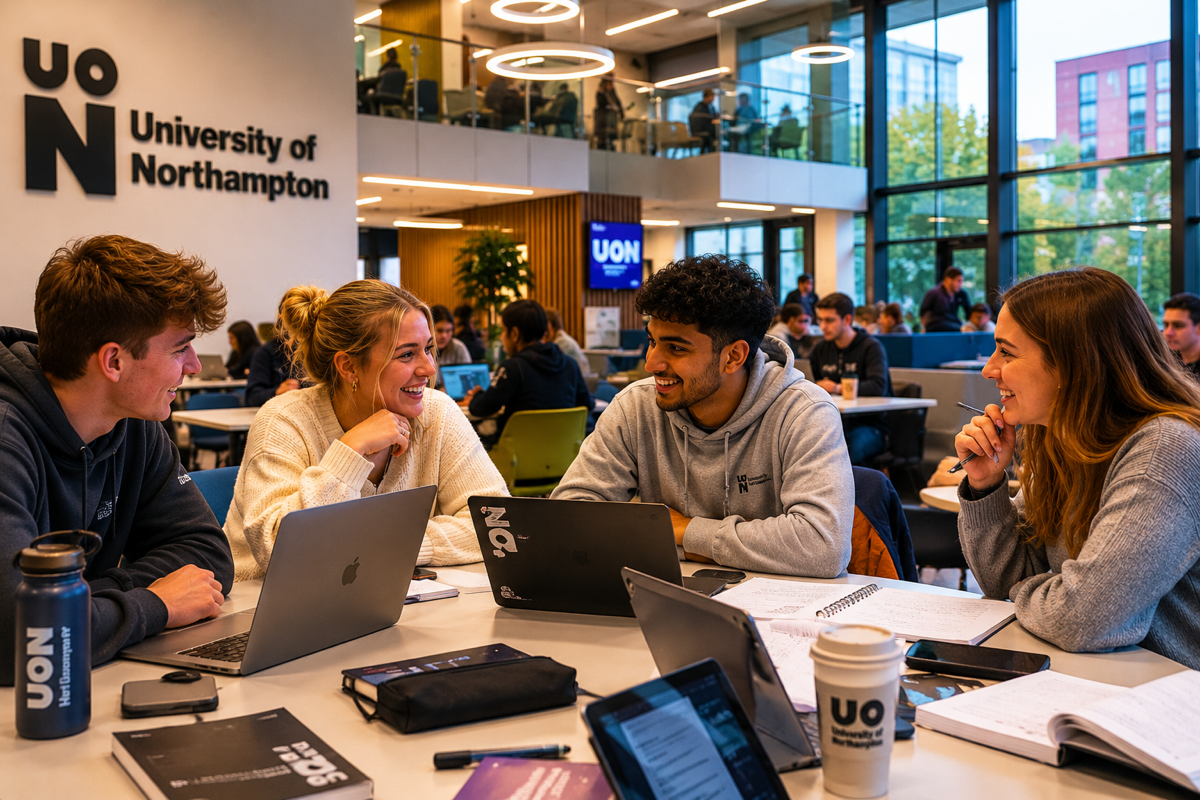
Journalism has never been more important or more contested. In a media environment defined by digital platforms, the fragmentation of audiences, and persistent questions about trust and misinformation, the ability to gather information rigorously, verify it carefully, and present it clearly across multiple formats is a genuinely valuable professional skill. Multimedia journalism reflects the reality of the contemporary media landscape, where practitioners must be equally comfortable writing for the web, recording audio, shooting and editing video, and engaging with social media audiences. At the University of Northampton, this four-year full-time programme includes a foundation year at the outset, which offers an accessible and well-supported entry route for ambitious and driven students who are ready to learn and develop their skills, including those who may not have followed a conventional route through to higher education. You will study the principles of news gathering, story identification, interviewing, and verification alongside the technical skills of producing content for print, broadcast, and digital outlets. Media law and ethics are woven into the curriculum, ensuring that you understand the legal and professional framework within which journalists operate and the responsibilities that come with the power to inform public opinion. You will also engage with the broader context of media industries, understanding how journalism is funded, organised, and distributed in the contemporary environment. The typical entry tariff is 72 UCAS points, and the programme is studied full time. Graduates from multimedia journalism programmes enter careers in online and print media, broadcast journalism, content creation, public relations, communications, and digital marketing. Many work in local and regional media, national outlets, specialist publications, or as freelancers across multiple platforms. Further study options include postgraduate journalism qualifications and masters degrees in media and communications.
Syllabus & Modules
Typical curriculumStudent Satisfaction
National Student Survey - 15 respondents (74% response rate)
Similarly Ranked Alternatives

What comes next? 🎓
Choosing the right university starts with choosing the right school. Explore transparent, data-driven school profiles powered by official DfE statistics.
Explore Schools on WhatSchool.ai →