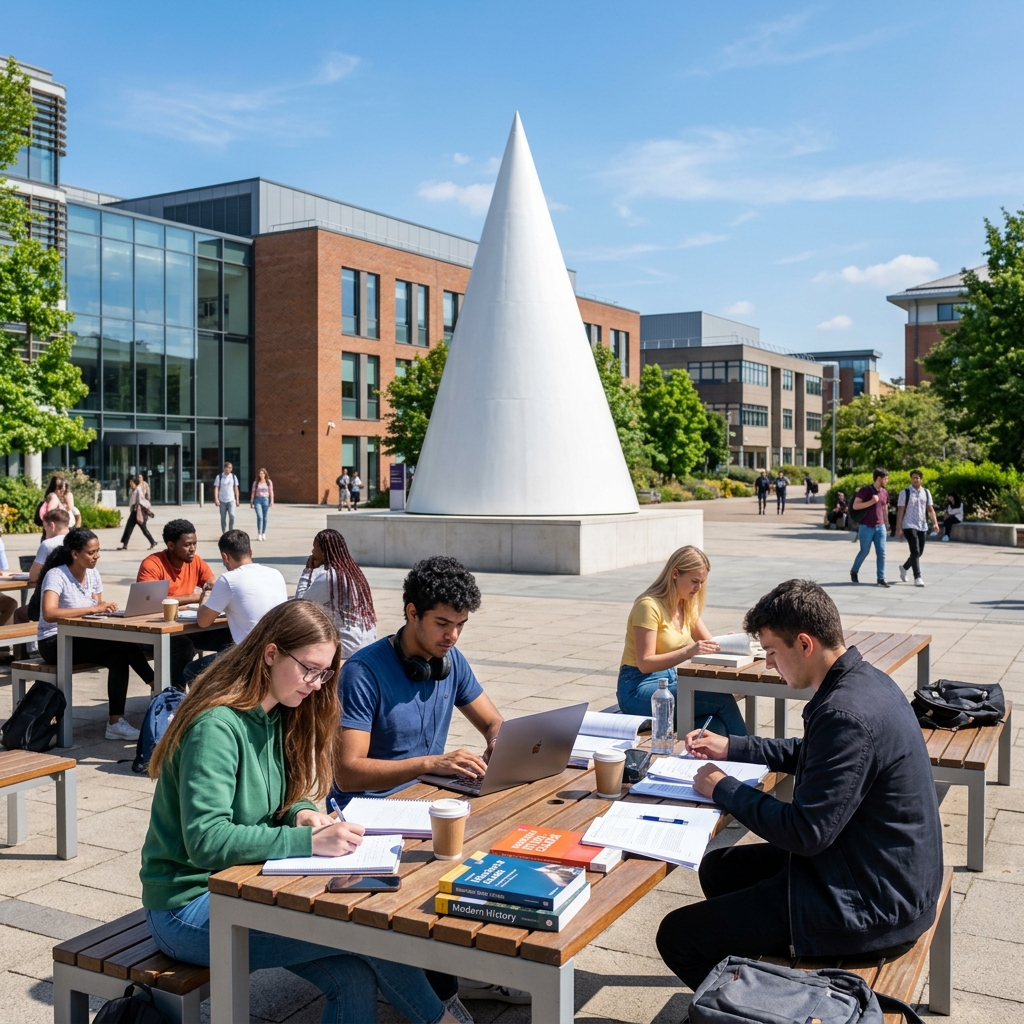
BA Modern Languages with Linguistics
About this course
Modern languages with linguistics combines the deep cultural and literary engagement of language study with the scientific analysis of language as a human faculty and social phenomenon. Modern languages develops high-level proficiency in one or more foreign languages alongside knowledge of the literatures, histories, and cultures associated with those languages, training you to engage with other societies on their own terms and to communicate effectively across cultural boundaries. Applied linguistics examines language as a system, asking how it is structured, how it is acquired and processed, how it varies socially and geographically, and how it can be analysed to understand and solve real-world problems of communication, education, language policy, and intercultural interaction. At the University of Warwick, this four-year full-time degree allocates approximately three-quarters of the programme to modern languages and one-quarter to applied linguistics, ensuring that genuine language proficiency remains central while the linguistic component adds analytical and applied depth. You will develop specialist language competence alongside an interdisciplinary foundation in language and communication research, drawing on leading scholarship to explore, challenge, and understand problems of real-world language use. A sandwich year with work placement gives you professional experience in a multilingual or linguistics-related context, connecting your academic learning to applied professional practice. Graduates of this combination are well prepared for careers in language teaching, translation and interpreting, language policy, international business, media and communications, academic research in linguistics, and roles requiring both language competence and analytical understanding of how communication works. The combination of cultural knowledge, language proficiency, and scientific analysis of language is valued in education, international organisations, publishing, digital content, and the growing field of language technology. Many graduates continue to postgraduate study in linguistics, applied linguistics, translation studies, or a language, building specialist expertise for academic or professional careers.
Syllabus & Modules
Typical curriculumStudent Satisfaction
National Student Survey - 10 respondents (100% response rate)
Similarly Ranked Alternatives




What comes next? 🎓
Choosing the right university starts with choosing the right school. Explore transparent, data-driven school profiles powered by official DfE statistics.
Explore Schools on WhatSchool.ai →