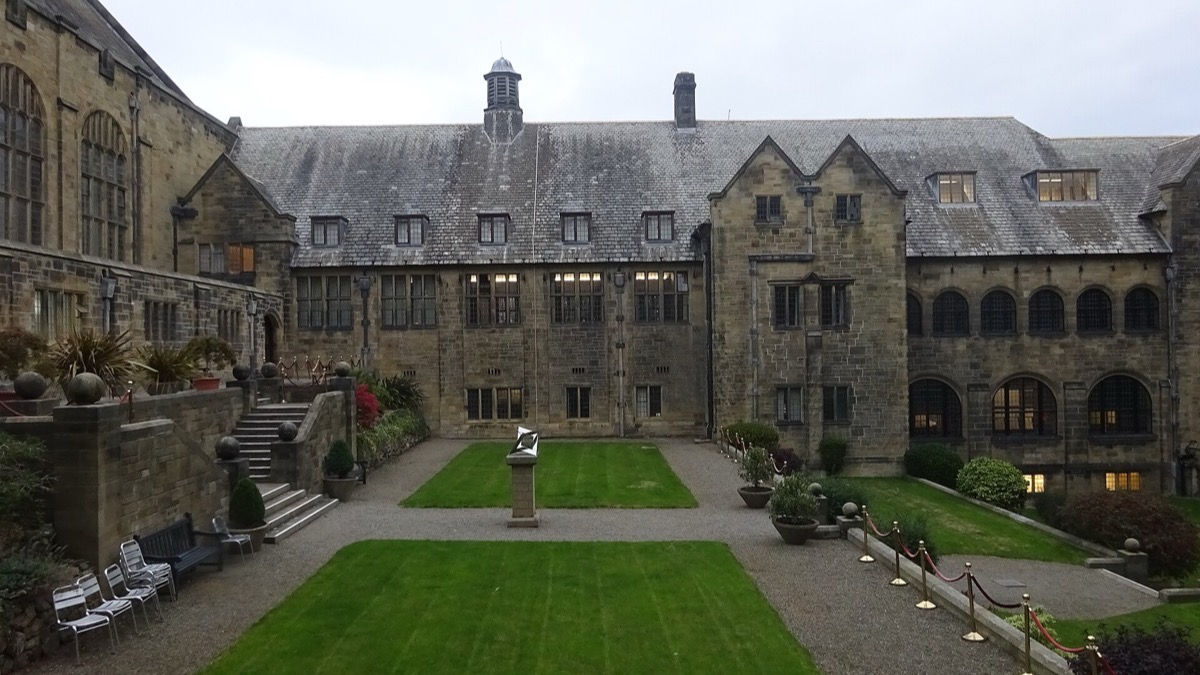
BA Modern Languages And History
About this course
Modern languages and history are disciplines that complement each other with a naturalness that is hard to overstate. Languages give you direct access to the cultures, literatures, and historical sources of the communities you are studying; history provides the framework within which literary and cultural texts make sense and within which linguistic change can be understood. Together they produce a degree with genuine intellectual depth, one that trains you to read closely, think analytically, and write with precision and clarity. At Bangor University this four-year programme includes a foundation year option for students who need an additional preparatory stage before the main degree curriculum. The programme includes a sandwich year and a work placement, giving you professional experience alongside your academic study. You will develop your chosen language to a high level, reading literary and historical texts in the original and developing the speaking and writing skills that allow you to engage fully with the culture and intellectual life of the countries where your language is spoken. Your history studies will take you across a range of periods and themes, developing your skills in source analysis, historical argument, and the critical evaluation of competing accounts of the past. Graduates of modern languages and history bring an unusual combination to the labour market: linguistic competence, cultural knowledge, and the analytical and research skills of the historian. Careers include roles in translation and interpreting, journalism, broadcasting, the civil service and the foreign service, education, heritage, museum and archival work, publishing, and a wide range of international business and organisational roles where language skills add direct value. Postgraduate study in history, languages, translation, cultural studies, or education is a common next step for those who wish to develop specialist expertise or pursue academic research.
Syllabus & Modules
Typical curriculumStudent Satisfaction
National Student Survey - 25 respondents (79% response rate)
Similarly Ranked Alternatives

What comes next? 🎓
Choosing the right university starts with choosing the right school. Explore transparent, data-driven school profiles powered by official DfE statistics.
Explore Schools on WhatSchool.ai →