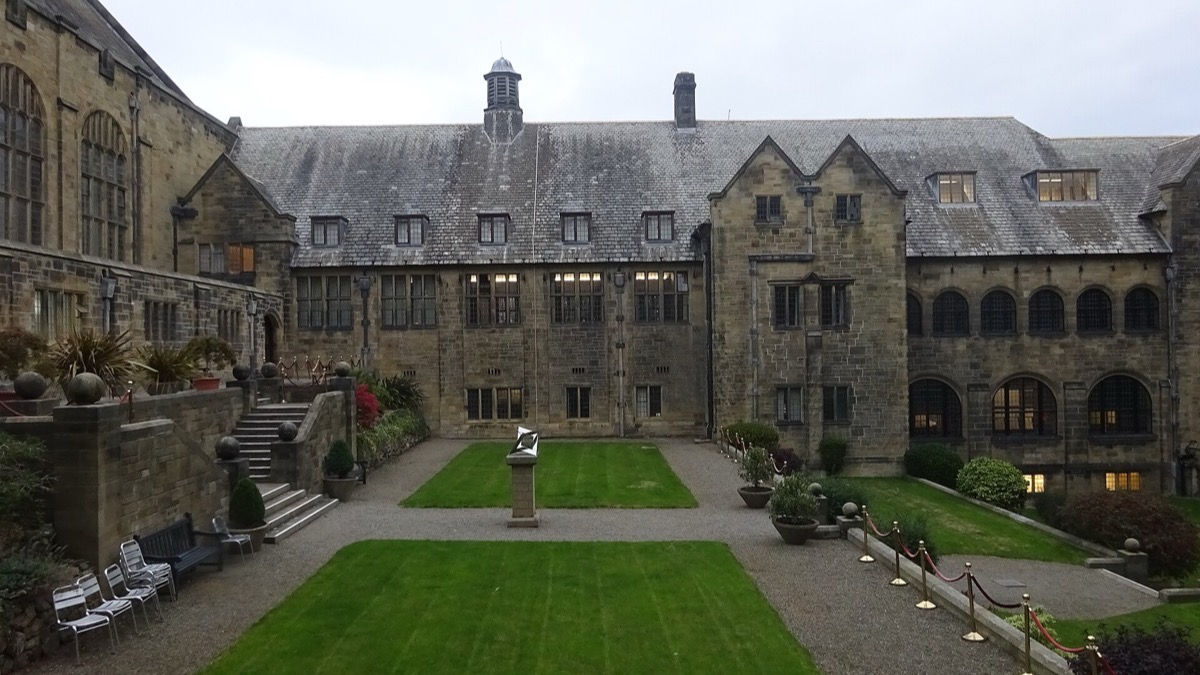
BA Modern Languages And English Literature
About this course
Modern languages and English literature is a combination that develops your engagement with language, literature, and culture across multiple national and historical traditions. Modern languages equip you with genuine fluency in at least one language beyond English, giving you direct access to the literature, culture, and contemporary realities of another country or linguistic community. English literature develops your ability to read and think critically about writing in English, from the medieval to the contemporary, situating texts within their historical and cultural contexts and engaging with the full richness of the Anglophone literary tradition. Together they produce graduates with unusual multilingual and multicultural breadth. This four-year, full-time programme at Bangor University includes a foundation year for those who need additional preparation before the main degree content, as well as a placement year that gives you professional experience in a language-related or literary context. The combination of languages and English literature at Bangor benefits from the university's distinctive Welsh context, with the Welsh language and Welsh literary tradition often providing an additional dimension to the cultural and linguistic environment. You will develop your chosen language or languages to an advanced level alongside your English literature studies, building the comparative and cross-cultural perspective that the combination naturally produces. Graduates pursue careers in translation and interpreting, teaching, publishing, journalism, the cultural sector, and international business. The combination of literary analytical skills and language fluency is valued across a range of professional contexts, and the breadth of the degree, spanning multiple cultural and linguistic traditions, gives graduates genuine intellectual range. Many graduates continue to postgraduate study in translation studies, modern languages, English, or comparative literature, pursuing academic careers or specialist professional expertise. The placement year adds practical experience that strengthens the graduate's professional profile in competitive fields.
Syllabus & Modules
Typical curriculumStudent Satisfaction
National Student Survey - 20 respondents (72% response rate)
Similarly Ranked Alternatives

What comes next? 🎓
Choosing the right university starts with choosing the right school. Explore transparent, data-driven school profiles powered by official DfE statistics.
Explore Schools on WhatSchool.ai →