MA Modern History and Social Anthropology
About this course
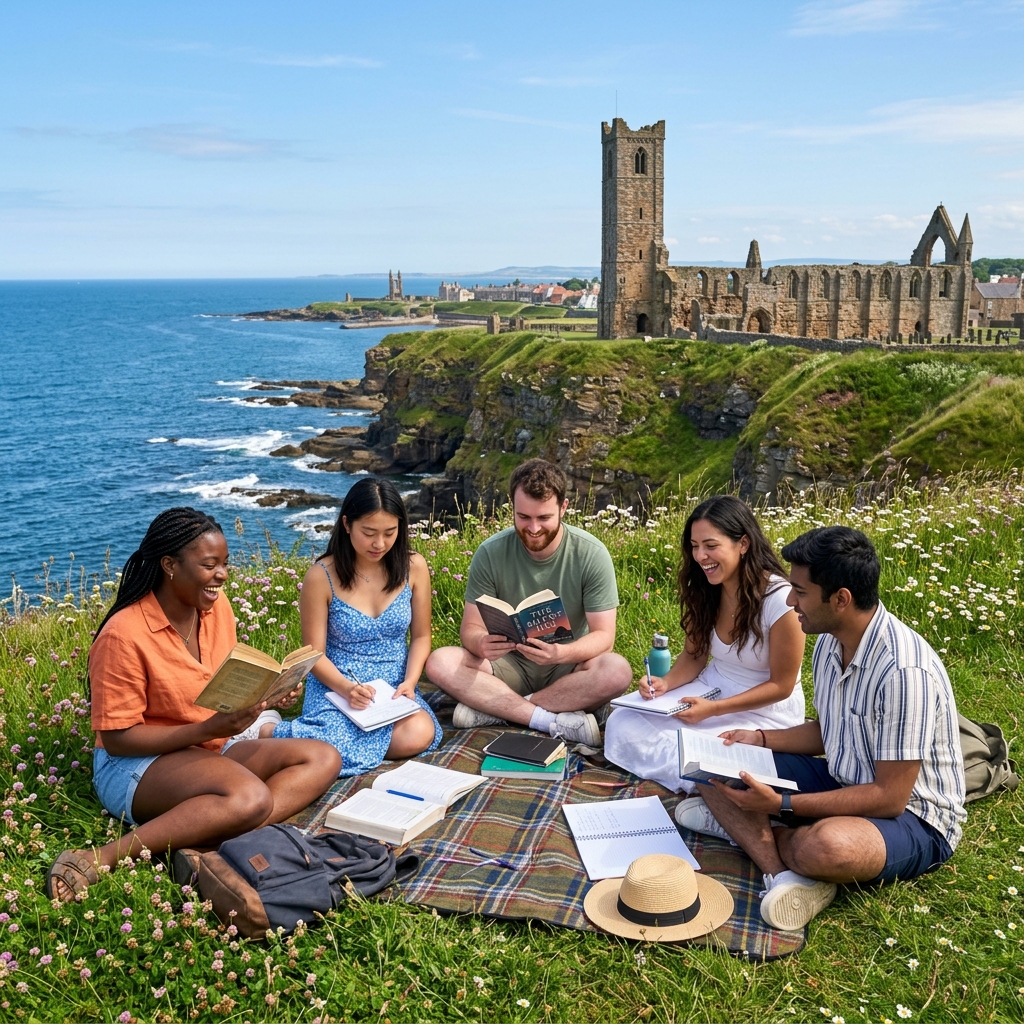
Modern history and social anthropology is a combination that asks you to engage with the recent human past and the diversity of human societies and cultures simultaneously. Modern history analyses events and processes from the past five centuries, examining political upheavals, social transformations, imperial expansion and contraction, wars, revolutions and the emergence of the contemporary world from a rigorous evidential perspective. Social anthropology asks how different human societies organise themselves, how they make meaning, and what a genuinely comparative understanding of humanity requires. Together they produce graduates who can think historically about culture and anthropologically about history. At the University of St Andrews you will study this four-year full-time programme, which includes a year abroad, giving you the opportunity to engage with history and anthropology in an international academic environment. The modern history programme at St Andrews covers a very broad chronological, geographical and thematic range, and you will choose from optional classes that reflect that breadth, engaging with whatever periods and themes suit your interests. Social anthropology adds a different mode of enquiry, one grounded in ethnographic research and comparative analysis, that opens up questions that historical approaches alone cannot fully address. The typical entry tariff for this programme is around 200 UCAS points, consistent with St Andrews' selective admissions. Graduates of this combination are well placed for careers that require cultural awareness, analytical rigour and the ability to engage with complex evidence from diverse contexts. International development, journalism, the civil service, diplomacy, NGOs, social research, community development, education and academia are all well-established destinations. Postgraduate study in anthropology, history, development studies, international relations or social policy is a natural progression for those who wish to pursue specialist professional or academic paths.
Syllabus & Modules
Typical curriculumStudent Satisfaction
National Student Survey - 40 respondents (68% response rate)
Similarly Ranked Alternatives


What comes next? 🎓
Choosing the right university starts with choosing the right school. Explore transparent, data-driven school profiles powered by official DfE statistics.
Explore Schools on WhatSchool.ai →