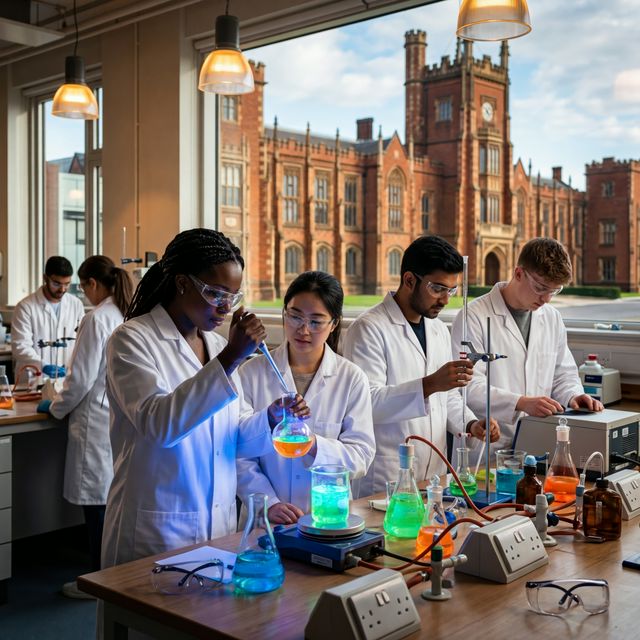
BSc Microbiology
About this course
Microbiology is the science of microorganisms, the vast and enormously diverse kingdom of life forms that includes bacteria, viruses, fungi, algae, and protozoa, and which profoundly shapes every aspect of life on Earth. Microorganisms are essential to the biosphere, driving the cycling of carbon, nitrogen, and other elements that sustain all living systems, and they are intimately connected to agriculture, food production, environmental processes, and human and animal health. The study of microbiology is simultaneously fundamental biology and urgently applied science: from the discovery of antibiotics and the development of vaccines to the engineering of microorganisms for biotechnology and the understanding of emerging infectious diseases, microbiologists have been central to some of the most consequential advances in human knowledge and wellbeing. At Queen's University Belfast, this three-year full-time degree develops a thorough and rigorous grounding in the science of microorganisms across the main domains of the discipline. You will study the biology of bacteria, fungi, viruses, and other microbes at the cellular and molecular level, alongside the ecological and environmental roles of microbial communities, the mechanisms of microbial disease and the body's responses to infection, the industrial and biotechnological applications of microorganisms, and the methods used to investigate them in laboratory and field settings. Practical laboratory skills are central to the degree, developing your ability to work safely and effectively with microorganisms using the methods that research and industry require. Microbiology graduates are in consistent demand across a range of industries and public services. Career pathways include roles in medical microbiology, clinical laboratories, pharmaceutical and biotechnology research, food microbiology and safety, environmental microbiology, water quality, agricultural science, and public health. The combination of biological knowledge and laboratory skills the degree provides is valued in research organisations, hospitals, food companies, environmental agencies, and life science businesses. Many graduates continue to postgraduate research in microbiology, infectious disease, virology, or related biomedical fields, building the specialist expertise needed for research and clinical laboratory careers.
Syllabus & Modules
Typical curriculumStudent Satisfaction
National Student Survey - 10 respondents (61% response rate)
Similarly Ranked Alternatives

What comes next? 🎓
Choosing the right university starts with choosing the right school. Explore transparent, data-driven school profiles powered by official DfE statistics.
Explore Schools on WhatSchool.ai →