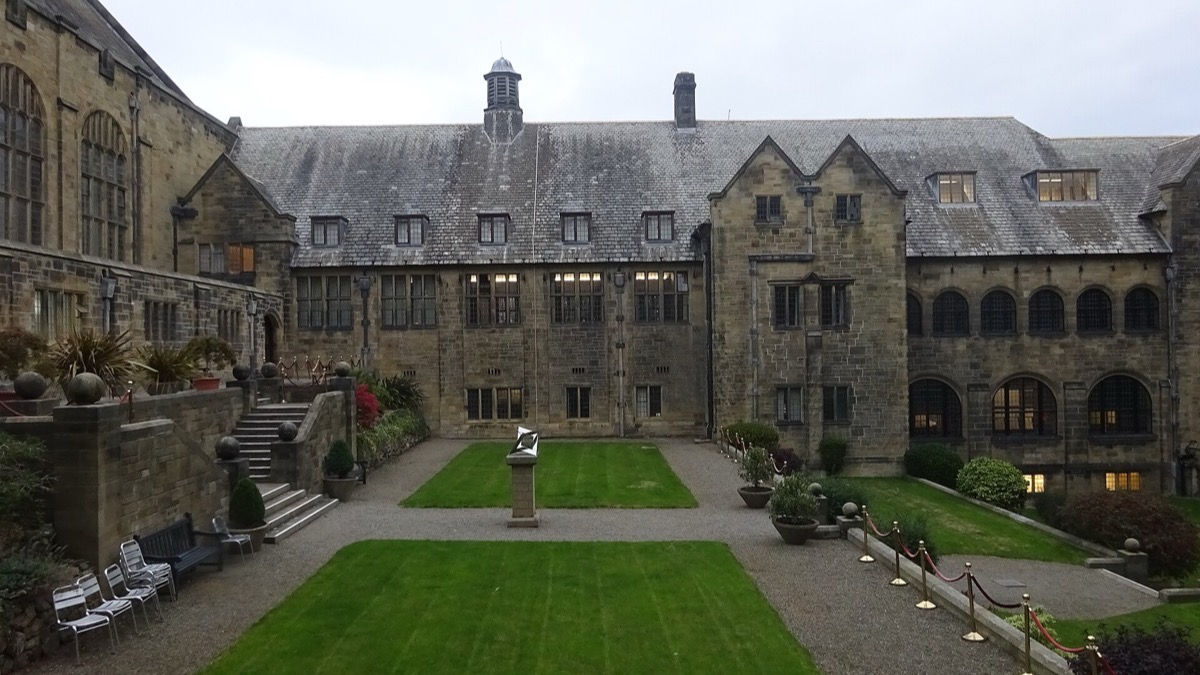
BA Linguistics and Psychology
About this course
Linguistics and psychology is a combination that addresses two fundamental questions about being human: how does language work, and how does the mind that uses it work? Linguistics examines the structure, function, and diversity of language, from phonology and syntax to semantics and pragmatics, asking how meaning is created and communicated and how languages vary and change. Psychology studies the processes of thought, perception, emotion, and behaviour, using experimental and observational methods to understand how the human mind operates. The two disciplines share a deep interest in language and cognition and illuminate each other in productive ways. At Bangor University, which has a particularly strong tradition in both linguistics and bilingualism research, this three-year full-time degree develops your skills and knowledge across both disciplines. The programme includes a foundation year, a sandwich year, a year abroad, and work placement activity, giving you a rich set of structural features that connect your learning to professional contexts and international experiences. Bangor's location in Wales, where Welsh and English coexist in daily life, makes the psycholinguistics and bilingualism dimensions of the programme particularly vivid, and the university's research strengths in these areas enrich the academic environment. Graduates of linguistics and psychology programmes go on to careers in speech and language therapy (with further training), psychology (with postgraduate study), education, human resources, UX research, communication consultancy, publishing, and research. The combination of linguistic and psychological understanding is particularly relevant to roles in communication, inclusion, and the development of language-based technologies. Many graduates pursue postgraduate study in linguistics, psychology, cognitive science, speech and language therapy, or applied linguistics, and some go on to doctoral research contributing to the science of language and mind.
Syllabus & Modules
Typical curriculumStudent Satisfaction
National Student Survey - 125 respondents (70% response rate)
Similarly Ranked Alternatives


What comes next? 🎓
Choosing the right university starts with choosing the right school. Explore transparent, data-driven school profiles powered by official DfE statistics.
Explore Schools on WhatSchool.ai →