MA Italian and Psychology
About this course
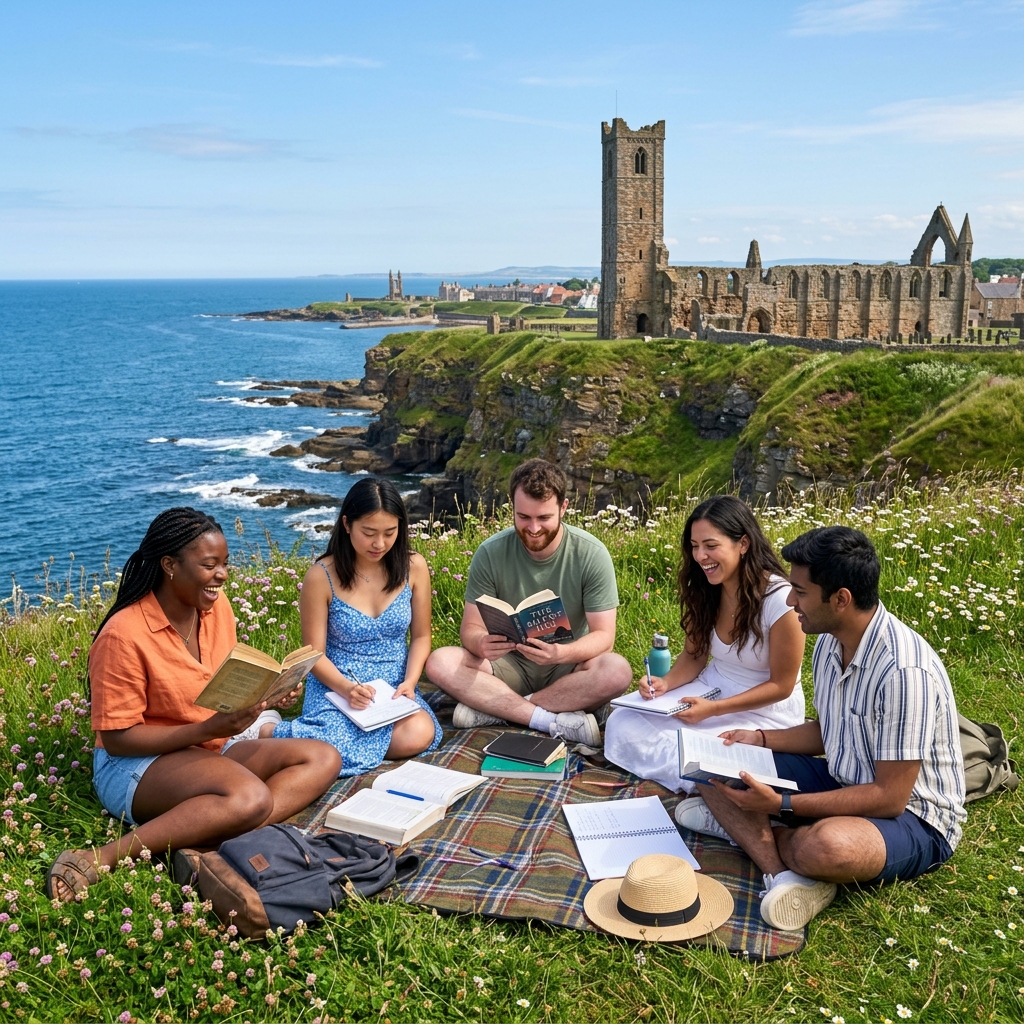
Italian and Psychology is a degree that brings together two disciplines that share, at their core, an interest in the interior life of human beings and how it is expressed. Italian is the language of one of Europe's richest cultural traditions, spanning literature, philosophy, cinema, design, and art, and developing high-level proficiency in it opens direct access to that tradition and to one of the world's most significant economies and cultures. Psychology is the scientific study of mind and behaviour, asking how people think, feel, and act, and why they differ in these respects. At the University of St Andrews, this four-year, full-time MA programme develops your Italian language skills to a high level of proficiency across speaking, listening, reading, and writing, while also giving you a rigorous grounding in psychological science. You will engage with specialist topics in Italian literature, culture, history, politics, and cinema, developing both linguistic competence and genuine cultural understanding. Alongside this, you will study the core areas of psychology, including biological, cognitive, social, and developmental psychology, building the evidence-based, analytical foundation that the discipline requires. The programme includes a year abroad, which you will typically spend in Italy, developing your language skills in an immersive environment and deepening your firsthand knowledge of Italian culture and society. The combination develops a distinctive set of capabilities: high-level bilingual communication, cultural competence, scientific literacy, and an ability to understand and engage with people in both analytical and empathic ways. Graduates go on to careers in education, translation, cultural diplomacy, international business, mental health support, research, and the charity sector. Some pursue further language or psychology training, and many continue to postgraduate study in Italian, linguistics, psychology, or related fields, using the dual specialism the degree provides to differentiate themselves in competitive areas.
Syllabus & Modules
Typical curriculumStudent Satisfaction
National Student Survey - 80 respondents (63% response rate)
Similarly Ranked Alternatives

What comes next? 🎓
Choosing the right university starts with choosing the right school. Explore transparent, data-driven school profiles powered by official DfE statistics.
Explore Schools on WhatSchool.ai →