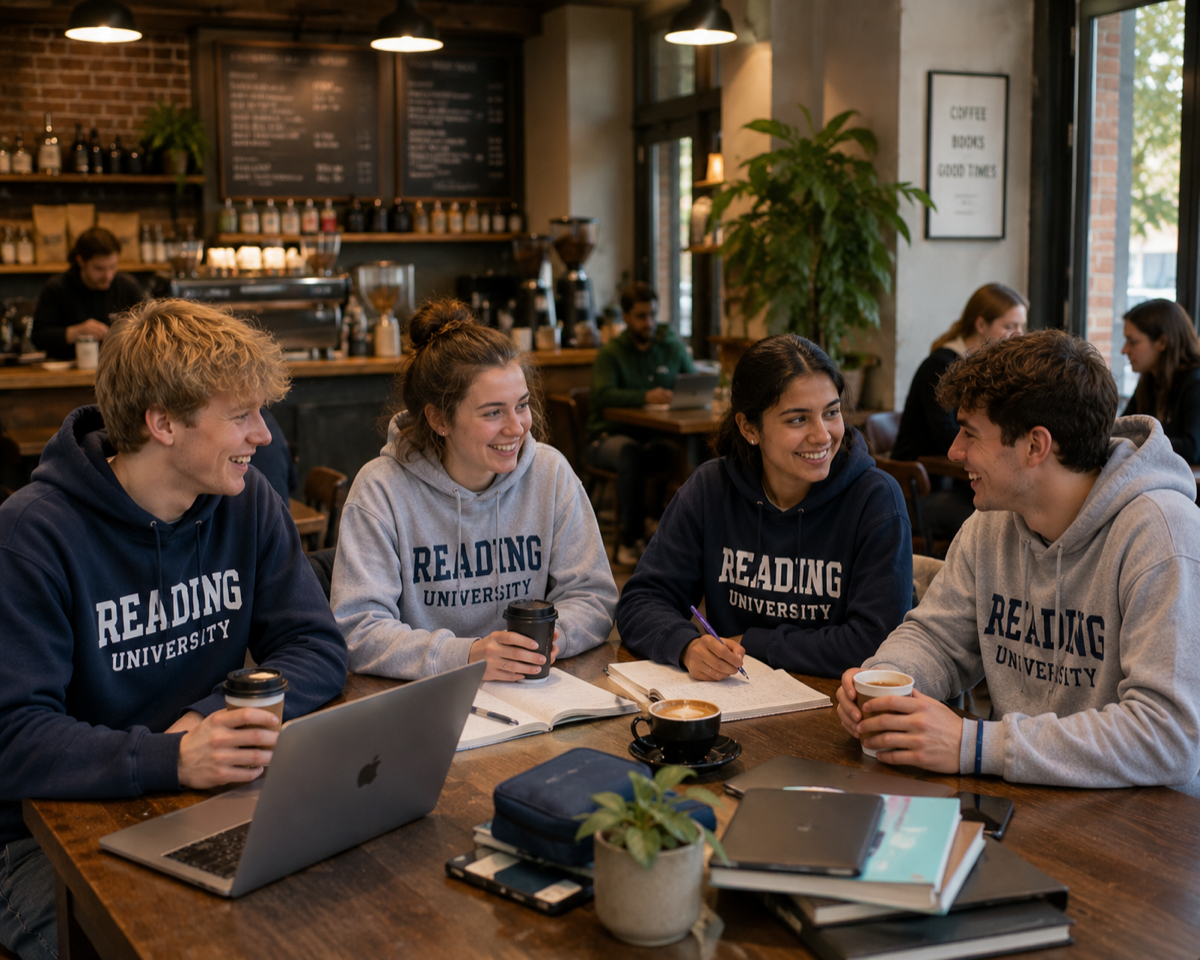
BA International Relations and Economics with Placement Year
About this course
International relations and economics is a degree built on the recognition that the most consequential questions in global affairs, from climate diplomacy and financial crises to trade disputes and development policy, require both political and economic understanding. International relations provides the frameworks for understanding how states, international organisations, and non-state actors interact and how the rules and institutions of international order are created and contested. Economics provides the analytical tools for understanding the material dimensions of those interactions: how trade, finance, development, and inequality shape the choices and constraints that political actors face. At Reading you will study this four-year programme, which includes a placement year, giving you professional experience in an international, governmental, or analytical context before you return to complete your final year. This structured exposure to real organisations and their use of political and economic analysis is a significant asset at graduation. Across the programme you will develop your understanding of international relations theory, foreign policy, global political economy, international organisations, and comparative politics, alongside economics covering micro and macroeconomic theory, econometrics, and international economics. Reading's location near London and its strong connections to government and business provide a rich environment for this kind of degree. Graduates of international relations and economics enter careers in international organisations, government departments, central banks, think-tanks, economic consultancy, journalism, financial services, international business, and NGOs. The placement year typically strengthens connections to specific employers and many graduates secure roles with their placement organisation. The combination of political and economic analysis is particularly valued in roles at the interface of policy and markets: trade policy, development finance, geopolitical risk analysis, and the work of organisations such as the IMF, World Bank, or WTO. Many graduates also continue to postgraduate study in international relations, economics, or public policy.
Syllabus & Modules
Typical curriculumStudent Satisfaction
National Student Survey - 125 respondents (61% response rate)
Similarly Ranked Alternatives


What comes next? 🎓
Choosing the right university starts with choosing the right school. Explore transparent, data-driven school profiles powered by official DfE statistics.
Explore Schools on WhatSchool.ai →