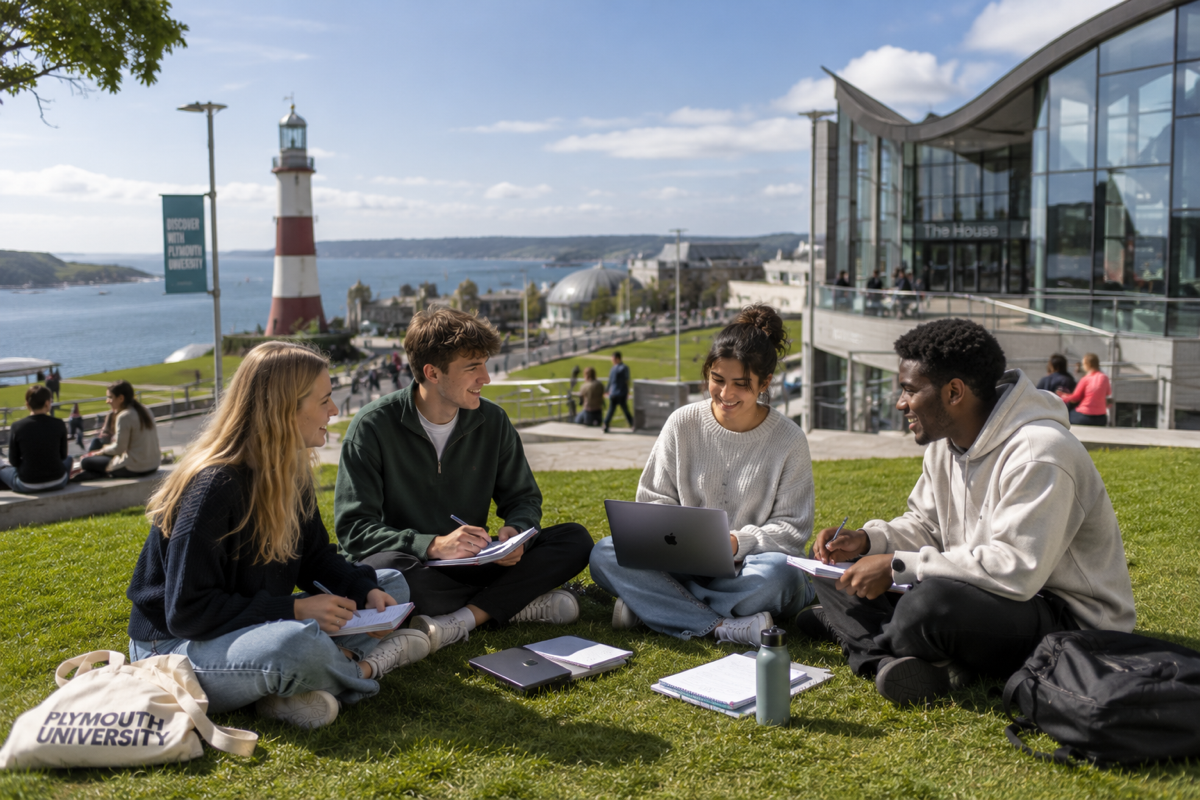
BA Interior Design and Styling
About this course
Interior design and styling is concerned with the creation of interior environments that are both functional and aesthetically compelling, addressing the way spaces are experienced by the people who live, work, or spend time in them. It involves developing expertise in colour, texture, materials, surface, and spatial composition, as the current description of this programme reflects, and applying that expertise across a wide range of contexts and scales. Unlike architecture, which is primarily concerned with the external form and structure of buildings, interior design focuses on what happens within and between walls, from the domestic and intimate to the grand and commercial. At Arts University Plymouth, this three-year full-time programme develops you as a well-rounded interiors specialist, ready to work on a range of projects, from super yachts to magazine photoshoots, as the current description vividly captures. This breadth is real: interior design and styling practice spans residential design, hotel and hospitality, retail and commercial interiors, exhibition and event styling, set design, and the photography and editorial contexts in which interiors are represented and communicated to audiences. You will develop skills in concept development, visualisation and technical drawing, material specification, colour theory, spatial planning, and the presentation of design ideas to clients and collaborators. The programme includes a sandwich year and work placement, giving you the opportunity to gain professional experience in an interior design studio, a styling agency, or another relevant environment. This practical experience is central to entering the interiors profession, where portfolio quality and professional connections matter alongside academic qualification. Graduates from interior design and styling programmes work as interior designers, interiors stylists, set designers, retail designers, exhibition designers, and in the broader field of spatial and experiential design. Freelance practice and employment in design studios, hotels, retail chains, events companies, and media and publishing are all common career directions. Postgraduate study in interior design or spatial design supports those who wish to develop specialist expertise.
Syllabus & Modules
Typical curriculumStudent Satisfaction
National Student Survey - 15 respondents (70% response rate)
Similarly Ranked Alternatives
What comes next? 🎓
Choosing the right university starts with choosing the right school. Explore transparent, data-driven school profiles powered by official DfE statistics.
Explore Schools on WhatSchool.ai →