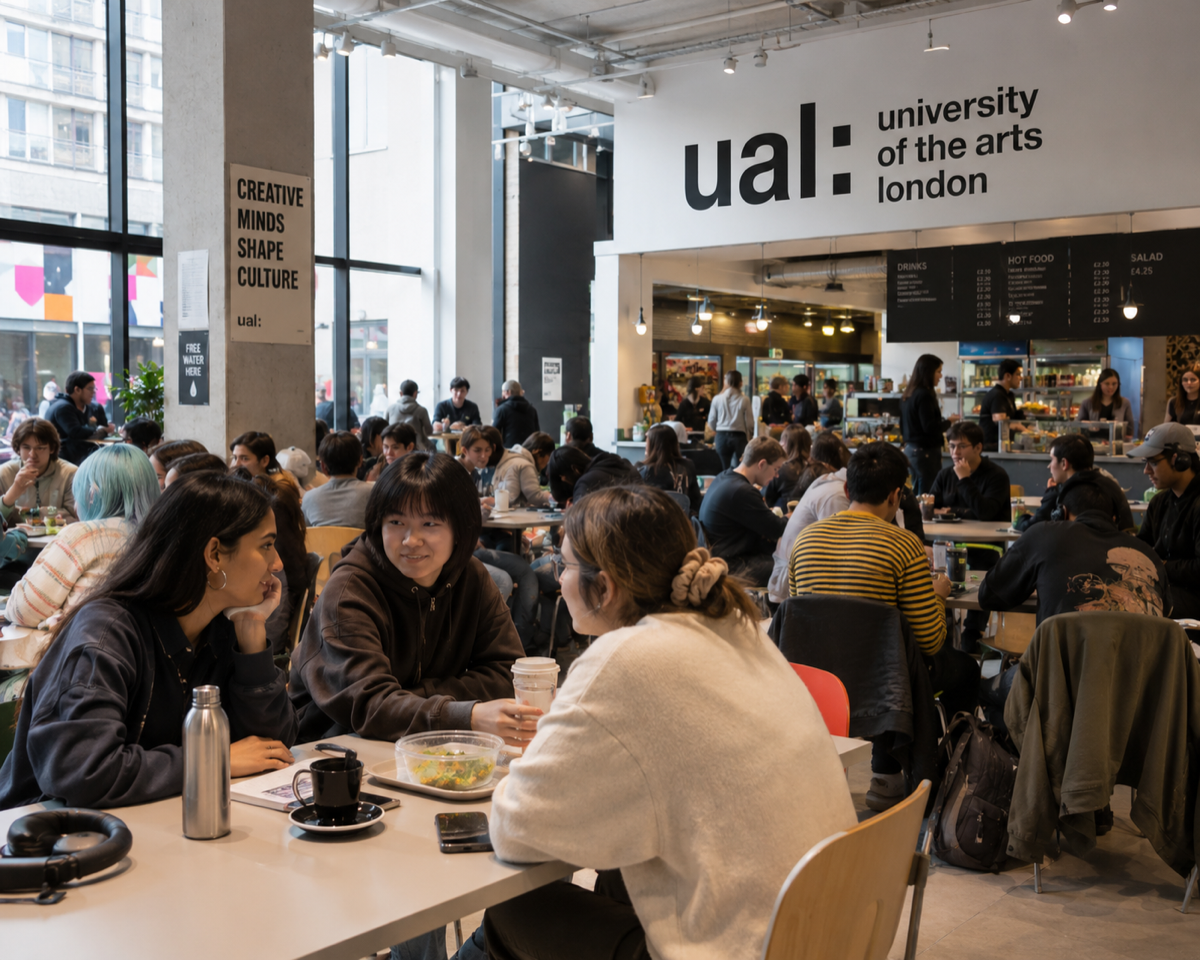
BA Interior and Spatial Design
About this course
Interior and spatial design is a discipline that addresses the designed quality of the spaces in which people live, work, learn, and move. It sits between architecture and product design, concerned with how interiors are articulated in three dimensions, how light, material, and spatial sequence shape experience, and how built environments can be made to work better for the people who inhabit them. The field spans residential, commercial, retail, and cultural interiors, and it engages with both the aesthetic and the technical dimensions of spatial design. At the University of the Arts London, this three-year full-time programme develops your capacity to design interior and spatial environments from concept through to realisation, working in a school with strong industry connections and a commitment to rigorous creative practice. You will develop skills in spatial thinking, technical drawing, model-making, materials knowledge, and design communication, alongside a critical understanding of the historical and contemporary contexts of interior design. The programme includes a sandwich placement year and embedded work placement opportunities, giving you professional experience in a real design context before you graduate. The typical entry tariff is 136 points. Graduates of interior and spatial design programmes work as interior designers, spatial designers, exhibition designers, retail environment designers, and set designers across a wide range of commercial and cultural contexts. The design thinking and visual communication skills developed at UAL are valued across the creative sector, and many graduates develop practice that spans interiors, product design, and installation. Some go on to postgraduate study in interior design, spatial design, or architecture, while others build freelance or studio-based practices from the foundation of the undergraduate degree.
Syllabus & Modules
Typical curriculumStudent Satisfaction
National Student Survey - 1910 respondents (80% response rate)
Similarly Ranked Alternatives




What comes next? 🎓
Choosing the right university starts with choosing the right school. Explore transparent, data-driven school profiles powered by official DfE statistics.
Explore Schools on WhatSchool.ai →