BA Human Geography and International Relations (With Foundation Year)
About this course
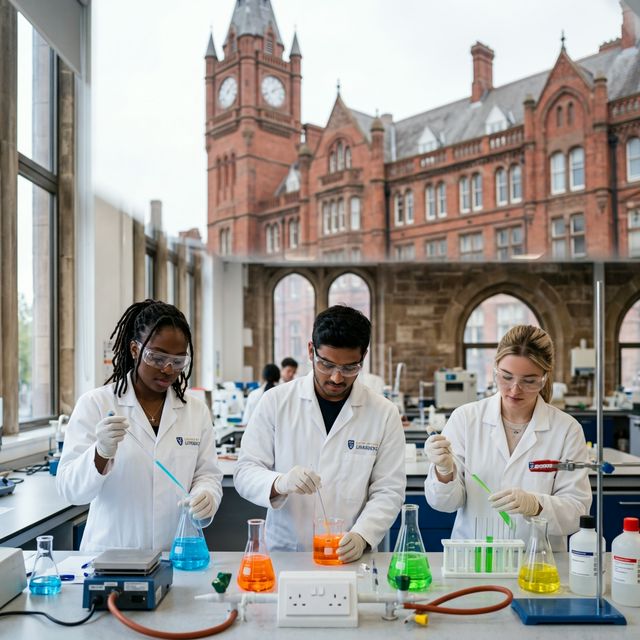
Human geography and international relations is a combination that develops an understanding of how the world is organised both physically and politically, asking how places are shaped by the people who inhabit them and how those places in turn are shaped by global forces. Human geography examines the relationships between people, places, and environments, exploring how these vary across locations and influence human activities and interactions with the natural world, as the course itself describes. International relations extends that spatial awareness into the arena of global politics, examining how states, institutions, and non-state actors interact, how conflicts arise and are resolved, and how international norms and governance structures shape the world we live in. Liverpool Hope University offers this four-year full-time degree with a foundation year and a typical entry tariff of 88 points. The programme also includes a sandwich year, a year abroad option, and work placement opportunities, giving you substantial professional exposure and an international academic experience before you graduate. You will study human geography across themes including urbanisation, tourism, natural hazards, environmental management, and small island states, alongside international relations theory, security studies, global governance, and foreign policy. The combination of social science and humanities perspectives gives the degree unusual breadth and the ability to approach complex global challenges from multiple angles. Graduates work in international organisations, government and the civil service, NGOs, urban and regional planning, environmental agencies, journalism, development organisations, and research institutions. The combination of geographical analysis and international relations training is particularly valued in roles that involve working across national or cultural boundaries, and in organisations dealing with development, climate, migration, or conflict. Postgraduate study in geography, international relations, development, or environmental management is a common next step.
Syllabus & Modules
Typical curriculumStudent Satisfaction
National Student Survey - 30 respondents (79% response rate)
Similarly Ranked Alternatives


What comes next? 🎓
Choosing the right university starts with choosing the right school. Explore transparent, data-driven school profiles powered by official DfE statistics.
Explore Schools on WhatSchool.ai →