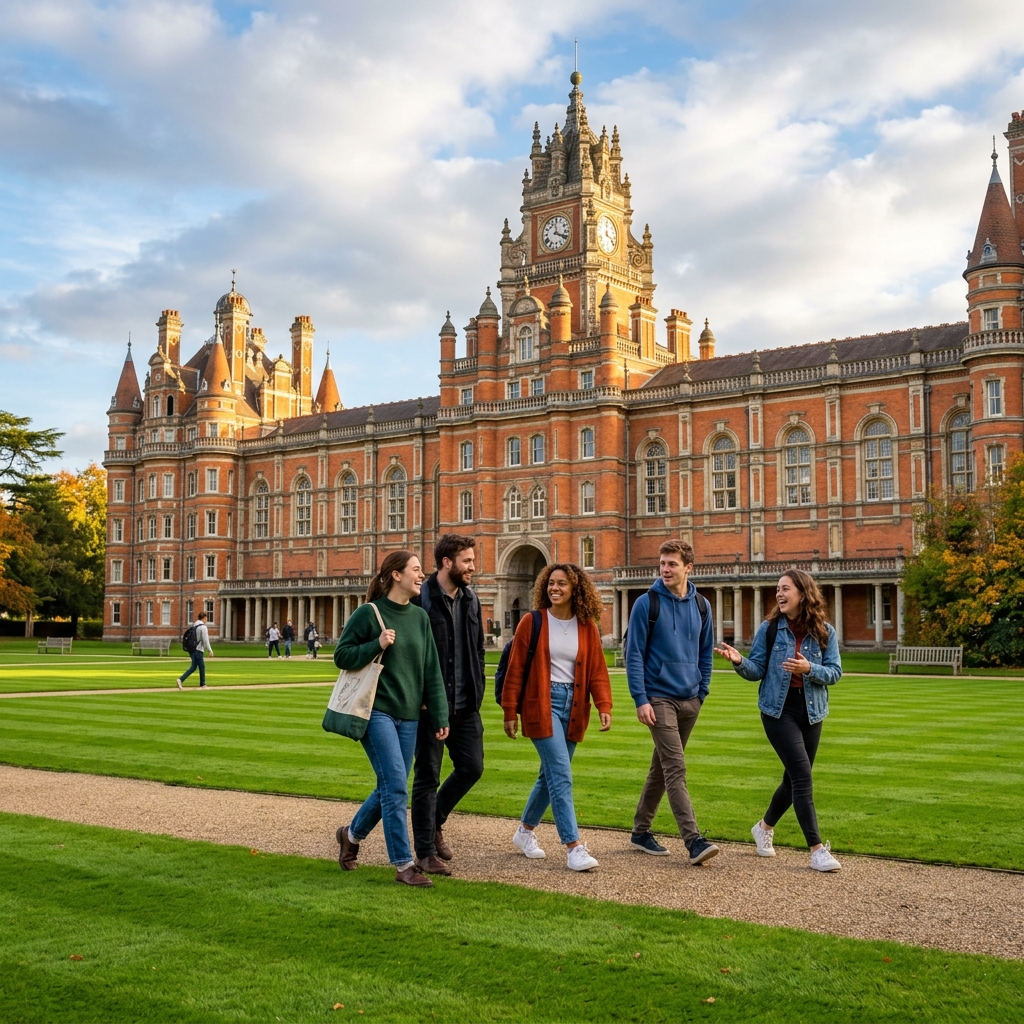
BA History, Politics and International Relations
About this course
History, politics and international relations is a combination that provides three mutually reinforcing perspectives on how the world works and how it has come to be as it is. History develops the habit of situating events in their context, tracing causes over time and understanding how contingency shapes outcomes. Politics analyses how power is organised, how institutions function and how ideological frameworks shape collective decisions. International relations extends that analysis to the interactions between states and the broader forces, from globalisation and nationalism to climate and conflict, that shape the global order. Studied together at Royal Holloway, this three-year full-time programme gives you a genuinely rich intellectual formation. You will explore the human experience across periods and places, satisfying curiosity about the past while building the disciplined analysis that historical and social science inquiry requires. The politics and international relations components give you conceptual and methodological tools to understand political phenomena at both the domestic and global level, developing the kind of informed, critical perspective that complex contemporary problems demand. A placement year and a year abroad are built into the programme, and work placement opportunities are integrated throughout, so that your professional formation and international experience develop alongside your academic studies. Graduates of this programme move into an exceptionally wide range of careers. The civil service, international organisations, NGOs, journalism, law, think-tanks, the charitable sector and the private sector all recruit graduates who can think historically and politically about complex situations. The combination of historical breadth, political analytical skills and awareness of international relations is particularly valued in roles that involve navigating different national contexts and making sense of rapidly changing situations. Many graduates go on to postgraduate study in history, international relations, politics or law, where the foundations of the undergraduate degree support more advanced and specialised work.
Syllabus & Modules
Typical curriculumStudent Satisfaction
National Student Survey - 25 respondents (89% response rate)
Similarly Ranked Alternatives

What comes next? 🎓
Choosing the right university starts with choosing the right school. Explore transparent, data-driven school profiles powered by official DfE statistics.
Explore Schools on WhatSchool.ai →