BA History of Art
About this course
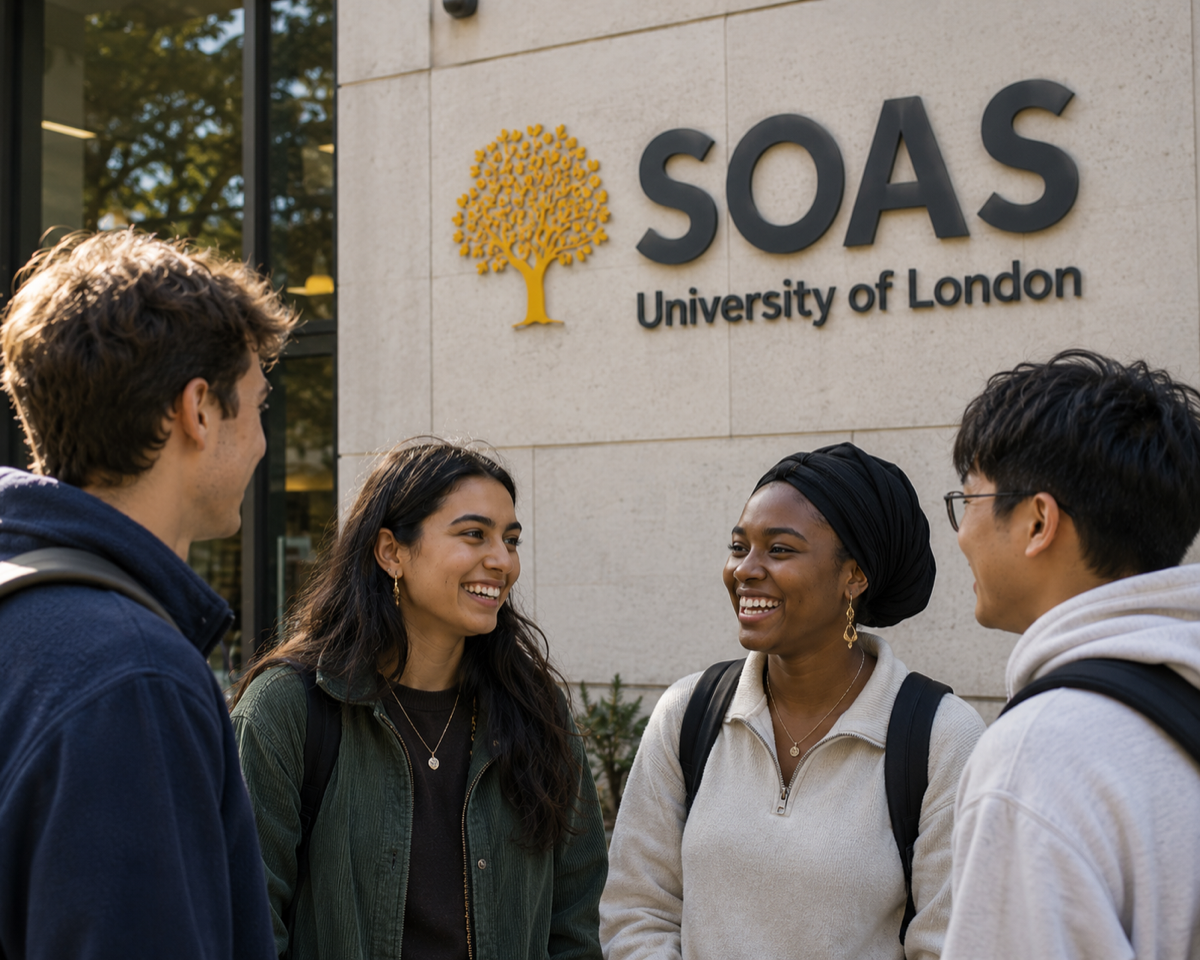
History of art at SOAS has a character that is genuinely unlike the discipline as it is typically taught elsewhere in the UK. Most history of art programmes focus predominantly on the Western European canon, from ancient Greece through the Renaissance to modernism. SOAS turns its attention to the art and visual cultures of Asia, Africa, and the Middle East, bringing the same scholarly rigour to the artistic traditions of China, Japan, India, the Islamic world, and sub-Saharan Africa that other institutions devote to Leonardo or Picasso. This is not simply a matter of widening the syllabus: it involves genuinely different art historical methods, different relationships between art and religion, politics, and patronage, and different ways of understanding what art is and what it does. This three-year programme at SOAS includes a foundation year, which provides a grounding in the study of art history and in the visual and cultural traditions you will engage with before the main degree begins. This makes the programme accessible to students from a range of educational backgrounds while ensuring that everyone arrives at the degree itself with the skills and knowledge needed to engage fully. Throughout the programme, you will develop skills in visual analysis, object-based research, archival work, and critical writing, and you will engage with the theoretical frameworks through which art historians interpret visual culture. SOAS's location in London, close to the British Museum, the Victoria and Albert Museum, and many of the world's great collections of Asian and African art, gives the programme an exceptional practical context, and the university's broader research community in area studies enriches the intellectual environment. Graduates of history of art programmes work in museums and galleries, art dealerships, auction houses, cultural diplomacy, journalism, publishing, and education. The SOAS version of the degree opens up particular opportunities in institutions with significant Asian, African, or Middle Eastern collections and in international cultural organisations.
Syllabus & Modules
Typical curriculumStudent Satisfaction
National Student Survey - 15 respondents (64% response rate)
Similarly Ranked Alternatives




What comes next? 🎓
Choosing the right university starts with choosing the right school. Explore transparent, data-driven school profiles powered by official DfE statistics.
Explore Schools on WhatSchool.ai →