BASc History and Global Sustainable Development
About this course
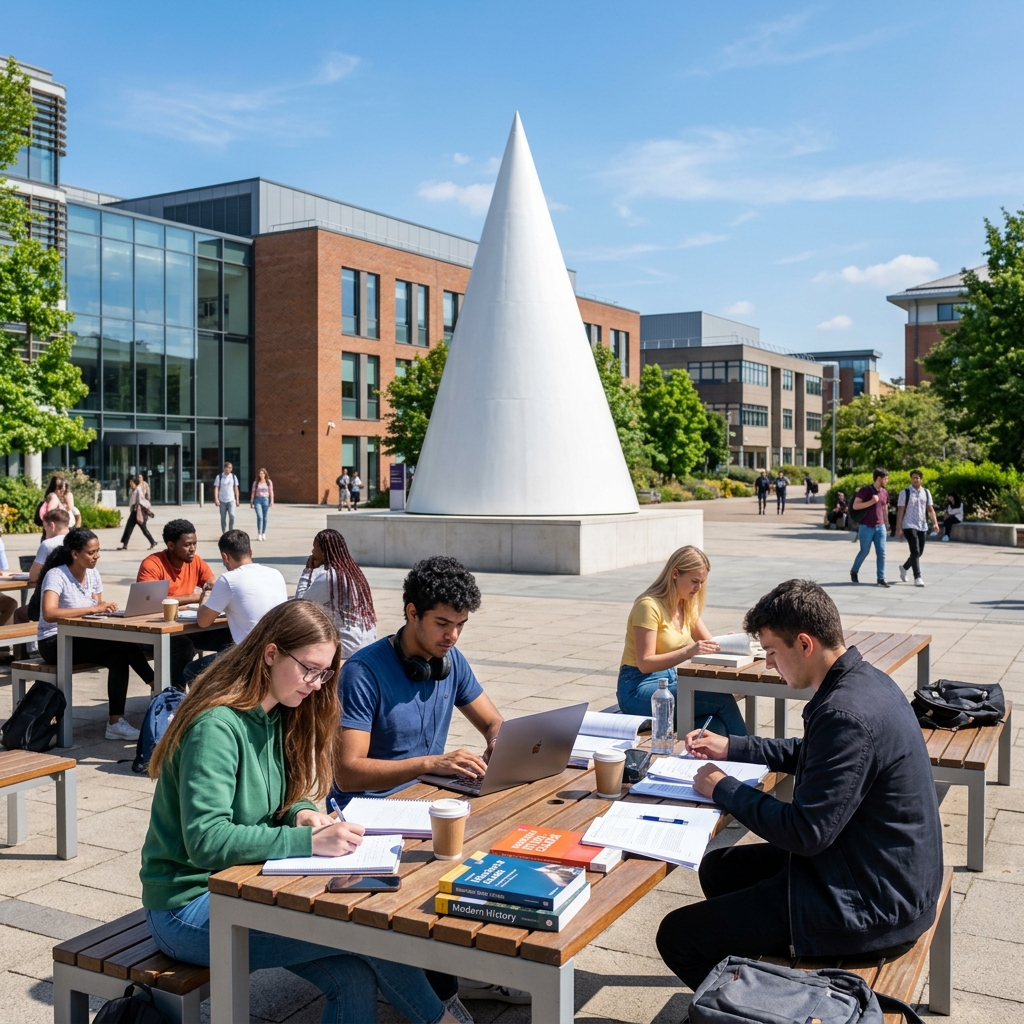
Why is wealth distributed unequally throughout the world? How has the movement of people, resources, capital, and ideas shaped the global challenges of today? What role did colonial empires play in this? To study History and Global Sustainable Development at Warwick is to ask these questions seriously and to pursue them with the full weight of historical evidence and critical theory behind you. This three-year full-time programme brings together the discipline of history with the frameworks of sustainable development, exploring how the past shapes the environmental, social, and economic challenges the world faces now. You will develop the historian's core skills of archival research, critical analysis of sources, and the construction of well-evidenced arguments, while also engaging with contemporary debates about climate justice, global inequality, poverty, and the governance of shared resources. The combination encourages you to think across long timescales and to understand current development challenges not as neutral technical problems but as the product of specific historical relationships and power structures. The programme includes a sandwich year placement and work placement opportunities, giving you time in a professional environment before you graduate, as well as a year abroad that allows you to study global development from a different national context. Graduates from this combination go on to careers in international development, policy analysis, NGOs, journalism, human rights organisations, the civil service, and education. The historical and analytical skills you develop are highly transferable, and the global focus of the degree is increasingly valued by employers working on sustainability and social justice. Postgraduate study in development studies, history, international relations, or global governance is a common next step.
Syllabus & Modules
Typical curriculumStudent Satisfaction
National Student Survey - 230 respondents (78% response rate)
Similarly Ranked Alternatives

What comes next? 🎓
Choosing the right university starts with choosing the right school. Explore transparent, data-driven school profiles powered by official DfE statistics.
Explore Schools on WhatSchool.ai →