High Drop-out Rate Alert
27% of students drop out or transfer from this specific course. Consider asking why on an open day.
BA Graphic Design
About this course
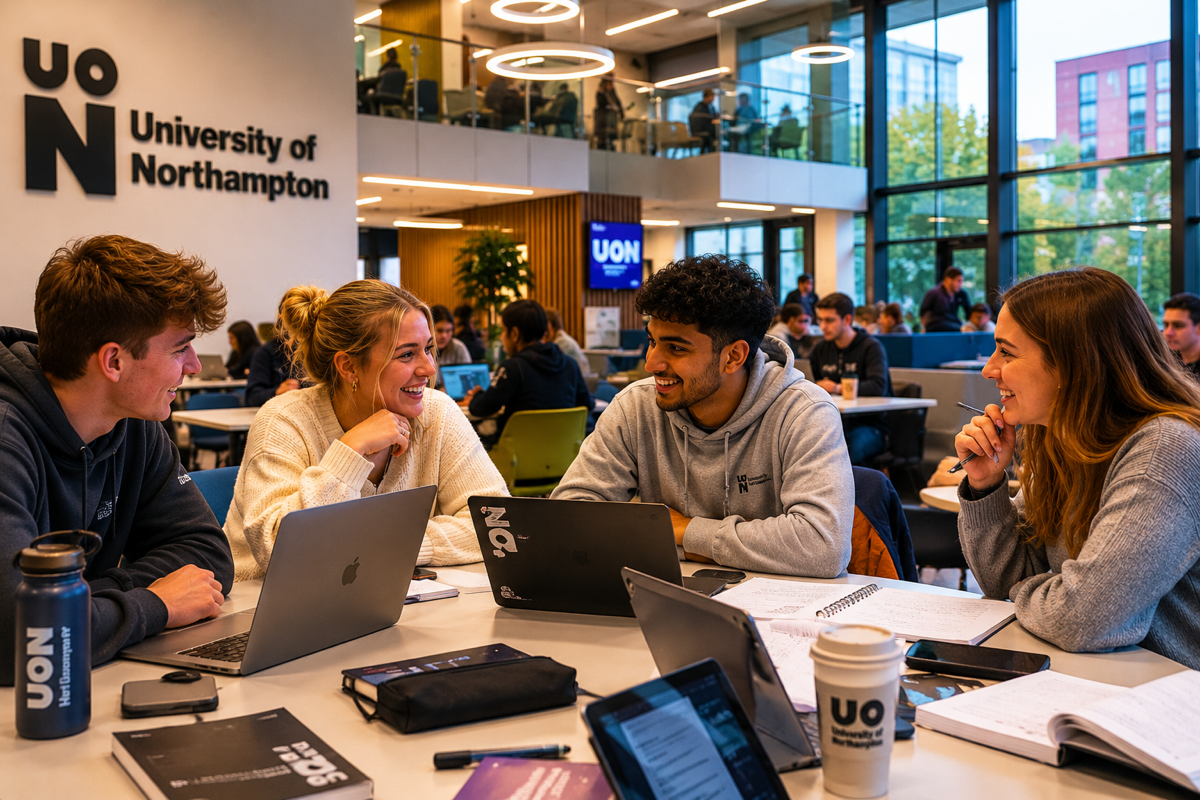
Graphic design is the practice of communicating ideas visually, combining typography, image, colour, layout, and form to create artefacts that inform, persuade, and engage. At its best, it is a discipline that takes complex ideas seriously and finds ways to make them accessible, memorable, and beautiful. It spans a remarkable range of contexts, from book covers and identity systems to digital interfaces, environmental signage, motion graphics, and brand communication, and it sits at the intersection of commercial and cultural life. Studying it at degree level means developing both practical craft and a critical intelligence about the role of visual communication in society. At the University of Northampton, this three-year full-time programme includes a foundation year, which provides a preparatory stage for students entering from a range of educational backgrounds and gives you the opportunity to build foundational skills in drawing, colour theory, typography, and digital tools before entering the degree proper. Throughout the programme you will develop proficiency with the software and production methods that professional designers use, while also building the conceptual and research skills that separate a strong designer from a technically competent one. Studio practice, critique sessions, and live briefs are all central to how design is taught, reflecting the collaborative and client-facing nature of professional practice. You will learn to develop and present design concepts, to receive and incorporate critical feedback, and to work within constraints of time, format, and audience that real commissions impose. The ability to articulate why design decisions work, not just to execute them, is a skill the programme develops carefully, because it is essential both in professional practice and in further study. Graduates in graphic design work as designers in studios, agencies, in-house creative teams, and as freelancers across a wide range of sectors. Brand design, editorial design, digital and screen design, packaging, and motion graphics are all areas where design graduates build careers. Some graduates move into creative direction, art direction, or design management as their careers develop. Postgraduate study in graphic design, communication design, or a specialist area such as interaction design or design research is another route for those who want to extend their practice further.
Syllabus & Modules
Typical curriculumStudent Satisfaction
National Student Survey - 55 respondents (82% response rate)
Similarly Ranked Alternatives

What comes next? 🎓
Choosing the right university starts with choosing the right school. Explore transparent, data-driven school profiles powered by official DfE statistics.
Explore Schools on WhatSchool.ai →