BA Global Development with Economics with a Year Abroad
About this course
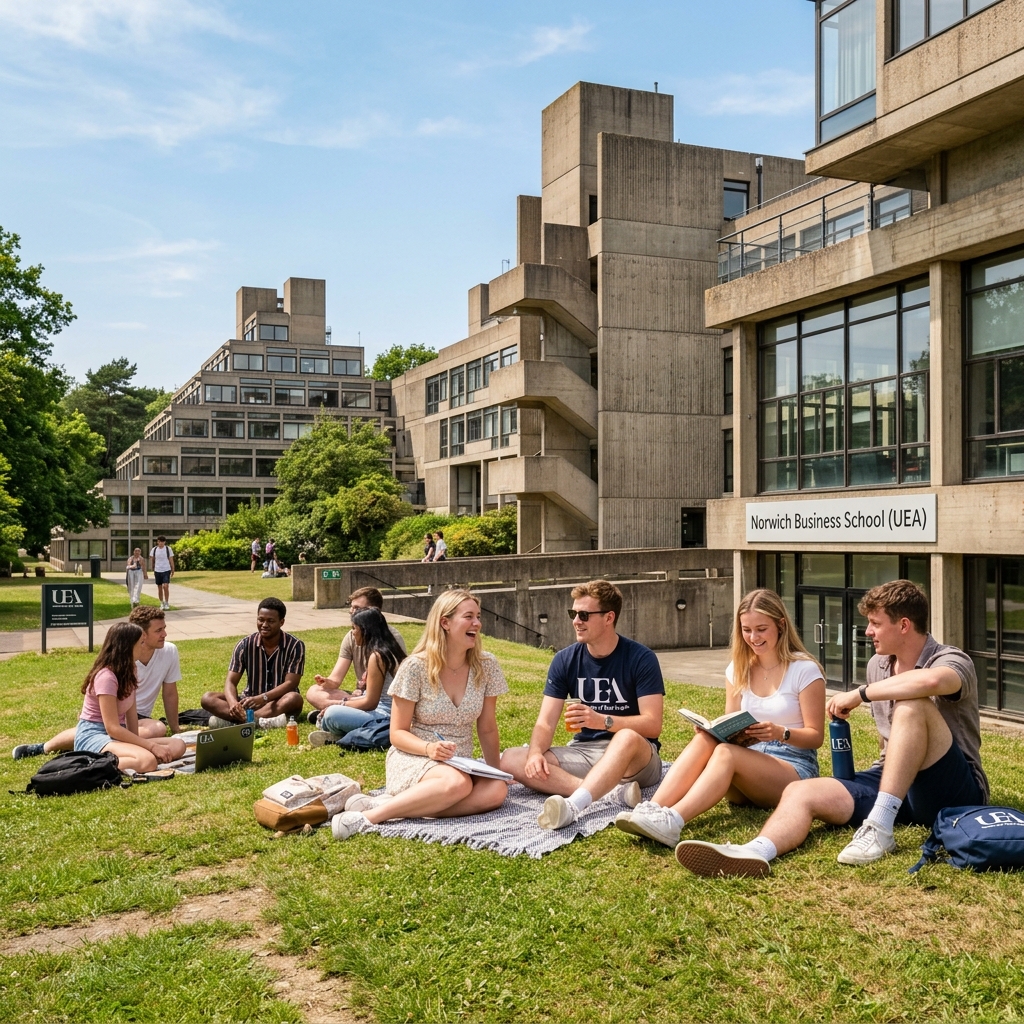
Global development and economics brings together two disciplines that illuminate, from different angles, the most pressing questions of our time: why some countries remain poor while others are wealthy, how economic growth can be made sustainable and equitable, and what the roles of governments, international organisations, and civil society are in shaping the fates of billions of people. Development studies approaches these questions through a multidisciplinary lens, drawing on sociology, political science, history, and anthropology alongside economics. Economics provides the quantitative tools and analytical frameworks needed to model and evaluate the forces that drive development and inequality. At the University of East Anglia, this four-year programme weaves together development studies and economic analysis in a genuinely integrated way. You will study economic theory and quantitative methods alongside the social, political, and historical dimensions of development, learning to apply economic reasoning to real-world problems in low- and middle-income countries and in the international system as a whole. You will engage with topics such as poverty and inequality, trade and aid, governance and institutions, environmental sustainability, and global health. UEA has a long-standing reputation in development studies, and the programme reflects both the depth of that tradition and the rigour of economics as a discipline. The four-year structure allows for a year abroad, giving you direct experience of a different country or academic environment that deepens your understanding of global issues in ways that no classroom can replicate. Graduates go on to careers in international development organisations, the foreign service, government, international finance, research, journalism, and NGOs working on poverty, environment, and governance. The combination of analytical economics skills and development expertise is particularly valued in organisations that need both rigorous quantitative analysis and contextual understanding. Further postgraduate study in development economics, public policy, or international relations is also a natural route.
Syllabus & Modules
Typical curriculumStudent Satisfaction
National Student Survey - 65 respondents (70% response rate)
Similarly Ranked Alternatives


What comes next? 🎓
Choosing the right university starts with choosing the right school. Explore transparent, data-driven school profiles powered by official DfE statistics.
Explore Schools on WhatSchool.ai →