High Drop-out Rate Alert
20% of students drop out or transfer from this specific course. Consider asking why on an open day.
BA Global Development
About this course
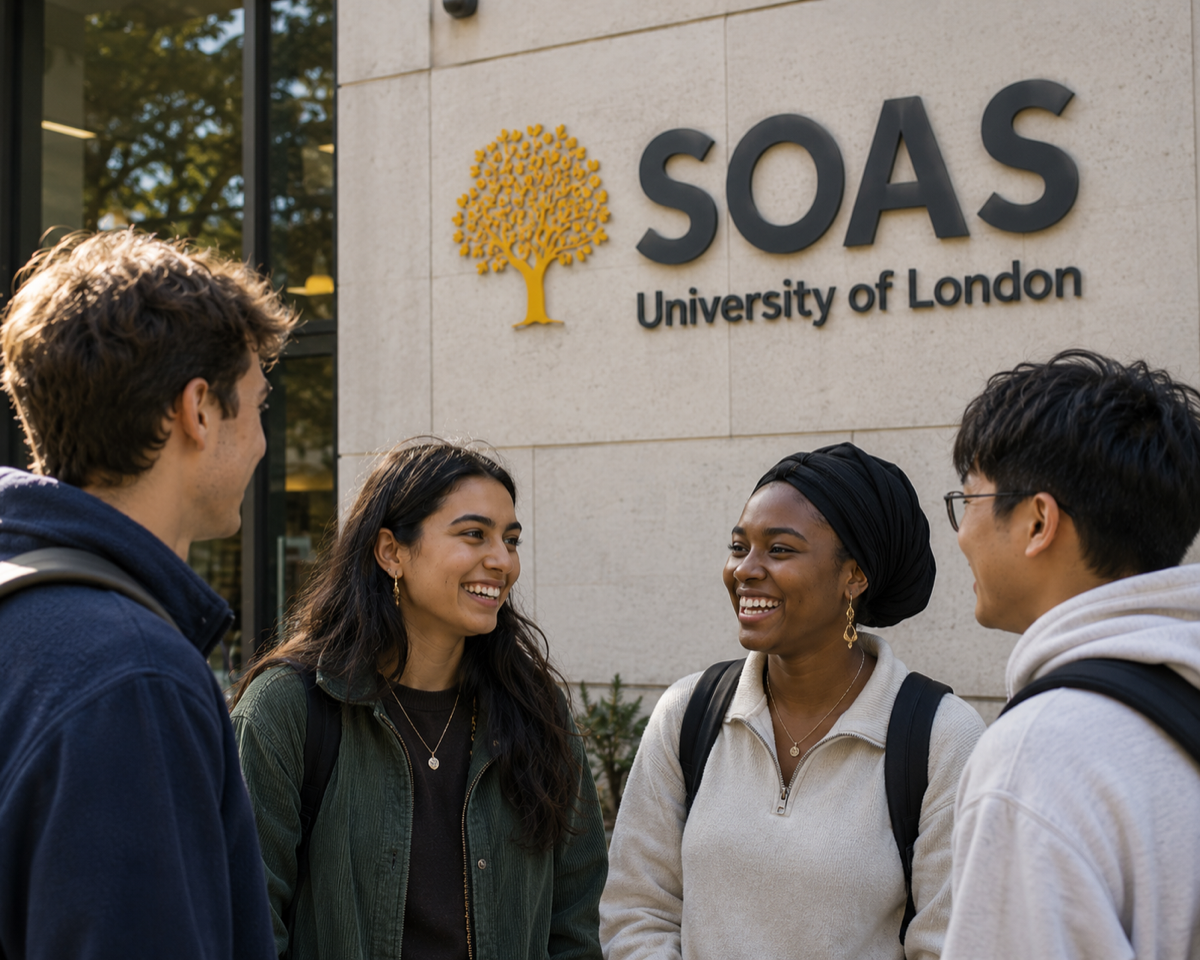
Global development is the study of inequality, poverty, and the processes of change in societies across the world. It asks how some parts of the world have become wealthy while others remain poor, how colonial histories continue to shape present conditions, how international institutions and aid flows affect local communities, and what genuine development actually means in practice. The subject draws on economics, political science, anthropology, history, and geography, and it takes seriously both quantitative evidence and the lived experiences of people in different parts of the world. At SOAS, which has a particular depth of expertise in Africa, Asia, the Middle East, and other regions of the Global South, this programme offers an unusually grounded and critical approach to these questions. You will engage with perspectives and scholarship that are not always prominent in mainstream development economics, examining the assumptions embedded in development policy and the politics of the institutions that shape it. A foundation year is part of this programme, providing a supported entry point that builds the academic skills and contextual knowledge needed to engage fully with degree-level study. You will study the key theoretical frameworks in development, from modernisation theory and dependency theory to more recent debates about rights-based approaches, environmental sustainability, and the politics of humanitarian intervention. Research methods, both quantitative and qualitative, are part of the curriculum, preparing you to evaluate evidence critically and to undertake your own inquiry into the issues that interest you most. The breadth of disciplinary approaches at SOAS means you will encounter development from multiple angles throughout your studies. Graduates from global development programmes work in international NGOs, government departments, the United Nations system, development banks, research institutes, journalism, and advocacy organisations. Many go on to postgraduate study in development studies, international relations, economics, or social anthropology, building towards careers in policy, research, or senior roles in international development.
Syllabus & Modules
Typical curriculumStudent Satisfaction
National Student Survey - 15 respondents (67% response rate)
Similarly Ranked Alternatives
What comes next? 🎓
Choosing the right university starts with choosing the right school. Explore transparent, data-driven school profiles powered by official DfE statistics.
Explore Schools on WhatSchool.ai →